
Thinking about adding onto your home, but unsure what that really means for your family, your property, and your day-to-day life?
A home addition isn’t just a bigger remodel. It’s a larger commitment that affects your lot, your structure, your systems, and how you live in your home for months at a time. Between zoning rules, foundations, mechanical systems, permits, and inspections, there’s a lot happening behind the scenes; often more than homeowners expect going in.
At Custom Built Design & Remodeling, we’ve helped Michigan families plan and build home additions for decades. We know the questions that come up, the surprises that can derail projects, and the planning steps that make the difference between a stressful experience and a smooth one.
In this guide, we’ll walk you through what to expect during a home addition project, so you can move forward with clarity, confidence, and realistic expectations:
- A More In-Depth Planning Phase Than Other Remodels
- Evaluating Foundations, Basements, and Existing Conditions
- Mechanical Planning Is a Big Decision Point
- Permits, Approvals, and Longer Timelines
- Living in Your Home During Construction
- Inspections and Mid-Project Adjustments
- Discovery Items and Change Orders
- Clear Communication Throughout the Build
- The Final Walkthrough and Enjoying Your New Space
1. A More In-Depth Planning Phase Than Other Remodels

Home additions require significantly more planning than interior remodels because they impact your home structurally, mechanically, and visually, inside and out.
Unlike a kitchen remodel, where you’re working within existing walls, an addition changes your home’s footprint, rooflines, foundation, exterior finishes, and sometimes even drainage patterns on your property. That complexity demands careful preparation.
Before design even begins, your team needs to fully understand:
- How your family plans to use the space now and 10-15 years from now
- How the addition will connect structurally to your existing home
- Whether your lot allows for expansion based on setbacks and zoning
- How rooflines will tie together without creating future leak risks
- How exterior finishes will blend so the addition doesn’t look “tacked on”
During planning, you can expect:
- Detailed conversations about square footage needs, ceiling heights, storage, traffic flow, and long-term flexibility
- Review of property lines, setbacks, easements, lot coverage restrictions, and zoning ordinances
- Site surveys and elevation reviews that aren’t required for interior remodels
- Evaluation of your current roof structure, foundation depth, and framing system
- Early discussions about siding type, brick or stone matching, roofing materials, window styles, and trim profiles
This extended planning phase protects you from mid-project redesigns and ensures the addition feels like it was always part of your home, not an afterthought.
2. Evaluating Foundations, Basements, and Existing Conditions
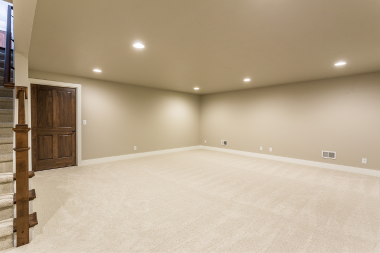
Additions almost always involve tying new structural systems into old ones. That’s where careful evaluation becomes critical.
Even if you’re not adding a basement, the condition of your existing foundation matters. Homes built decades ago may not meet current code requirements, and soil conditions vary widely throughout Michigan.
This evaluation often includes:
- Inspecting basement walls for cracking, shifting, or moisture intrusion
- Confirming footing depth (especially important in frost-prone climates)
- Assessing drainage and grading around the home
- Planning how a new basement, crawl space, or slab will connect to the existing structure
- Identifying structural limitations before engineering plans are finalized
- Checking for outdated framing methods that may need reinforcement
For example:
- If your current basement walls show minor movement, they may need reinforcement before tying in new loads.
- If your existing footings are shallow, deeper footings may be required for the addition.
- If drainage slopes toward your home, that must be corrected before excavation begins.
Skipping this step often leads to expensive discoveries once excavation or demolition begins.
3. Mechanical Planning Is a Big Decision Point
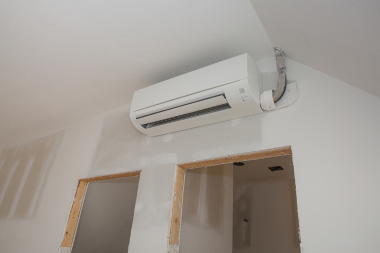
Heating, cooling, and ventilation are often the biggest decision points in a home addition.
In many cases, your existing HVAC system was sized specifically for your current square footage. Adding 400–800+ square feet may overload it.
In our experience, homeowners are often surprised to learn that simply “adding a vent” isn’t always the right solution.
Here are common heating and cooling options for additions:
Option 1: Extending the Existing HVAC System
- Only viable if your current furnace and AC have sufficient capacity
- May require larger duct runs
- Can create an airflow imbalance in older homes
Option 2: Installing a Dedicated Mini-Split System
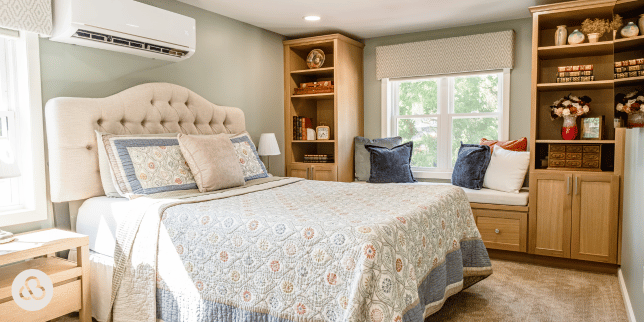
- Ideal for bonus rooms, offices, or in-law suites
- Offers zoned temperature control
- Energy efficient and flexible
- No need to extend major ductwork
Option 3: Adding a Second Furnace or HVAC Unit
- Common for larger additions
- Maintains comfort throughout the entire home
- Prevents overworking the original system
Option 4: Radiant Floor Heating
- Popular for main-floor additions or bathrooms
- Provides consistent warmth during Michigan winters
- Can be paired with boiler systems
Option 5: Electric Baseboard or Supplemental Heat
- Sometimes used in smaller additions
- Lower upfront cost but higher operating costs
Beyond heating and cooling, mechanical planning includes:
- Determining electrical panel capacity
- Planning new plumbing lines
- Designing proper ventilation
- Ensuring insulation meets modern energy standards
Mechanical decisions made early prevent comfort problems later.
4. Permits, Approvals, and Longer Timelines

Additions require multiple layers of approval before construction begins.
Unlike interior remodels, additions impact property lines, lot coverage, and structural integrity, which means municipalities review them closely.
You should expect:
- Architectural plan submission to your city or township
- Zoning compliance verification
- Engineering approvals when required
- Soil or site reviews, depending on location
- Formal building permit issuance
In Michigan, permit approval timelines can vary by township, season, and project scope. Some approvals take weeks, others several months.
Sequencing is critical. Foundation inspections must happen before concrete is poured. Framing inspections occur before insulation and drywall are installed. Each stage must be signed off on before the next begins.
While this extends the timeline, it protects you from legal or resale issues down the road.
5. Living in Your Home During Construction
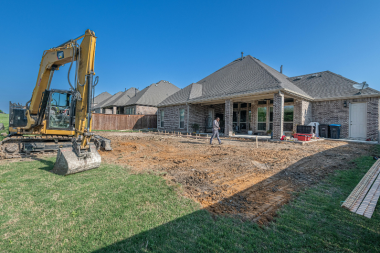
One advantage of additions is that early phases happen outside your existing living space.
Excavation, foundation work, framing, roofing, and siding typically occur externally. However, disruption still happens.
You may experience:
- Excavators and heavy machinery in your yard
- Temporary fencing or safety barriers
- Loud framing and roofing work
- Limited yard access
- Mud or dust during excavation
- Multiple trades rotating through the job site
When the addition is tied into your existing home, the temporary disruption increases. You may temporarily lose:
- Access to adjacent rooms
- Part of a kitchen wall
- A dining area
- HVAC access
For a smoother experience, we recommend planning ahead for:
- Work-from-home schedules
- School pickup routines
- Pet safety
- Material deliveries
6. Inspections and Mid-Project Adjustments
PC: Redfin
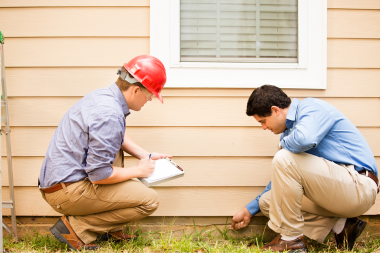
Home additions move through defined construction stages, and each major stage requires inspection before work can continue. These inspections aren’t a formality; they are checkpoints that protect your investment and ensure your addition is safe, structurally sound, and code-compliant.
Because additions impact structural systems, foundations, and life-safety components, they typically involve more inspections than interior remodels.
Common inspection stages include:
Foundation and Footings
Before concrete is poured, inspectors verify:
- Footing depth (critical in Michigan’s freeze-thaw climate)
- Proper reinforcement
- Soil conditions and drainage compliance
Rough Framing
Once the structure is framed, inspectors check:
- Load-bearing connections
- Beam and header sizing
- Proper fastening and structural hardware
- Roof tie-in connections
Rough Electrical and Plumbing
Before insulation and drywall:
- Wiring must meet current code
- Panel capacity must be adequate
- Plumbing connections must be properly vented and sloped
- Safety features like GFCIs must be placed correctly
Insulation and Energy Compliance
Inspectors confirm:
- R-values meet the energy code
- Air sealing is complete
- Vapor barriers are properly installed
Final Inspection
Before completion:
- Smoke and carbon monoxide detectors are verified
- Railings and stair heights are checked
- Exterior grading and drainage are reviewed
- HVAC systems are tested for safe operation
Occasionally, inspectors request adjustments, such as additional framing connectors, upgraded hardware, or minor layout tweaks for safety compliance.
While that can feel frustrating, these changes protect your home long term and ensure there are no resale or insurance complications later.
A well-organized remodeling team anticipates inspection requirements and builds with code compliance in mind from the start.
7. Discovery Items and Change Orders

Even with careful planning and pre-construction evaluation, additions sometimes uncover hidden conditions once walls are opened or structures are tied together, especially in older homes.
This isn’t a sign of poor planning. It’s the reality of working with structures that may be 30, 50, or even 100 years old.
Common discovery items include:
- Hidden water damage behind siding or roofing
- Outdated or improperly spliced wiring
- Undersized structural headers
- Rotted rim joists
- Uninsulated wall cavities
- Settled foundations not visible from the interior
- Siding or roofing materials that are discontinued and cannot be matched
For example:
- If roofing needs replacement to properly tie in the addition, addressing it during construction prevents future leak issues.
- If existing siding can’t be matched, homeowners may choose to update a larger exterior section for a cohesive appearance.
- If framing doesn’t meet current code, reinforcement ensures structural safety moving forward.
This is where clear communication matters most.
Instead of reacting emotionally, your contractor should give you:
- A clear explanation of the issue
- Photos or documentation
- Options for resolution
- Cost and timeline implications
Discovery items are best handled with transparency and steady decision-making, not rushed choices under pressure.
8. Clear Communication Throughout the Build

Home additions are longer, more complex projects involving multiple trades, inspections, suppliers, and schedules. Without strong communication, even well-built projects can feel chaotic.
With good communication, the experience feels structured and predictable.
Throughout your addition, you should expect:
Regular Schedule Updates
- Weekly progress summaries
- Upcoming milestone expectations
- Clear notice of inspection days
- Weather-related adjustments when necessary
Budget Transparency
- Written change orders when needed
- Clear explanations of cost impacts
- Honest discussions on how selections affect pricing
Trade Coordination
- Organized scheduling between framers, electricians, plumbers, and HVAC crews
- Proper sequencing so one trade doesn’t undo another’s work
- Efficient use of site time to minimize disruption
Ongoing Access to Your Project Team
- A designated point of contact
- Quick responses to questions
- Clear next steps during every phase
Because additions last longer than most remodels, communication isn’t just helpful; it’s essential to maintaining trust and reducing stress.
When you understand what’s happening and why, uncertainty decreases. And when expectations are aligned from the beginning, the project feels organized instead of overwhelming.
9. The Final Walkthrough and Enjoying Your New Space
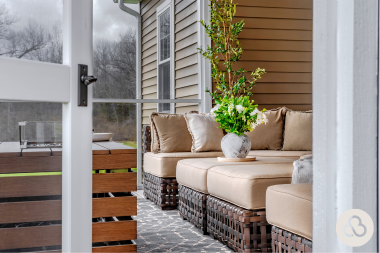
As construction wraps up, your project moves into one of the most important phases: the final walkthrough.
This isn’t just a quick tour of the finished space. It’s a detailed review of craftsmanship, performance, and functionality. It’s your opportunity to understand how everything works and ensure the addition meets the expectations set during planning.
During the walkthrough, you and your team will review:
Interior Finishes
- Trim alignment and paint quality
- Cabinet installation and hardware placement
- Tile lines, grout consistency, and transitions
- Flooring seams and thresholds
- Door swings, latch alignment, and smooth operation
Mechanical Performance
- HVAC airflow and temperature control
- Thermostat setup (especially if zoned systems were added)
- Operation of exhaust fans and ventilation
- Plumbing fixture performance and water pressure
- Electrical outlets, switches, and lighting placement
Exterior Transitions
- Roof tie-ins and flashing details
- Siding alignment and color consistency
- Window trim and caulking
- Grading and drainage around the new foundation
You’ll also review maintenance recommendations, warranty details, and any final touch-ups that need to be completed.
This phase ensures that nothing is overlooked and that you feel confident using your new space from day one.
Once complete, you’ll have a space that:
- Blends with your existing home
- Supports how your family lives today
- Adds long-term value and flexibility
A home addition is a big commitment, but with the right planning and guidance, it can feel exciting instead of overwhelming.
How to Know if a Home Addition Project Is Right for You
A home addition can be the right solution, but it isn’t the right solution for every homeowner or every situation. Because additions are larger, more involved projects, it’s important to make sure your goals align with what an addition actually delivers.
A home addition may be right for you if:
- You love your location and neighborhood and don’t want to move
- Your current home no longer meets your family’s space needs
- Interior reconfigurations alone won’t solve the problem
- You need more square footage, not just a better layout
- You’re prepared for a longer timeline and higher investment than interior remodeling
Additions make the most sense when you need functional space that simply doesn’t exist, like an extra bedroom, expanded kitchen, home office, or main-floor living solution.
A home addition may not be the best fit if:
- Your goals could be achieved by reworking the existing space
- Your property has zoning, setback, or lot-size limitations
- You’re looking for a quick or low-disruption project
- Your budget doesn’t allow for the added complexity of excavation, foundations, and systems
This is why a thorough planning and feasibility conversation is so important. Understanding your property, budget, and long-term goals helps determine whether an addition is the right path or if another remodeling option would better serve your family.
Next Steps to Building Your Home Addition
A home addition is one of the most involved remodeling projects you can take on. From property surveys and foundations to mechanical systems, permits, inspections, and daily life during construction, there’s a lot to plan for beyond the new square footage.
Knowing what’s involved before construction begins helps set realistic expectations. When you understand the timelines, inspections, and potential discoveries behind the walls, you can plan with confidence and reduce surprises along the way.
At Custom Built Design & Remodeling, we guide Michigan homeowners through every phase of a home addition, using clear communication, detailed planning, and decades of hands-on experience.
If you’re considering a home addition, schedule a consultation with our team to talk through your goals, your property, and whether an addition is the right next step for your home.

Now that you know more about what to expect during a home addition project, let’s explore how to build an addition for aging-in-place, how much your project will cost, and how to upgrade your home addition:
- How To Build a Home Addition for Aging Parents in Michigan - Discover how to build a home addition that is comfortable and exciting for your golden years.
- How Much Does a Home Addition Cost at Custom Built? - Explore the costs behind the home additions you just learned about, complete with essential factors influencing the price.
- 5 Top Ways to Upscale Your Home Addition in Lansing, MI - From heated flooring to skylights, this article explores how to elevate your home addition and create an elegant living space for years.