When homeowners start planning a home addition, one of the first decisions that needs to be made is: Which foundation should I choose?
It’s a decision that affects cost, comfort, long-term durability, and how well your addition blends with the rest of your home. But with terms like slab-on-grade, crawl space, full basement, and frost-protected shallow foundations, it can feel overwhelming, especially when every option comes with its own pros, cons, and technical considerations.
At Custom Built Design & Remodeling, we understand how important this decision is. Michigan’s climate, soil conditions, water tables, and freeze-thaw cycles make foundation choices more complex than in other parts of the country. Our team has spent two decades building additions in the Greater Lansing area, navigating tricky weather, saturated soils, aging homes, and the unique charms that come with Michigan homes to help each homeowner choose the best foundation solution.
In this guide, we’ll walk you through the top five home addition foundation options, how they’re built, where they work best, and what you need to know before choosing one:
- Slab-on-Grade Foundation
- Crawl Space Foundation
- Full Basement Foundation
- Post & Beam Foundation
- Frost-Protected Shallow Foundation (FPSF)
1. Slab-on-Grade Foundation
PC: Amber Oliver
How It’s Built
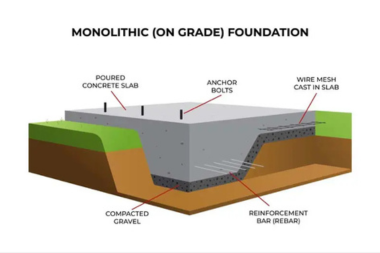
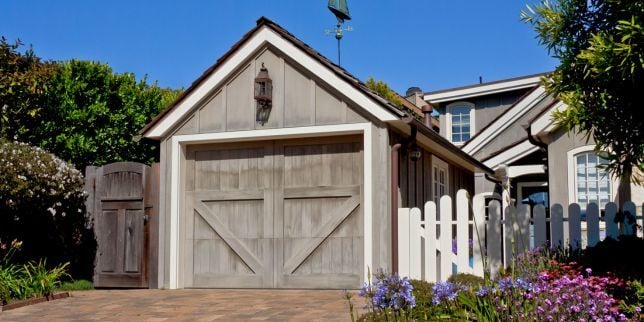
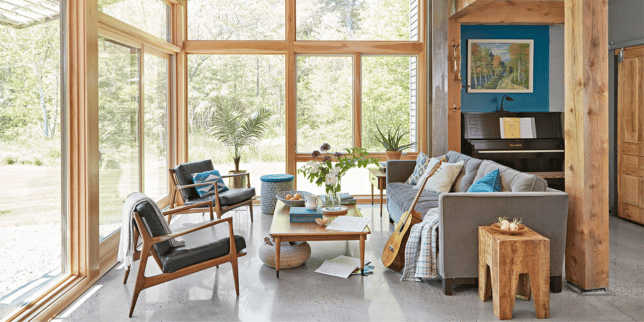
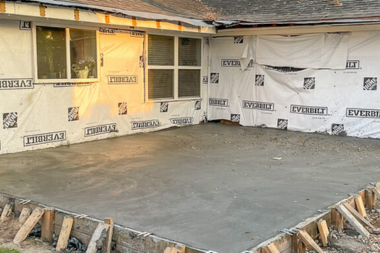
A slab-on-grade foundation is a single layer of concrete poured directly at ground level. Footings are still dug down to frost depth (42 inches in Michigan), but instead of excavating a full crawl space or basement, only the footing area is dug. The concrete slab becomes your finished floor, and the load of the structure above transfers down into the footings.
Pros
- Lower excavation costs
- No basement means no risk of basement flooding
- Ideal for utility spaces, garages, or modern, minimal-profile additions
- Simple, clean construction approach
Cons
- Surrounding grade and elevation must be precisely managed
- Limited long-term flexibility if you ever want to reconfigure mechanicals
- Due to its closeness to the ground, these floors tend to be cold
2. Crawl Space Foundation
How It’s Built
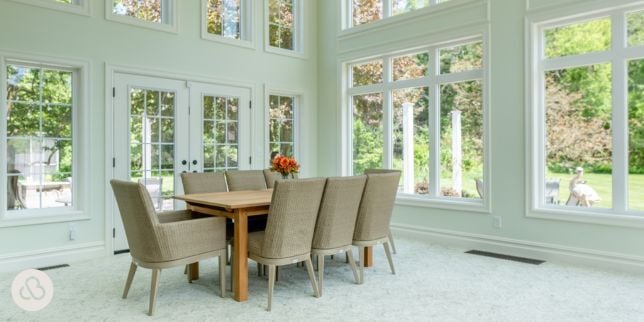
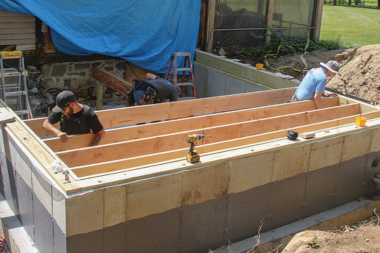
A crawl space foundation creates a framed space beneath the floor system. Footings and foundation walls are poured to support the addition, forming an accessible area below the floor for plumbing, HVAC, and electrical. Depending on the design and site conditions, the crawl space floor may sit close to grade or several feet above it; the key distinction is the usable space beneath the floor, not the exterior height of the addition.
Pros
- Access to plumbing, ductwork, and electrical for future repairs
- Shallower excavation than a full basement
- Provides a buffer between the home and the ground: better temperature control
- Often chosen when homeowners want flexibility for systems without adding a basement
Cons
- Trades may charge more due to tight working conditions
- Risk of moisture issues, mold, or poor air quality if not sealed and ventilated correctly
- Potential water infiltration may go unnoticed longer than in a basement
3. Full Basement Foundation
PC: HomeGuide
How It’s Built
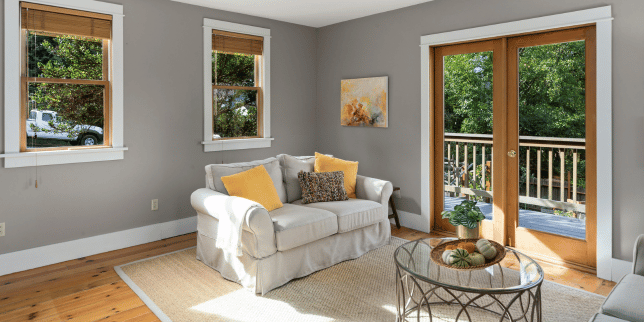
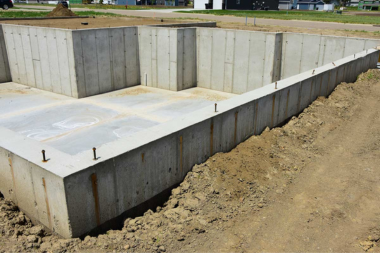
A full basement requires complete excavation beneath the addition. Foundation walls and footings are poured, followed by slabs, drainage systems, and waterproofing. This creates a full-height, usable lower level.
Pros
- Maximum usable square footage. Makes servicing new mechanicals simple for all technicians
- Highest long-term value
- Flexibility for future remodeling or finished spaces
Cons
- The most expensive foundation option
- In certain areas, high water tables and soil conditions add real challenges to building and maintaining a basement
- Depending on the geography of your home, your basement will require a sump system and sometimes backup power
4. Post & Beam Foundation
How It’s Built
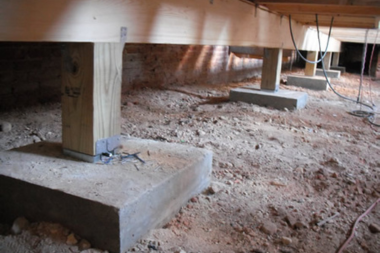
Post and beam foundations resemble the structural setup of a deck. Concrete footings are poured in strategic locations, and treated wood posts are anchored into them. The structure is then built above, supported by those posts.
Pros
- Significant cost savings
- Faster construction
- Minimal excavation
- Commonly used for three-season rooms
Cons
- Not ideal for most traditional home additions
- Longevity depends heavily on moisture control
- Difficult to heat the space due to the open air below the floor
- Limited to what can be in the space because the water line and heat supply would be in the floor, limiting the amount of insulation that can be provided
5. Frost-Protected Shallow Foundation (FPSF)
PC: Journal of Light Construction
How It’s Built
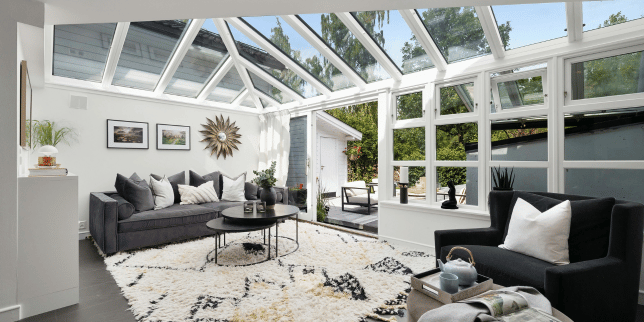
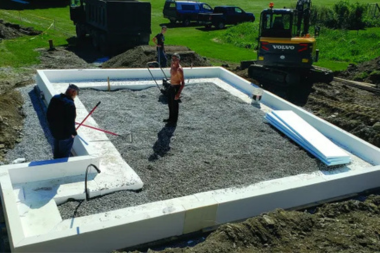
An FPSF is a slab-on-grade system designed for cold climates. Instead of digging down to frost depth (42 inches), only 18-24 inches are excavated. Insulation is installed horizontally around the perimeter of the foundation, trapping enough warmth under the slab to prevent freezing and frost heave.
Pros
- Less excavation means lower cost
- Faster build timeline
- It can be a great solution to combat potential water issues
- Excellent for cost-efficient homes or additions
- Engineered to protect the structure from freeze-thaw cycles
Cons
- No basement or crawl space
- A newer system that not all homeowners or builders are familiar with
Which Foundation Is Right for Your Home Addition?
Your foundation is the backbone of your entire project. It determines:
- How your addition handles Michigan’s freeze-thaw cycles
- How your home manages water and groundwater
- Future flexibility for mechanical systems
- Cost, speed, and long-term durability
The best foundation for your project depends on your soil conditions, elevation, water table, home layout, long-term plans, and budget. Here’s how each one influences the decision:
1. Soil Conditions
Your soil determines how water moves, how the ground settles, and how much weight it can safely support. Clay, sand, peat, and mixed soils all behave differently. A foundation that works beautifully on a sandy hill may fail in saturated clay. Understanding your soil type helps prevent shifting, cracking, or long-term water issues.
2. Elevation
Where your home sits compared to the surrounding land matters. Low or “bowl-shaped” lots can collect water, causing hydrostatic pressure or even sewage backup in extreme storms. Higher elevations drain better and can safely support more foundation types.
3. Water Table
In Michigan, every hole eventually hits water. It’s just a question of when. If the water table is high, a basement may not be the best choice.
Seasonal rise and fall also matter; spring melt can stress or overwhelm foundations that aren’t designed for constant moisture.
4. Home Layout
The design of your existing home can determine whether a slab, crawl space, or basement makes the most sense. Any of the following features will influence this decision: stair placement, floor levels, rooflines, mechanical systems.
5. Long-Term Plans
If you want extra storage, mechanical space, or future finished areas, a crawl space or basement adds flexibility. If low maintenance and simplicity matter most, slab-on-grade or FPSF may be better options. If you are creating an outdoor space or a room that does not need to be completely temperature-controlled, post and beam foundations are a great way to save on cost. How you plan to use the home years from now can steer the decision today.
6. Investment Goals
Every foundation type comes with its own cost and long-term considerations. Basements provide the most usable space, but also require the largest investment.
Crawl spaces and post-and-beam foundations typically fall in the middle, offering flexibility with moderate cost.
Slab-on-grade and FPSF systems are often the most cost-effective upfront, but allow fewer options for future changes. The right choice balances budget, performance, and how you plan to use the home over time.
Next Steps to Building Your Home Addition
Planning a home addition can be exciting, but the wrong foundation choice can lead to costly repairs, uncomfortable living spaces, and headaches down the road. Making the right decision up front ensures your new space is safe, functional, and built to last in Michigan’s unique climate.
You’ve learned how slab-on-grade, crawl spaces, full basements, post-and-beam systems, frost-protected shallow foundations, and hybrid options differ in cost, complexity, soil requirements, and long-term durability.
At Custom Built Design & Remodeling, we’ve spent decades helping Mid-Michigan homeowners select the safest, smartest, and most efficient foundation systems for their additions.
If you’re considering a home addition and want expert guidance on the right foundation for your property, schedule a consultation with our team. We’ll help you plan a strong foundation (literally and figuratively) for your next chapter at home.

Now that you know more about the top home addition foundation options, let’s explore how to build an addition for aging-in-place, how much your project will cost, and how to upgrade your home addition:
- How To Build a Home Addition for Aging Parents in Michigan - Discover how to build a home addition that is comfortable and exciting for your golden years.
- How Much Does a Home Addition Cost at Custom Built? - Explore the costs behind the home additions you just learned about, complete with essential factors influencing the price.
- 5 Top Ways to Upscale Your Home Addition in Lansing, MI - From heated flooring to skylights, this article explores how to elevate your home addition and create an elegant living space for years.
Topics: