
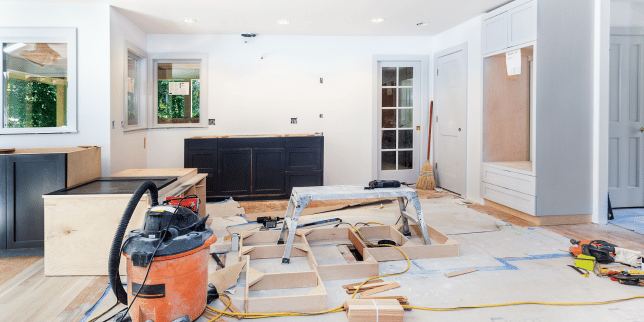
You were excited when you started planning your remodel.
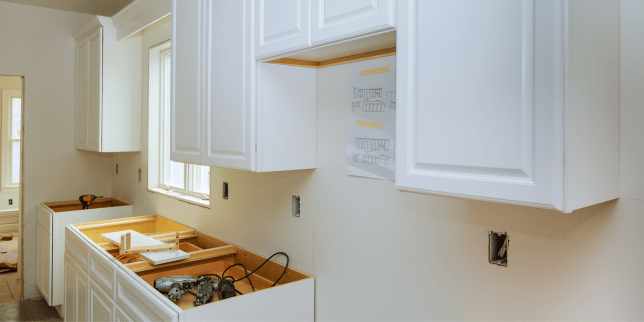
But now your kitchen is torn apart, your garage is full of materials, and you’re making your fifteenth decision about finishes this week. You’re wondering when life will feel normal again and whether this was a good idea in the first place.
Remodeling fatigue is real. The disruption, the decision-making, the shifting timelines. It can wear on even the most prepared homeowners. And if expectations aren’t set clearly from the beginning, that stress can multiply quickly.
At Custom Built, we’ve guided hundreds of homeowners through kitchens, bathrooms, decks, and additions. We’ve seen where frustration creeps in, and more importantly, we’ve learned how to proactively prevent it.
Here are ten practical ways to manage remodeling fatigue so you can stay confident, collaborative, and focused on the finished space you’re working toward:
- Set Clear Expectations Early
- Finalize Major Design Decisions Before the Build
- Decide How You Want to Manage the Project
- Limit Daily Decision-Making
- Create Temporary Household Routines
- Schedule Time Away From the Project
- Communicate Early and Often
- Focus on Function Over Perfection
- Break the Project Into Milestones
- Keep the End Goal in Mind
1. Set Clear Expectations Early

One of the first questions we ask is: “When do you expect to have your space back?”
Many homeowners assume a project will only take a few weeks. But timelines depend on:
- Design decisions
- Material availability
- Permits
- Labor schedules
- Inspection cycles
There is always some unpredictability. People get sick. Inspections get delayed. Materials ship late. You can control selections. You can’t control delivery trucks.
The key is understanding both:
- The ideal timeline
- The realistic timeline
If you mentally prepare for flexibility, surprises won’t feel catastrophic. And when unexpected things happen (because they will), you won’t put unnecessary pressure on yourself or your build team.
2. Finalize Major Design Decisions Before the Build
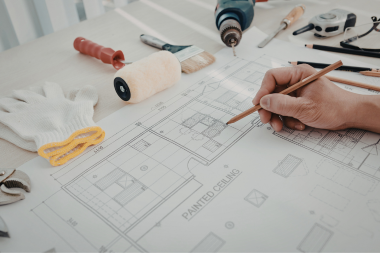
We believe in doing the heavy design work before hammers start swinging. Why?
Because design decisions directly impact the timeline and budget. Placeholders create uncertainty. A price range feels very different from a fixed price. Moving from “ballpark” to “fully defined” gives you confidence.
Things that seem small, like casement vs. double-hung windows or choosing a non-white tub, can dramatically affect:
- Lead times
- Material costs
- Surround finishes
- Installation sequencing
It’s much better to feel decision fatigue a month before construction begins than during demo when your garage is full of cabinets, and ZipWalls are up.
Proactive planning won’t eliminate every issue, but it will reduce stress when your house is temporarily torn apart.
3. Decide How You Want to Manage the Project
Not everyone wants the same remodeling experience. Some homeowners enjoy self-managing. Others prefer a design-build team handling everything.
What matters most is conviction in the path you choose.
If you self-manage, understand the responsibility:
- Coordinating 8-10 trades
- Managing inspections
- Reordering broken materials
- Adjusting schedules
The money you “save” can disappear quickly if coordination goes sideways.
A centralized team means:
- One communication channel
- Established trade relationships
- Clear accountability
The worst place to realize you want help is halfway through a DIY or self-managed remodel. Make that decision early.
4. Limit Daily Decision-Making
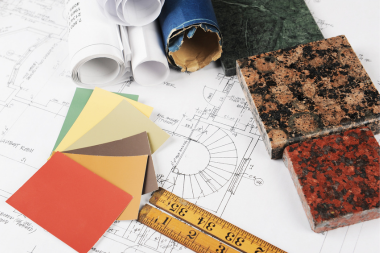
Decision fatigue can set in quickly during a remodel, especially when you're making multiple big design decisions at once. These choices require clear thinking, and without direction, the process can start to feel overwhelming.
Establishing a central focal point, like countertops or sconces, helps anchor the design. With that foundation in place, the remaining selections tend to fall into place more naturally, making the entire process feel more cohesive and manageable.
Making isolated, last-minute decisions during installation:
- Prolongs stress
- Slows the process
- Adds cost
You shouldn’t be forced to make a thousand decisions in one day. But spreading them out randomly throughout construction isn’t ideal either.
Find the balance:
- Make foundational decisions early
- Revisit when needed
- Avoid rushed, pressure-driven choices
And if you start to feel overwhelmed? Pause. Re-sync. Refocus.
How Our Proven Process Assists Your Decision-Making: During Our Proven Process, we intentionally batch selections during Design Vision and Selection Showcase meetings. This helps you stay focused, reduce decision fatigue, and see how each element works together instead of making isolated choices. By guiding you through selections in a structured way, we create a more cohesive design while making the experience feel more organized, efficient, and enjoyable.
5. Create Temporary Household Routines

Remodeling disrupts daily life. The more prepared you are, the easier it feels.
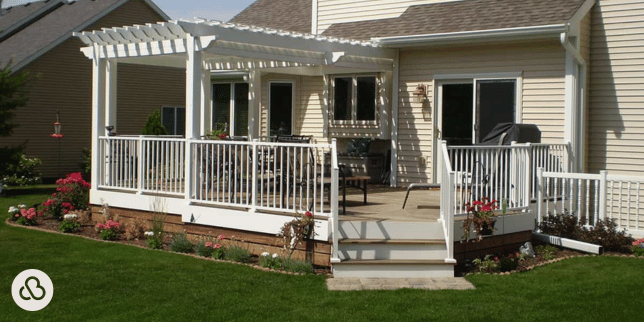
If your deck is being rebuilt:
- Move the grill to the garage or elsewhere in the backyard.
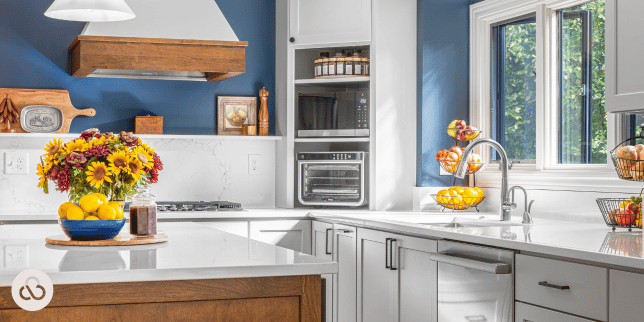
If your kitchen is under construction:
- Set up a microwave or air fryer in the basement.
- Use a drying rack in a secondary bathroom.
- Plan simple meals.
If you work from home:
- Shift your desk during demo days.
If your only bathroom is torn up:
- Join a gym temporarily.
Sixty dinners without a dishwasher feel long. But it’s a season, not forever. Temporary systems make the disruption manageable and help you see the finish line.
6. Schedule Time Away From the Project

If possible, plan time away during high-disruption phases like:
- Demolition
- Drywall
- Heavy sanding or painting
Even a few nights away during loud phases can reset your mindset. That said, construction calendars shift. So hold vacation plans loosely.
If you’ll be away:
- Let your contractor know early
- Ensure communication systems are in place
- Make sure you trust the team managing your home
You don’t want to restructure your entire work schedule just to let a plumber in.
7. Communicate Early and Often

You can’t prevent schedule changes. But you can stay aligned when they happen.
Ask your remodeler:
- How transparent is the schedule?
- How will updates be shared?
- What happens when timelines shift?
If you’re self-managing, remember:
You’re now responsible for coordinating every trade partner. Strong communication reduces stress because everyone knows:
- What’s happening
- Who’s next
- What decisions are required
Clarity leads to better sleep and a better relationship with your builder.
8. Focus on Function Over Perfection

Remodeling works within preexisting conditions. A brand-new home is different from a remodeled home.
If you’re rebuilding a deck from scratch, expectations should be precise. If you’re redecking over an existing frame, some imperfections may remain, especially in climates like Michigan.
Perfection is rarely the goal. The goal is:
- Code-compliant
- Functional
- Durable
- Beautiful within realistic limits
Advocate for your space. But understand that “best possible” doesn’t always mean “flawless.”
9. Break the Project Into Milestones
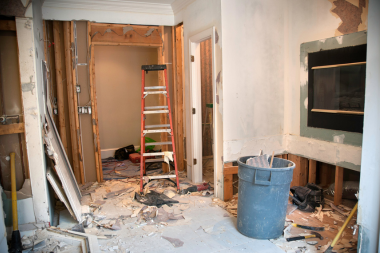
As the old saying goes, “How do you eat an elephant? One bite at a time.” The same adage applies to home improvement.
Every remodel has milestones:
- Demo complete
- Rough-ins passed
- Inspections cleared
- Cabinets installed
- Final walkthrough
When you understand the sequence, you can see progress. Additionally, to support your project, a good builder will provide:
- A clear scope of work
- An organized calendar
- Defined phases
Each milestone is a small win. And small wins help you maintain momentum.
10. Keep the End Goal in Mind
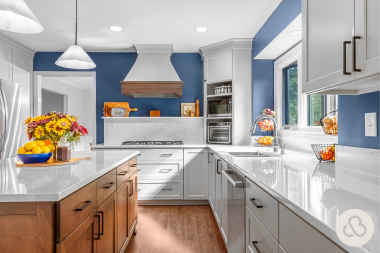
Watching construction daily can feel chaotic. It’s like walking alongside a truck on an assembly line: You’re seeing every screw before it’s quality-checked.
During the messy phases, remind yourself: This is temporary. Trust matters here.
At the end of the project, walkthroughs allow you to review everything with your team. Adjustments can be made. Mistakes can be corrected.
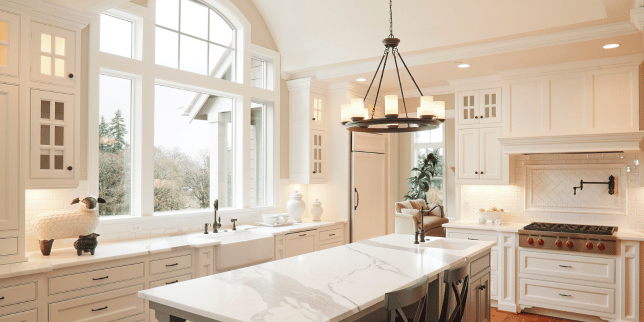
The goal isn’t just to finish; it’s to deliver a space that works better for your life.
Next Steps to Remodeling Your Home
Remodeling fatigue happens when routines are disrupted, decisions pile up, and timelines feel uncertain. That middle stretch can test your patience, especially when your home doesn’t feel like home.
The good news is that much of that stress can be reduced with proactive planning, clear expectations, and steady communication. When you understand the process and prepare for the variables, the unexpected feels manageable instead of overwhelming.
At Custom Built, we guide homeowners through a structured design-build process that prioritizes clarity before construction begins, so you feel confident, supported, and prepared every step of the way.
If you’re planning a remodel, start by having an honest conversation about timelines, decision-making, and communication. The right process makes the journey just as successful as the finished space.

Now that you know more about the ways to manage home remodeling fatigue, let’s take a look at whether a design-build firm like Custom Built is right for you, how we will approach your project, and other ways to vet your remodeling partner options, and a full look at our remodeling services:
- Top 4 Differences Between a Design-Build Firm and a General Contractor - A comparison between design-build firms and general contractors that highlights the pros and cons that each brings to the table.
- Top 8 Questions to Ask Before Hiring a Remodeling Contractor - A list of essential questions to ask your prospective remodeling contractor before hiring them for your project; additional questions are included in each section.
- Custom Built’s Remodeling Services - Explore all of Custom Built Design & Remodeling’s services, from kitchens and bathrooms to additions, decks, and whole-home remodeling, designed to help you plan your next project with confidence.
Topics: