
Is your siding starting to show signs of wear or damage? Your home’s siding not only adds curb appeal, but it’s a critical barrier that protects your home from the elements. Knowing when to repair and when to replace your siding can save you time, money, and stress down the road.
At Custom Built Design & Remodeling, we’ve helped many homeowners in the Greater Lansing and Northern Michigan areas keep their homes protected with top-quality siding solutions. With over two decades of experience and a commitment to quality, we’re here to help you understand when it’s time to invest in a full replacement.
In this article, we'll explore the five signs that your siding might be failing and will require a replacement:
- Visible Cracks or Warping
- Moisture Problems or Hidden Rot
- Fading or Peeling Paint
- Drafts or Energy Loss
- Frequent Repairs and Ongoing Maintenance
1. Visible Cracks or Warping
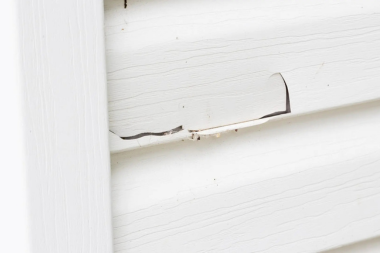
Cracked or warped siding usually happens for a reason; it’s rarely random. Vinyl siding, in particular, is designed to expand and contract with temperature changes. If it can’t move the way it’s supposed to, problems show up fast.
Common causes homeowners don’t always expect include:
- Heat exposure, such as grills placed too close to vinyl siding
- Sunlight reflecting off a nearby neighbor’s windows and overheating the panels
- Improper installation, where nails were driven too tightly instead of being left about ½ inch loose for expansion
- Impact damage from trash cans, lawn equipment, kids’ toys, baseballs, hockey pucks, or hail
If cracks appear higher up on your home, hail may be the culprit, not backyard activity. In those cases, it’s often worth checking with your insurance provider. Isolated damage can sometimes be repaired, but widespread warping or buckling may point to an installation issue that requires a larger fix.
2. Moisture Problems or Hidden Rot
PC: JD Hostetter
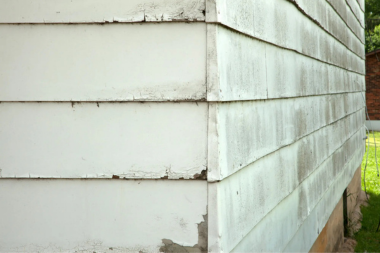
Moisture issues are one of the most serious siding problems, and often the hardest to spot early. Many homeowners don’t discover rot until siding is removed or interior damage appears.
Warning signs to watch for include:
- Water streaks running down the siding days after it last rained
- Soft or spongy areas behind wood siding
- Woodpecker holes or repeated pest activity in wood-clad homes
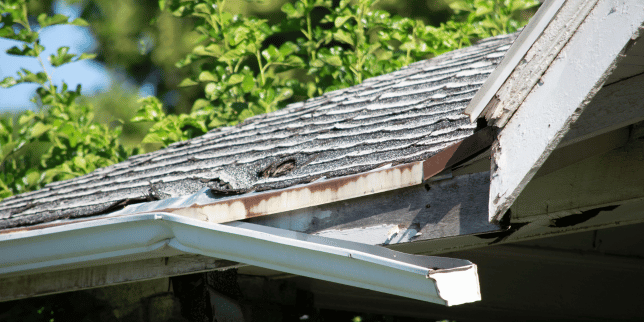
A common culprit is missing or improperly installed kickout flashing at the roofline-siding junction. This small piece of metal is designed to direct water into the gutter. Without it, water can run behind the siding, soak the sheathing, and cause widespread rot that isn’t visible from the outside.
When moisture damage is present, spot repairs often aren’t enough. The underlying structure may need to be addressed before new siding goes on.
3. Fading or Peeling Paint
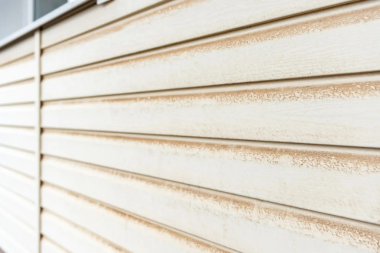
Modern siding materials are far more fade-resistant than older products, so noticeable color changes are more common on aging homes. Still, fading and peeling can signal that your siding, or the finish protecting it, is reaching the end of its lifespan.
What this often looks like in Michigan homes:
- Uneven fading where sun exposure is strongest
- Peeling paint on wood siding, especially near the bottom half of the home
- Newly replaced siding sections that don’t match older panels, creating a patchwork appearance
Most painted homes need repainting every 5-10 years, depending on the paint quality and prep work. If only a few damaged pieces are replaced, such as after a hail claim, the contrast between new and old siding can make other flaws more noticeable, sometimes pushing homeowners toward full replacement for a cohesive look.
4. Drafts or Energy Loss
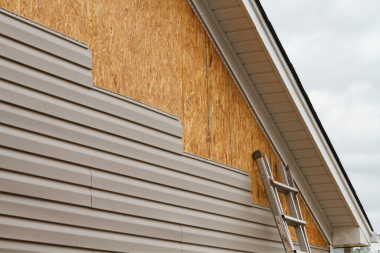
If rooms near exterior walls feel colder than the rest of the house, siding may be part of the issue, but it’s often tied to insulation and air sealing as well.
Signs to pay attention to:
- Cold drywall during the winter months
- Higher energy bills with no clear explanation
- Lack of insulation or a vapor barrier behind the siding
While this isn’t always a siding failure on its own, it’s a strong indicator that your exterior wall system isn’t performing as it should. In many cases, replacing siding creates the opportunity to upgrade insulation and improve overall energy efficiency at the same time.
5. Frequent Repairs and Ongoing Maintenance
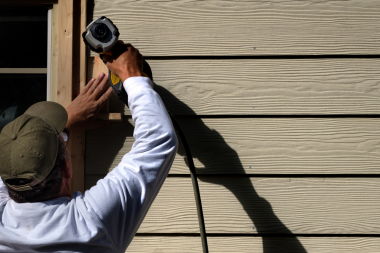
When siding starts demanding constant attention, it’s usually a sign that something isn’t working the way it should. One of the most common issues we see is siding that won’t stay properly clipped.
Red flags include:
- Panels that shift, flap in the wind, or fall out of place
- Sections that need repeated reclipping
- Improper installation, where panels weren’t pushed up firmly enough to lock together
This often results from rushed installation or poor insulation support behind the siding. While reclipping a few panels can be a temporary fix, recurring movement across multiple areas usually means it’s time to consider a more permanent solution.
Next Steps to Replacing Your Siding
Your siding plays a key role in protecting your home, and knowing when it’s time for repairs or replacement can help avoid bigger problems down the line.
If you’re dealing with cracks, moisture, fading, or frequent repairs, it may be time to replace your siding for long-term peace of mind.
At Custom Built Design & Remodeling, we combine expert knowledge and quality materials to help you make the best choice for your home’s siding needs.
Not sure if it’s time for a replacement? Contact us for a free consultation, and let’s assess the best solution for your home’s exterior.
 Now that you know more about the signs your siding is failing and when it’s time to replace it, let’s explore the top exterior projects, what to consider before replacing your windows, and the best ways to insulate your windows in the cooler months:
- Top 5 Exterior Home Improvement Solutions in Michigan: Explore the most effective exterior upgrades Michigan homeowners can make to improve durability, energy efficiency, and year-round curb appeal.
- 8 Things to Think About Before Replacing Your Windows: Learn the key factors, from energy performance to installation details, that can impact cost, comfort, and long-term value before you replace your windows.
- How to Insulate Your Windows in Cold Weather: Discover practical ways to reduce drafts, retain heat, and improve comfort during Michigan winters without immediately replacing your windows.
Topics: