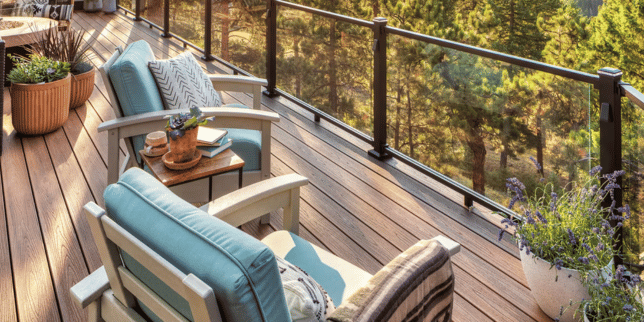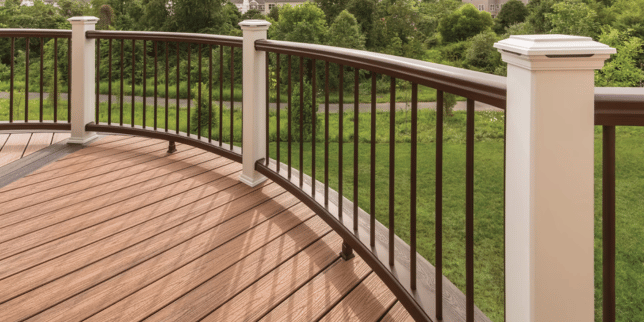

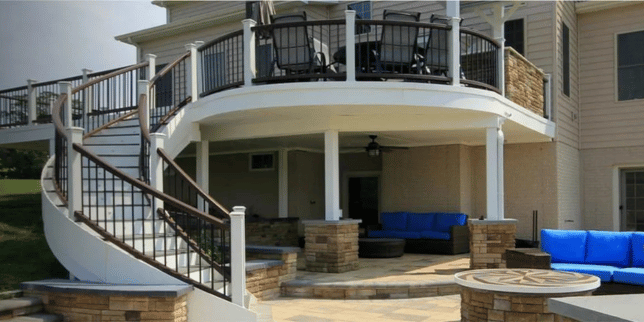
Noticing a deck that feels uneven, bouncy, or just “off”? Many structural deck problems don’t start with the boards or railings you can see; they begin below the surface. In Michigan, changing seasons, frozen ground, and moisture can put a lot of stress on a deck’s foundation when footings aren’t installed correctly.
At Custom Built Design & Remodeling, we’ve seen how small shortcuts during footing installation can lead to big problems down the road. That’s why we pay close attention to local soil conditions, frost depth, and how a deck will actually be used, so the structure is built to last, not just look good on day one.
In this article, we’ll walk through the most common structural problems caused by improperly installed deck footings, explain why they happen, and help you understand what to look for to protect your home, your investment, and your family’s safety.
- Deck Settling or Sinking
- Frost Heave Lifting Posts Out of the Ground
- Uneven or Sloped Deck Surfaces
- Sagging Beams
- Sagging Joists
- Posts Sliding Off or Compressing at the Footing
- Stress and Separation at the Ledger Board
- Loose or Unstable Railings
- Cracked or Crumbling Concrete Footings
- Reduced Overall Deck Lifespan
Header PC: Trex RainEscape
1. Deck Settling or Sinking
PC: Her Tool Belt
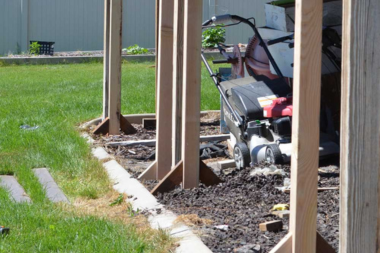
If a footing isn’t dug below the frost line (42 inches in our area), frost can form beneath it during Michigan winters. When that happens, the footing is more likely to heave (rise) rather than settle, which can cause sections of the deck to lift unevenly.
On the other hand, if a footing is undersized for the load it’s carrying, the deck can sink over time because the soil cannot adequately support the weight.
Proper footing sizing takes multiple factors into account, including soil bearing capacity, the dead load (10 psf in Michigan, which is the weight of the deck materials themselves), and the live load (40 psf, which includes people and furniture).
We also factor in concentrated loads from heavier features like hot tubs, pergolas, outdoor kitchens, and roof systems to calculate the total load each footing must support.
Over time, individual posts can sink at different rates, creating uneven support and stressing the rest of the structure.
2. Frost Heave Lifting Posts Out of the Ground
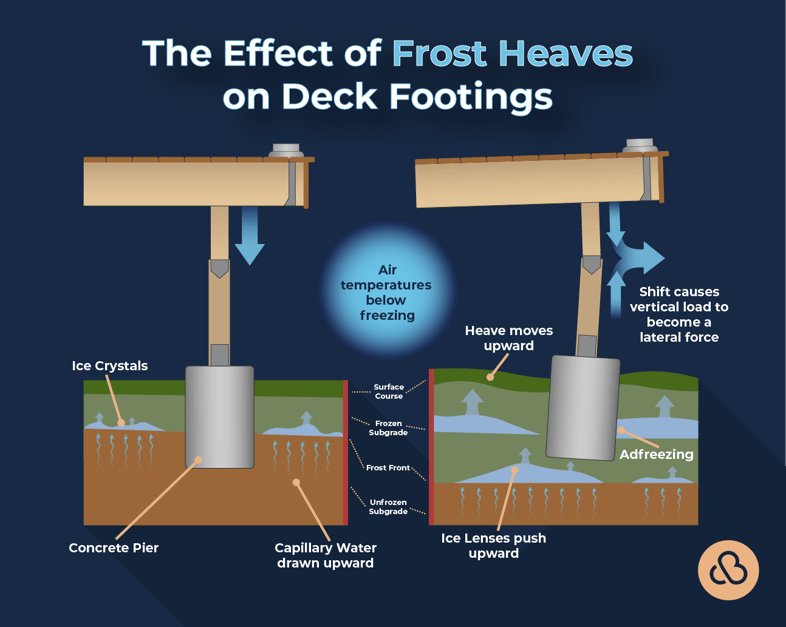
In areas with high water tables or consistently saturated soil, we typically would not recommend a standard concrete footing. Instead, we would use a helical pier, which allows us to reach stable, load-bearing soil below the water line.
Frost heaving is more commonly an issue in standard soil conditions when a footing is not installed below the frost line. In those cases, freezing ground can expand and push the footing upward, sometimes lifting posts several inches during a harsh Michigan winter.
Once the ground thaws, soil often fills in underneath, leaving the footing unsupported and the deck permanently out of level.
3. Uneven or Sloped Deck Surfaces
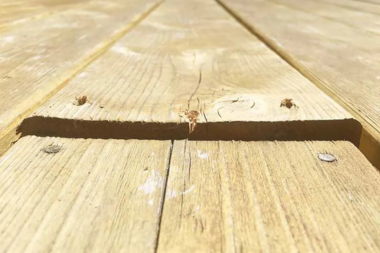
When footings move, the deck framing follows. What starts as a slight shift below grade eventually shows up where you feel it most: underfoot.
This “telegraphing” effect causes sloped walking surfaces, doors that don’t align, and furniture that no longer sits flat.
4. Sagging Beams
PC: Reddit
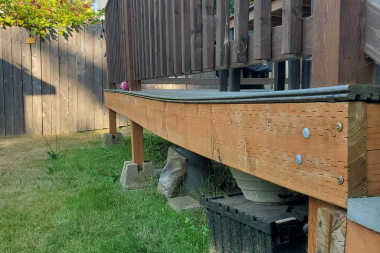
Sagging beams often look like a slow smile or shallow “U” shape. This usually happens when:
- The beam span exceeds what it’s rated for
- A center post sinks
- The beam wasn’t sized for the deck’s true load
Heavier decks, especially those with roofs, hot tubs, or large gathering furniture, require more support than many homeowners realize.
5. Sagging Joists
PC: Home Improvement Stack Exchange
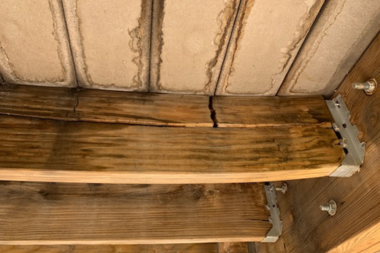
Joists can sag for similar reasons as beams: excessive span, shifting footings, or undersized structural members. When joists sag, the decking above them wears unevenly, and fasteners take on stress they weren’t designed to handle.
This is often an early warning sign of deeper foundation issues.
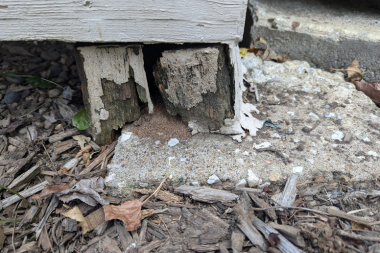
6. Posts Sliding Off or Compressing at the Footing
PC: Home Improvement Stack Exchange
Older decks sometimes used a now-outdated method of setting posts directly into wet concrete. This traps moisture against the wood, accelerating decay right at grade.
As posts soften or compress, they lose height and stability, causing the deck to drop, twist, or pull away from the house.
7. Stress and Separation at the Ledger Board
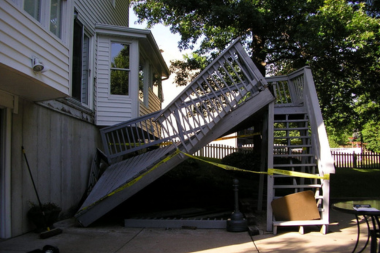
Just like houses, your deck moves too. With any organic material, they are subject to swelling and shrinking with heat and moisture. When footings sink, the deck pulls laterally away from the home instead of straight down.
That sideways stress puts tremendous pressure on the ledger board, increasing the risk of separation, fastener failure, and serious safety hazards. In response to this potentially catastrophic issue, building code has been updated in recent years to require additional lateral load connections.
One common solution is the Simpson Strong-Tie DTT1Z (Deck Tension Tie), which connects four deck joists directly back to the house framing, not just the ledger board itself. This added connection helps prevent the deck from pulling away from the home under load, significantly improving overall structural safety.
8. Loose or Unstable Railings
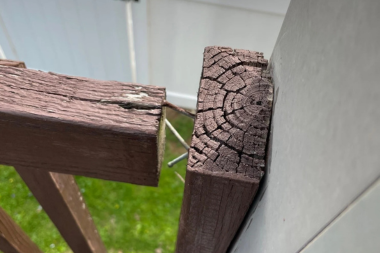
Railings follow the deck. When the structure moves out of square, railings shift with it, sometimes subtly, sometimes dramatically.
In severe cases, railings attached partly to the house and partly to the deck experience uneven movement, making them feel loose or unsafe when leaned on.
9. Cracked or Crumbling Concrete Footings
PC: Reddit
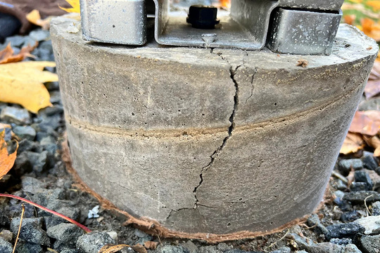
While less common, poorly mixed concrete or inadequate reinforcement can cause footings to crack or crumble. Footings are designed to resist compressive forces, not tension, so proper size and reinforcement matter.
Because some footings are buried (unlike the above photo), these failures often go unnoticed until other structural symptoms appear.
10. Reduced Overall Deck Lifespan
PC: Archadeck | Outdoor Living
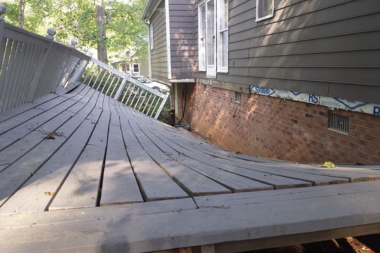
When footings fail, everything above them works harder than it should. Framing shifts, decking wears unevenly, fasteners loosen, pull out, and shear, and materials reach the end of their lifespan far sooner than expected.
In short, the structure moves, the surface deteriorates, and the deck no longer serves your family as it should.
Why Deck Footings Are Often Installed Incorrectly
Footing requirements vary significantly depending on local conditions and the specifics of your deck. Key factors include:
- Frost depth in your region: In Michigan, frost can penetrate well below the surface. Footings that aren’t deep enough can heave during freeze-thaw cycles, lifting posts and shifting the entire deck.
- Soil composition: Sandy, clay-heavy, or wet soils all behave differently under weight. A footing that works in one yard could fail in another.
- Deck size and weight: Bigger decks, or those with added features like roof structures or hot tubs, place far more stress on posts and footings.
- Intended use: Even a standard deck with heavy furniture or planters can require larger footings than expected.
Without proper calculations and a clear understanding of local conditions, it’s easy to underestimate the diameter and reinforcement your deck needs to stay safe and stable for years.
What You Can Do Next
Proper planning and asking the right questions can prevent costly mistakes and structural problems down the line. Before building (or purchasing) a deck, make sure these considerations are addressed:
- Are the footings deep enough for local frost conditions?
- Are the footings sized correctly for the weight they’ll support?
- Does the builder understand the soil, drainage, and water conditions on your property?
If the answers are unclear or vague, work with a reputable builder who not only knows the local requirements but is committed to standing behind their work long after construction is complete. Taking the time now to ensure proper footings will save headaches, repairs, and potential safety issues later.
Next Steps to Building or Remodeling Your Deck
Deck problems like sagging beams, uneven surfaces, and loose railings often trace back to one hidden issue: footings that weren’t designed or installed correctly for Michigan’s soil, frost depth, and load requirements.
By understanding how footing depth, size, soil conditions, and deck usage all work together, you’re better equipped to spot early warning signs and avoid the costly chain reaction that improper foundations can cause.
At Custom Built Design & Remodeling, we take a below-frost-line-up approach to deck construction, complete with engineering footings to meet code, withstand seasonal movement, and support how your deck will actually be used for years to come.
If you’re concerned about an existing deck or planning a new one, a professional evaluation can give you clear answers. Schedule a consultation with our team to make sure your deck is built on a foundation you can trust.

Now that you know more about the signs that your deck footings aren’t installed correctly, let’s explore how much composite decks cost, the top differences between Trex and wood decking, and Trex’s high-quality composite lines:
- How Much Do Composite Decks Cost in Lansing, Michigan? - An overview of how much your Lansing composite deck will cost and the factors that will influence your price.
- Top 10 Differences Between Trex Composite and Wood Decking Material - Learn more about the basic yet essential differences between Trex composite and wood decking when choosing your deck’s materials.
- Comparing Trex Lineage, Transcend, Select, and Enhance Composite Decking Lines - Explore our thorough comparison of Trex’s most common composite decking options, including cost, colors, and benefits.