
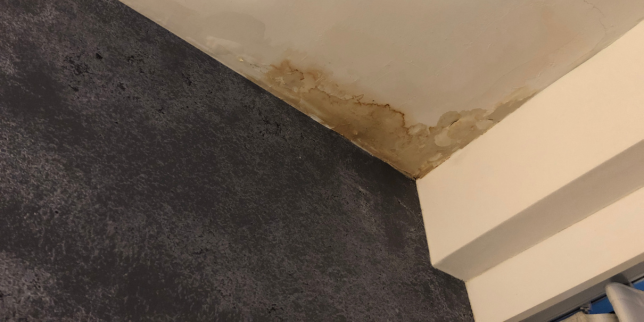
A roof leak can strike unexpectedly, causing water damage, mold, and stress for any homeowner. Knowing what steps to take immediately can prevent small issues from turning into major repairs.
At Custom Built Design & Remodeling, we’ve guided Lansing homeowners through roofing emergencies. We understand how overwhelming a leak can feel and know the most effective ways to identify, document, and repair the damage.
In this article, we’ll walk you through exactly how to address a roof leak, from pinpointing the source to working with licensed professionals, so you can protect your home, save money, and restore peace of mind.
- Identify the Source of the Leak
- Call a Licensed Roofing Contractor
- Inspect Roof Coverings Thoroughly
- Assess and Document Damage
- Temporary Patch Repairs
- Addressing Interior Damage
- Prevent Future Leaks
- Understand Insurance and Warranties
1. Identify the Source of the Leak
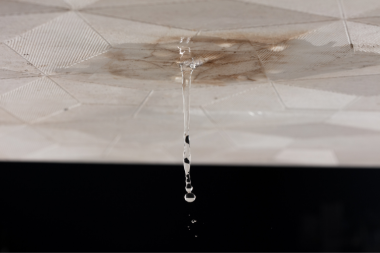
Finding the leak’s origin is the first and most important step. Water can travel before it appears on ceilings or walls, so the visible spot may not indicate the true source:
- Check Plumbing Lines: If the leak is near a bathroom, kitchen, or laundry area, plumbing may be the culprit. Calling a plumber first can rule this out.
- Inspect Roof vs. Interior: Look for signs like water stains on ceiling paint, warped drywall, or damp insulation.
- Track Water Flow: Observe during or after rain to see where water enters. This helps contractors pinpoint the leak location.
Pro Tip: A leak in your kitchen ceiling doesn’t automatically mean a roof problem. Tracking the water’s path is key to avoiding unnecessary repairs.
2. Call a Licensed Roofing Contractor
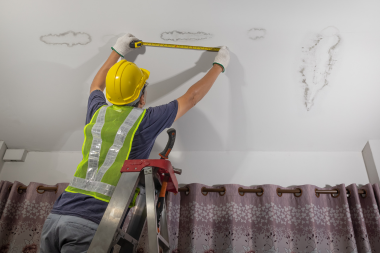
A licensed and experienced contractor is essential for accurate diagnosis and safe repairs. Here are a few details you should consider during the vetting process:
- Verify Credentials: Ensure they’re licensed, insured, and familiar with local building codes.
- Scope of Work: A professional contractor will inspect shingles, flashings, penetrations, gutters, and attic areas.
- Permits and Compliance: Licensed contractors can pull roofing permits if required, preventing issues with inspections or insurance claims.
Red Flag: If a contractor insists on a full roof replacement without showing clear evidence, get a second opinion. Reputable contractors will provide transparency and options.
3. Inspect Roof Coverings Thoroughly
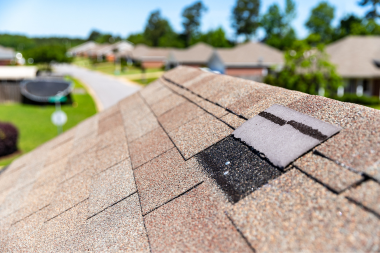
A detailed inspection uncovers hidden problems and prevents recurring leaks:
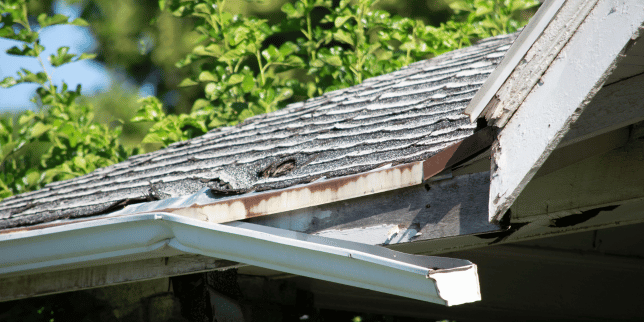
- Shingle Condition: Look for missing, cracked, or curling shingles. Aging or damaged shingles are a common source of leaks.
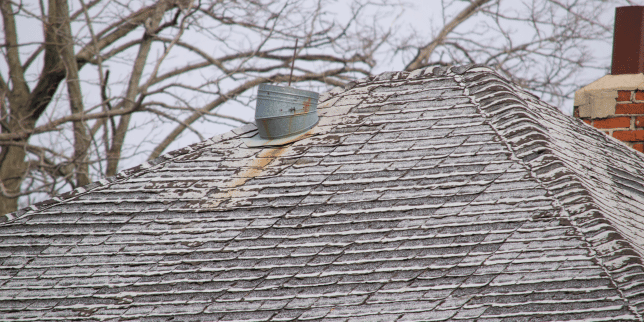
- Roof Penetrations: Examine vents, chimneys, skylights, and flashings. These areas often fail before the main roof surface.
- Attic Inspection: Water can travel along rafters and drip far from the entry point. Check for wet insulation, mold, or discoloration to identify the source.
Pro Tip: Attic inspections often reveal the leak’s true origin faster than looking at the ceiling alone.
4. Assess and Document Damage
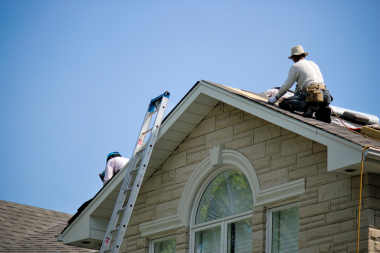
Documenting the leak helps you understand the problem and supports insurance or warranty claims.
- Photographs and Notes: Take photos of all visible damage and areas prone to leaks.
- Transparency from Contractors: Using your documentation, a reputable contractor will show you where water entered and explain repair options.
- Damage Severity: Determine, with the help of your contractor, if it’s a minor patch, roof section repair, or full replacement.
Red Flag: Contractors who refuse to document damage or provide photos may not be fully transparent.
5. Temporary Patch Repairs
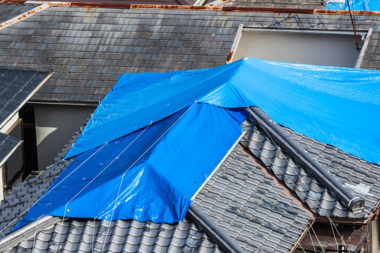
PC: The Home Depot
Not every roof leak requires a full replacement. In many cases, temporary repairs can stop active water intrusion while you plan the right long-term solution.
Common temporary patch options include:
- Targeted Shingle Replacement: Swapping out a small number of damaged or missing shingles to restore the roof’s protective layer.
- Flashing Repairs or Resealing: Re-securing or sealing flashing around vents, chimneys, or skylights where leaks often originate.
- Sealant or Membrane Patches: Applying roofing-grade sealants or membranes over minor penetrations or cracked areas.
- Temporary Underlayment Protection: Installing a short-term moisture barrier beneath compromised areas to prevent further damage.
These solutions can be cost-effective when the issue is isolated, helping you avoid overspending on a full roof replacement before it’s truly necessary. However, temporary fixes should always be paired with a plan for permanent repair to prevent repeat leaks.
Pro Tip: Think of it like car maintenance; replacing the brake pads when needed is far better than buying a new car because of a minor issue.
6. Addressing Interior Damage
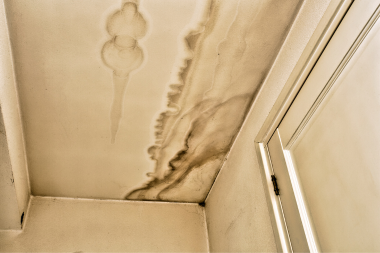
Water from a roof leak can damage ceilings, walls, insulation, and flooring. Handling interior damage promptly prevents mold and further deterioration:
- Dry the Area: Use fans and dehumidifiers to dry affected spaces.
- Remove Damaged Materials: Wet drywall, insulation, or carpeting may need replacement.
- Check for Mold: Inspect for early signs of mold and treat immediately if found.
Pro Tip: Even if the surface looks dry, moisture can remain trapped behind drywall or insulation. Professional moisture testing can confirm whether it’s truly safe to close things back up.
7. Prevent Future Leaks
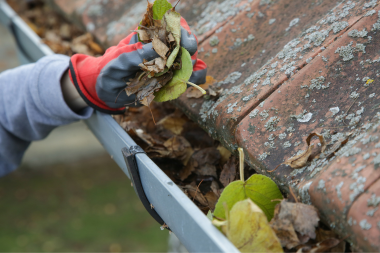
Once your leak is fixed, taking preventive roof maintenance steps can save you from future headaches:
- Regular Roof Inspections: Schedule inspections at least once a year, especially after storms.
- Gutter Maintenance: Keep gutters clean and ensure downspouts direct water away from the foundation.
- Seal Roof Penetrations: Ensure flashing around vents, chimneys, and skylights is intact.
- Trim Overhanging Branches: Prevent damage from falling limbs and debris accumulation.
Pro Tip: Most roof leaks start at seams and penetrations, not in the middle of shingles, so routine inspections can catch small issues long before they become costly repairs.
8. Understand Insurance and Warranties
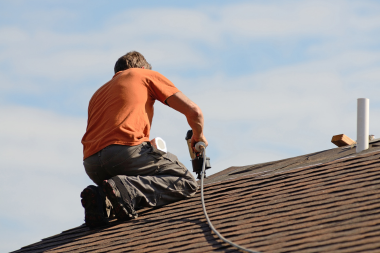
Roof repairs often involve insurance claims or manufacturer warranties. Knowing your coverage helps you avoid surprises:
- Document Repairs: Keep photos and receipts for insurance purposes.
- Review Coverage: Understand what your policy covers, including roof age limitations.
- Manufacturer Warranties: If your shingles or roofing system is under warranty, check what repairs are included.
Pro Tip: Contact your insurance provider before repairs begin. Some claims require documentation or approval upfront to ensure coverage isn’t denied later.
Next Steps to Repairing or Replacing Your Roof
A roof leak can escalate quickly if not addressed properly. Identifying the source, calling a licensed contractor, inspecting thoroughly, and documenting the damage ensure an effective repair.
At Custom Built Design & Remodeling, we guide Mid-Michigan homeowners through roofing issues with punctuality and transparency.
Contact our team today to schedule a professional inspection and protect your home from further damage.

Now that you know more about how to address a roof leak if it happens, let’s explore a deeper look into common roofing materials, the signs you may need a replacement, and roof design types to complement your home:
- Comparing Roofing Materials for Your Michigan Home - Learn more about the various roofing materials you can incorporate into your replacement project.
- 8 Signs You May Need a Roof Replacement in Michigan - Discover the key warning signs that indicate it’s time to replace your roof before small issues turn into costly problems.
- Comparing 3 Michigan Roof Design Types for Your Home - Explore the pros and cons of three popular roof styles to find the best fit for your Michigan home’s style, durability, and performance.
Topics: