
You’ve noticed some signs of wear on your roof. Maybe there’s a leak inside, or you’ve spotted missing shingles after a storm. You’re left wondering: Is it time to repair my roof, or do I need a full replacement? For many homeowners, a roof issue can feel like a big decision, both in terms of cost and potential future damage.
As a design-build firm with professional roofing replacement experience, we understand that the condition of your roof directly impacts your home’s safety and value. We’ve seen how even small issues, if left unchecked, can snowball into larger, more expensive problems. Our goal is to help you assess your roof’s condition with clarity and confidence, so you can make the best decision for your home.
In this article, we’ll walk you through the signs to look for, how age and roofing materials play a role in the decision, and how to determine whether a repair or full replacement is the best solution for your situation:
- 5 Clear Signs Your Roof May Need Attention
- Age and Material Considerations
- 3 Structural Warning Signs
- Repair vs. Replacement: How to Decide
5 Clear Signs Your Roof May Need Attention
Not every issue means a full replacement, but some are strong indicators. Here’s a breakdown of the signs to watch out for.
1. Curled Shingles
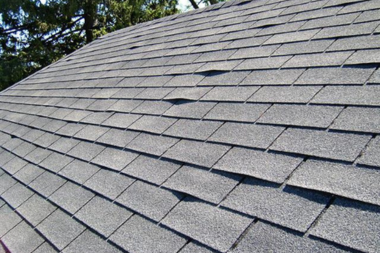
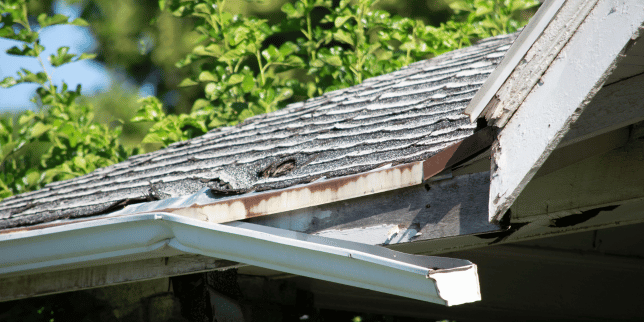
If your shingles are curling at the edges, this is a clear sign that they’re beyond their lifespan. Curled shingles can no longer effectively shed water, which means your roof will have a higher risk of leaks. This issue can lead to further problems like mold, rotting wood, and water damage if not addressed quickly.
Repair or Full Replacement?
In most cases, replace the shingles.
What to Do:
If the damage is isolated to a few shingles, a repair may suffice. However, if curling shingles are widespread, it’s a red flag that a full roof replacement is necessary to avoid costly water damage down the road.
2. Missing Shingles
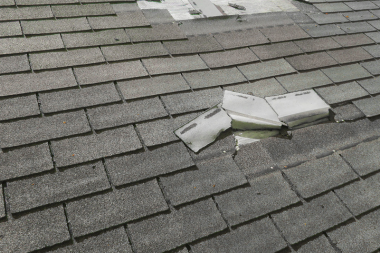
If you notice a few shingles missing after a storm, the roof may still be in good shape overall. However, if the roof is older and you’re seeing missing shingles in multiple areas, it’s a sign that your roof may no longer be able to protect your home properly.
Missing shingles expose the underlying roof deck to the elements, which could lead to leaks and further damage.
Repair or Full Replacement?
Depending on age and overall condition, this project could be a repair or replacement.
What to Do:
If the roof is relatively young and the damage is localized, you may be able to repair the issue. But if you’re noticing more missing shingles across the roof, especially in combination with other signs of wear, it may be time for a full replacement.
3. Shiny or Reflective Patches (Seen From the Ground)
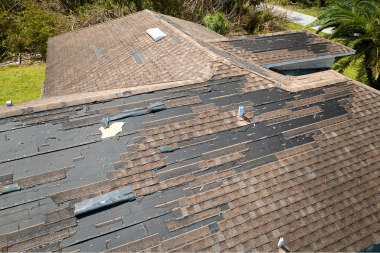
If you look up and see shimmering or reflective patches, that’s often a sign that the shingles have worn down and the fiberglass matting underneath is exposed. This indicates that the shingles are no longer capable of protecting your roof from water and that their effectiveness is compromised.
Repair or Full Replacement?
This typically means a full replacement.
What to Do:
At this point, the shingles have reached a stage where repair will not offer a long-term solution.
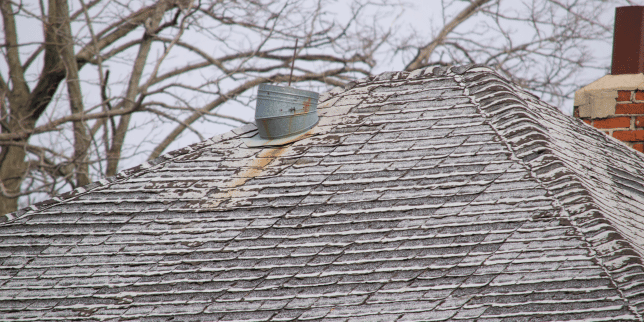
4. Granule Loss
PC: Dynasty Roofing
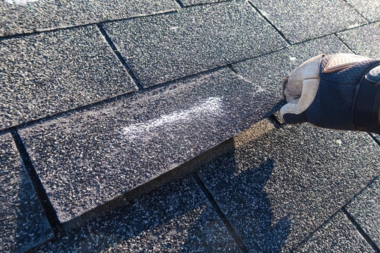
Granules are what protect the asphalt shingles from UV rays and the elements. If you’re finding granules in your gutters or downspouts, or if the shingles themselves look bald or exposed, that’s a strong sign that the roof is nearing the end of its life. Over time, granule loss can lead to leaks, further wear, and structural damage.
Repair or Full Replacement?
Often replacement, especially on older roofs.
What to Do:
Granule loss is often irreversible. If your roof is old and showing this damage, it’s time to replace it to ensure your home remains protected.
5. Water Stains on the Ceiling
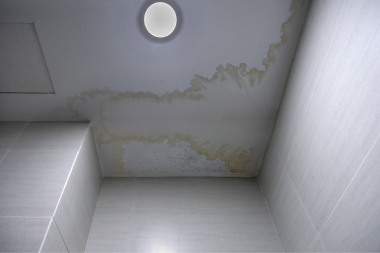
Water stains or discoloration on the ceiling are a sure sign that moisture is getting through your roof and into your home. It could be due to a failing roof, but it might also be caused by issues with your pipe boot, chimney flashing, or another part of your roofing system.
Repair or Full Replacement?
Could be repair or replacement, depending on the cause.
What to Do:
If you have water stains, the first thing you should do is have a professional inspect the roof to determine the cause of the leak. Sometimes, it’s as simple as replacing a pipe boot, while other times, the damage is extensive enough that you’ll need a full roof replacement.
Age and Material Considerations
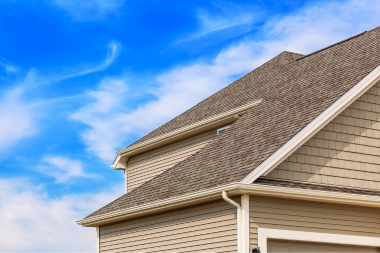
The age and material of your roof have a significant influence on whether it should be repaired or replaced. Here’s how:
Asphalt Roofs
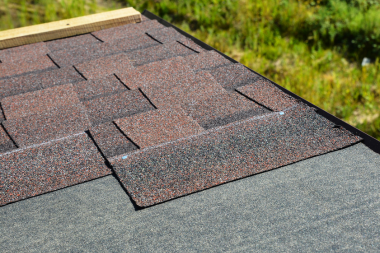
Asphalt shingles generally last 15-30 years, depending on quality and environmental conditions. As they age, they lose their ability to shed water, which can lead to leaks and further damage:
- 15-20 years old: Likely still repairable, but you should start considering a full replacement soon.
- 20+ years old: It’s time to start planning for a replacement, especially if you’re seeing any of the signs listed above.
What to Do:
If your asphalt roof is near the end of its life (over 20 years), it’s likely time to replace it. However, a few repairs may extend the life of the roof for a short time.
Metal Roofs
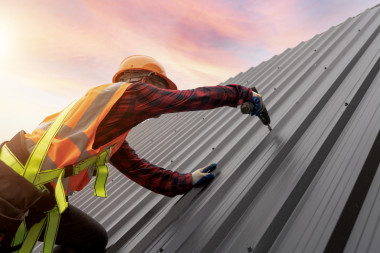
Metal roofs can last significantly longer than asphalt roofs, typically 40 to 70 years. However, they still experience wear and tear over time. Look for rough spots, rust, and loose panels, which are signs that the roof may need attention.
What to Do:
If your metal roof is showing signs of wear, it’s important to get a professional inspection. A small amount of rust or corrosion may only require localized repairs, but significant damage could mean it’s time for a full replacement.
3 Structural Warning Signs
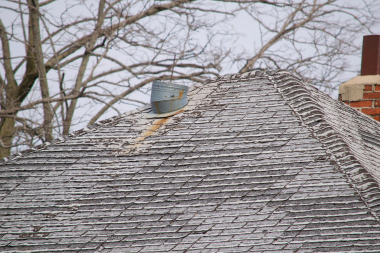
If you notice any of the following, it’s a sign that the roof is not just aging, but potentially compromised:
1. Sagging Roof Lines
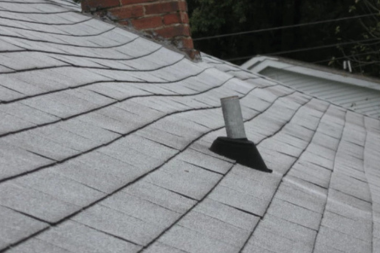
PC: Eason Roofing
If you see a sagging roof line, this could indicate structural damage. It could be due to poor roof support or the weight of accumulated snow or ice.
What to Do:
This is a serious concern that needs immediate attention. A sagging roof could indicate structural damage to the roof deck or support beams. A professional should assess the situation to determine whether repairs are sufficient or if a replacement is required.
2. A “Bouncy” Feel When Walking on It
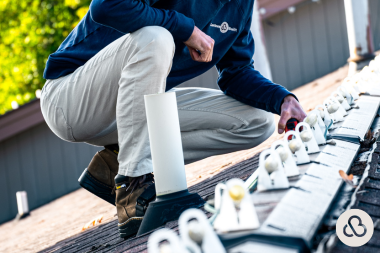
If you feel like the roof is soft or “bouncy” when walking on it, it could mean the decking has been compromised. This is a sign that the structural integrity of your roof is weakening.
What to Do:
If your roof feels spongy or gives way underfoot, it's time for an inspection. This is often a sign that the decking has deteriorated, which may require a full replacement.
3. Tree or Storm Damage
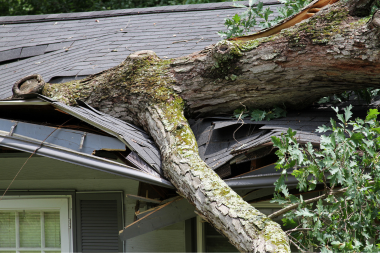
If a tree has fallen on your roof or your home has been affected by a major storm, it’s important to evaluate the damage inside and out. If rafters are split or there is significant structural damage, repairs might not be enough.
What to Do:
If the damage is severe, a full roof replacement is usually required. Even if the damage seems localized, you need to have the roof thoroughly inspected to assess any internal damage.
Repair vs. Replacement: How to Decide
When Repair Makes Sense:
- The roof still has 5+ healthy years left
- The damage is localized to one area or one side
- You’re on a tight budget, and the repairs will be temporary
- You’re planning to move soon, and the roof has a few good years left
Repairs can extend the life of the roof and delay a full replacement, but only for a short while.
When Replacement Makes Sense:
- The roof is nearing the end of its lifespan
- You have multiple failing areas on the roof
- You want to avoid water damage from future leaks
- The roof is putting your home’s value or your family’s safety at risk
A full replacement ensures long-term peace of mind and prevents the ongoing costs of repairs.
Next Steps to Repairing or Replacing Your Michigan Roof
Your roof’s condition is crucial to protecting your home, and knowing whether to repair or replace it can save you time and money.
By paying attention to signs of damage, considering the age and material of your roof, and evaluating structural issues, you can make an informed decision that ensures your home remains safe and secure.
At Custom Built Design & Remodeling, we specialize in both roof repairs and full replacements. We provide clear, honest evaluations to help homeowners choose the best course of action for their roofing needs, ensuring lasting protection for their homes.
If you're unsure about the state of your roof, reach out to a professional for a thorough inspection to help you decide on the right solution for your home.

Now that you know more about how to know if your roof needs repair or a full replacement, let’s explore why roofing inspections are important, the longevity of shingle roofs, and our in-house roofing services:
- Why Roofing Inspections Are Critical to Ensuring the Longevity of Your Roof - Learn how regular roofing inspections help catch issues early, extend your roof’s lifespan, and prevent costly repairs.
- What is the Longevity of a Shingle Roof in Michigan? - Discover how long a shingle roof typically lasts in Michigan and the factors that impact its durability over time.
- Custom Built Roofing Services - Explore how Custom Built Design & Remodeling provides roofing services focused on durability, proper installation, and long-term protection for your home.
Topics: