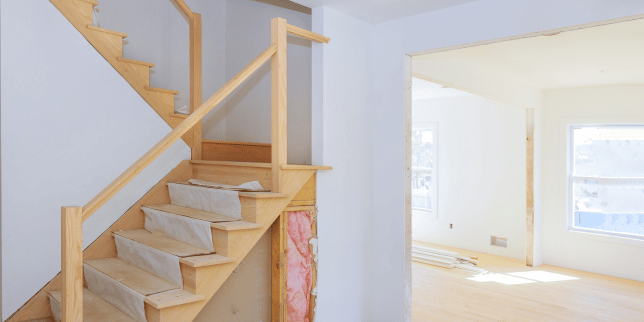
Spring is the season of renewal, making it the perfect time for homeowners to tackle remodeling projects. But with tight schedules, unpredictable weather, and the pressure to finish before summer, many rush into renovations, hoping to get everything done quickly. Unfortunately, this haste often leads to mistakes that can impact the design, budget, and overall satisfaction.
As a local design-build firm, we understand the excitement of wanting to enjoy a newly renovated space, but we also know the risks of rushing a remodeling project. With 20+ years of experience under our belt, we’ve seen firsthand how careful planning and realistic timelines can make all the difference in creating a successful project.
In this article, we showcase the key risks of rushing a spring remodeling project and how taking the time to plan thoughtfully can lead to better outcomes, fewer surprises, and greater long-term satisfaction:
- Limited Design and Planning Time
- Incomplete Budget Planning
- Permit and Inspection Delays
- Material Availability Issues
- Contractor Scheduling Challenges
- Increased Stress During the Project
- Potential Impact on Long-Term Satisfaction
1. Limited Design and Planning Time
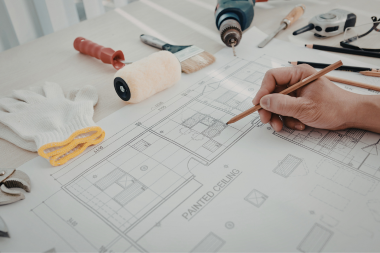
One of the biggest risks of rushing a spring remodeling project is not giving yourself enough time to think through the design.
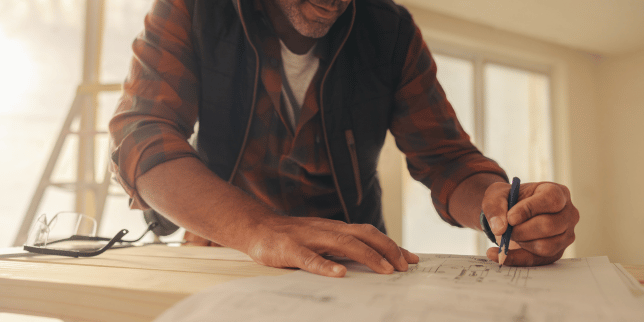
From a design perspective, moving too quickly can lead to decisions you may wish you had made differently. When timelines are compressed, you won’t always have the opportunity to “chew on” ideas, review multiple options, or refine details.
When that time is shortened, the design may still look great in renderings, but problems can surface during construction.
Rushing the design also means rushing the build plans. And when plans are rushed, contractors often pay for it during construction through delays, change orders, or unexpected complications.
Some projects naturally move faster. For example:
- Pull-and-replace decks
- Landscaping maintenance
- Projects with fewer trades
- Projects with fewer selections
But even in these situations, thoughtful planning is still essential.
Custom Built Scenario:
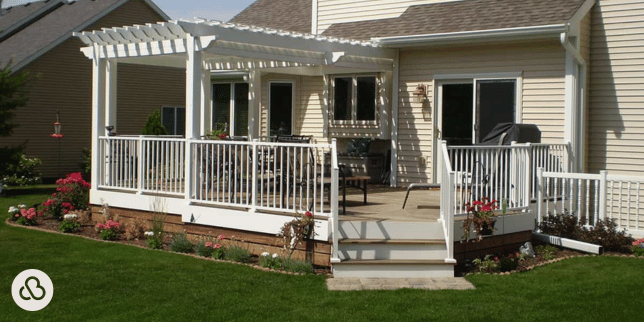
We worked with a client last year who wanted a new deck before their daughter’s graduation party. They had a tight timeline, but they trusted the process and committed to spending longer decision-making sessions upfront.
Instead of meeting for one hour at a time, they spent several hours in a single sitting to make bigger decisions. It worked, but expectations, trust, and planning were critical.
At Custom Built, we typically go through multiple passes on a design. This allows you to:
- Reflect on layout decisions
- Consider material options
- Review functionality
- Align design with budget
2. Incomplete Budget Planning

Another major risk of rushing a project is incomplete or inaccurate budgeting.
This often happens when contractors are trying to move quickly to secure the project. In some cases, this leads to:
- Overpromising
- Underestimating
- Using allowances instead of fixed pricing
Allowances, especially for kitchens, bathrooms, or whole-home remodels, often create a pathway to later cost increases. When pricing isn’t specific, you may see your budget rise during the agreement phase, or even during construction.
Even with strong planning, budget challenges can still arise. You might discover new selections you love during the design process. Sometimes those upgrades can add $10,000-$15,000 to a project.
Rushing this process increases the risk of surprises and financial stress.
How We Avoid Incomplete Budget Planning
That’s why we use multiple layers of support:
- Project Development Advisor managing the budget
- Designer curating selections within budget
- Transparent pricing throughout the process
At Custom Built, we operate using a fixed-price model. We also provide a budget range early in the process with a lower upfront investment so you can make informed decisions before committing.
3. Permit and Inspection Delays

Permits and inspections rely heavily on solid planning. When a project is rushed, plans may not be complete enough to pass inspections quickly.
For larger interior remodels, there are often multiple inspections, including:
- Framing inspections
- Electrical inspections
- Plumbing inspections
- Final inspections
If a project isn’t ready for inspection, it can create a domino effect:
- Inspections get pushed out
- Trades move to other projects
- Your schedule gets delayed
- Costs increase
How We Avoid Permit and Inspection Delays
At Custom Built, we schedule trades and gather bids ahead of time. Once a client signs, those schedules are locked in.
Because we operate on a fixed-price model, if delays happen due to planning issues, we absorb those costs, not you. Other contractors may request additional funds if timelines slip.
This is why planning upfront is so important, especially when trying to move quickly.
4. Material Availability Issues
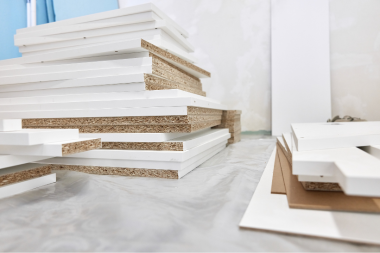
Spring is a busy season not only for contractors, but also for suppliers. Rushing a project may limit your material options.
For example:
- Cabinets often have multi-month lead times
- Specialty materials may require custom orders
- Certain finishes may not be readily available
When timelines are compressed, you may face difficult decisions:
- Choose something available instead of what you love
- Pay more to expedite materials
- Delay the project
How We Mitigate Material Availability Issues
We maintain strong relationships with vendors, which helps us stay flexible. Some suppliers even offer same-day deliveries when needed. But even with strong partnerships, lead times still matter, especially for interior projects.
Rushing the process can mean sacrificing either time, cost, or design preferences.
5. Contractor Scheduling Challenges

Rushing a project also creates significant scheduling challenges for contractors. Remodeling companies don’t have unlimited crews or endless hours in a day, so when a project timeline is compressed, they must adjust carefully to keep everything on track.
If you push for faster completion, contractors may need to:
- Pull team members from other projects, potentially delaying work elsewhere.
- Shift schedules, juggling multiple tasks and deadlines to accommodate the accelerated timeline.
- Work in phases, breaking the project into smaller segments to manage resources effectively.
For example, a crew might:
- Complete demolition on one project.
- Pause and move to another site to finish a different job.
- Return to the original project to continue construction once inspections or other dependencies are cleared.
This approach can work, but it requires strong project management and constant coordination. Without it, gaps in workflow or miscommunications can occur, slowing progress and creating frustration for both you and your contractors.
How We Avoid Scheduling Issues
At Custom Built, our Field Supervisors are key to maintaining continuity. They oversee the day-to-day progress, coordinate teams, and ensure quality control across all phases. This helps minimize the stress of compressed schedules and keeps projects moving efficiently, even when timelines are tight.
However, it’s important to note that rushing always increases pressure on the team, which can affect efficiency and, in some cases, the quality of the finished work. Contractors who lack robust scheduling systems or experienced leadership may struggle even more under these conditions, making careful planning essential before committing to a tight spring timeline.
6. Increased Stress During the Project
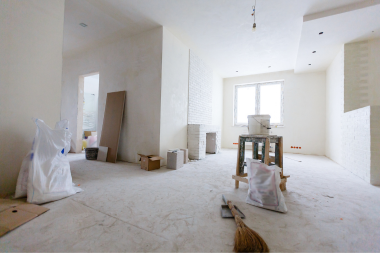
Rushing a project often increases stress for all involved remodeling stakeholders: you, designers, trade partners, and project managers alike. When timelines are compressed and expectations remain high, the entire process can feel more pressured and less collaborative.
Tight timelines combined with high expectations can create:
- Pressure to move faster
- Reduced creativity during design
- Greater risk of mistakes
- Less time to evaluate materials or layout decisions
- Increased communication challenges between teams
You are often already living through disruption during remodeling. Whether it's noise, limited access to parts of the home, or temporary lifestyle changes, the process naturally adds stress. When you layer a rushed timeline on top of that disruption, stress levels tend to increase even further.
How We Approach Stress
At Custom Built, we recognize that remodeling is both an emotional and logistical experience. That’s why we focus on reducing stress through clear communication, structured planning, and proactive problem-solving.
Our approach includes:
- Clear expectations upfront so homeowners understand timelines and next steps
- Regular project updates to eliminate uncertainty
- Defined decision deadlines that allow time for thoughtful choices
- Dedicated Field Supervisor oversight to keep the project organized and moving forward
- Proactive issue resolution to prevent small challenges from becoming larger problems
By creating structure and maintaining open communication, we help keep projects calm, organized, and focused, even when timelines are tighter. Trust also plays a major role here. Projects built on patience, transparency, and communication often lead to better outcomes.
When you:
- Trust the process
- Stay informed
- Allow thoughtful decision-making
You’re more likely to end up with a final product that truly fits your needs and expectations.
When stress dominates the process, creativity shrinks and mistakes become more likely. But when the process is structured and collaborative, even complex projects can feel manageable and far more rewarding when complete.
7. Potential Impact on Long-Term Satisfaction

The biggest risk of rushing a spring remodeling project is long-term dissatisfaction. When projects are hurried, many homeowners focus on getting things done quickly rather than fully considering what will serve them best in the long run.
It’s common to see homeowners finish a remodel and later realize:
- They wish they had chosen different materials that better fit their lifestyle or aesthetic.
- The layout doesn’t flow as well as they had hoped.
- Certain design elements could have been refined for better functionality or style.
These issues can turn what should be an exciting home upgrade into a source of frustration or regret. That’s why planning, decisiveness, and trust are critical for a successful project.
Your best approach, even with an abridged spring timeline, is to:
- Have a clear plan upfront: Define your goals, priorities, and must-haves before construction begins.
- Be honest about your budget: Understand what’s realistic for your vision and where you can be flexible.
- Communicate your hopes and goals: Keep your contractor informed about your style, lifestyle, and long-term needs.
- Choose a contractor you trust: Working with a team that understands your expectations and communicates clearly can prevent costly mistakes and stress.
How We Guarantee Long-Term Satisfaction
At Custom Built, long-term satisfaction starts with a thoughtful and structured process. Even when timelines are tighter, we focus on making sure decisions are made carefully and that homeowners feel confident throughout the project.
Our approach includes:
- Dream, Design, Build Process: We take time upfront to understand your goals, preferences, and how you plan to use the space long-term.
- 3D Renderings and Visual Planning: Seeing your space before construction helps refine layouts, materials, and design details before work begins.
- Clear Decision Milestones: We guide you through selections at the right time to avoid rushed decisions later in the project.
- Experienced Project Oversight: Field Supervisors review progress and ensure the build aligns with your vision and expectations.
- Ongoing Communication: Regular updates and check-ins help address concerns early and keep your project aligned with your goals.
This structured approach helps homeowners make confident decisions, even on tighter schedules, reducing the likelihood of regrets after the project is complete.
When these elements are in place, even a remodel on a tighter timeline can produce results that you’ll love for years, avoiding the pitfalls of rushed decision-making while still taking advantage of the spring season
Next Steps to Remodeling Your Home During the Warmer Months
Rushing a spring remodel can lead to design regrets, budget surprises, inspection delays, and unnecessary stress.
By prioritizing thorough planning, clear communication, and realistic timelines, you protect your investment and ensure a smoother remodeling experience.
At Custom Built Design & Remodeling, our structured process, experienced team, and transparent approach help Michigan homeowners achieve beautiful, functional spaces without the pitfalls of a rushed project.
Start your remodel right by scheduling a consultation with our team. We’ll guide you through planning, budgeting, and designing a project you’ll love for years to come.

Now that you know more about the risks of rushing a spring remodeling project, let’s explore how we keep spring remodels on track, the best materials for outdoor living projects, and our full-service remodeling projects:
- How Custom Built Helps Keep Spring Remodels on Track: A Guide from a Michigan Home Remodeling Expert - Learn how we keep spring remodeling projects on track with proactive planning, clear communication, and a proven design-build process tailored for Michigan homeowners.
- 16 Best Materials for Spring Deck Builds and Outdoor Living Projects - Explore the top decking, railing, and outdoor living materials to consider this spring, along with how each option impacts durability, maintenance, and overall design.
- Custom Built Design-Build Remodeling Services - Learn how Custom Built Design & Remodeling delivers a streamlined design-build process that simplifies planning, improves communication, and keeps your remodeling project on track from start to finish.
Topics: