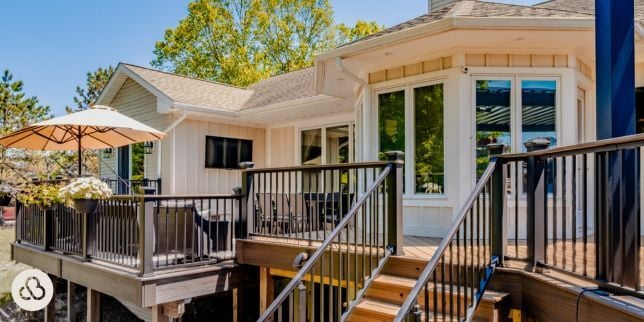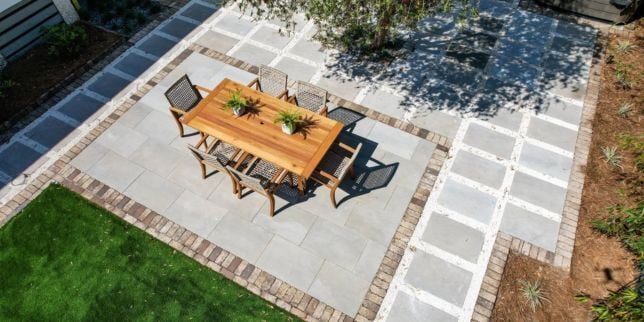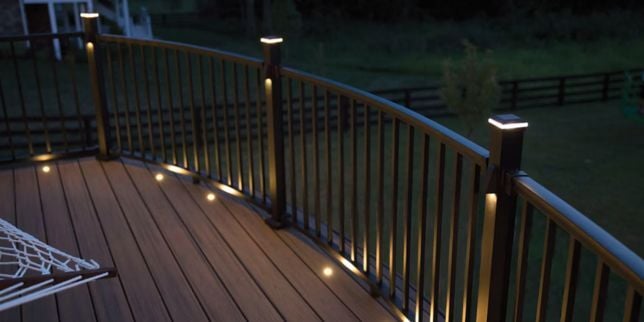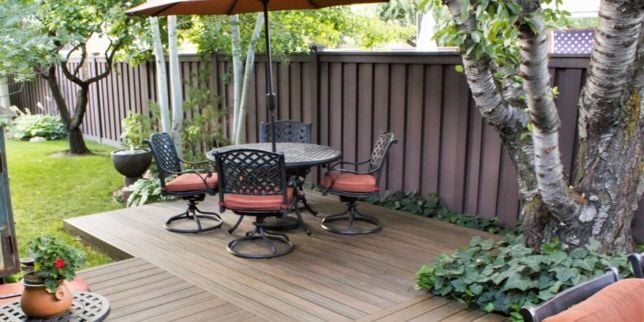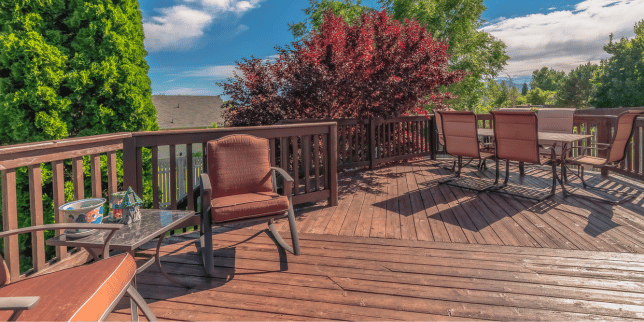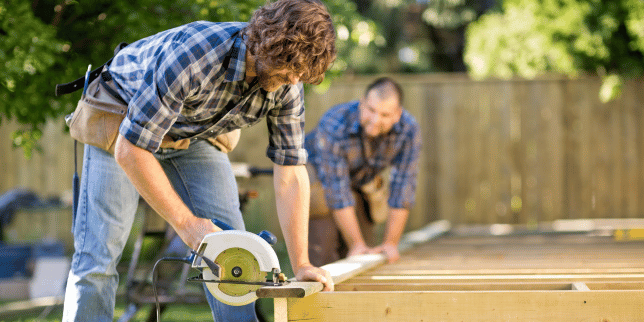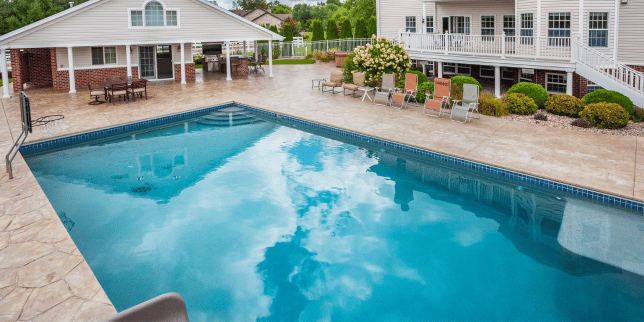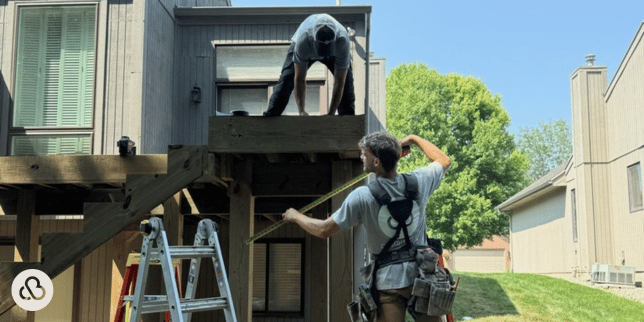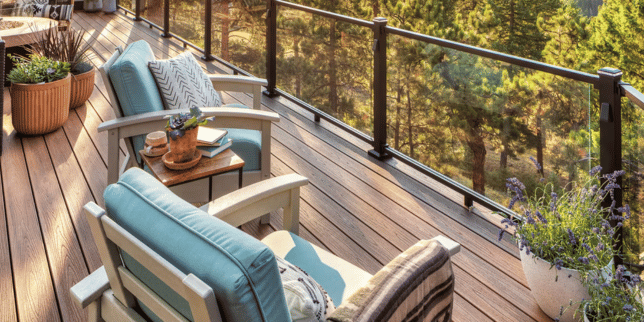

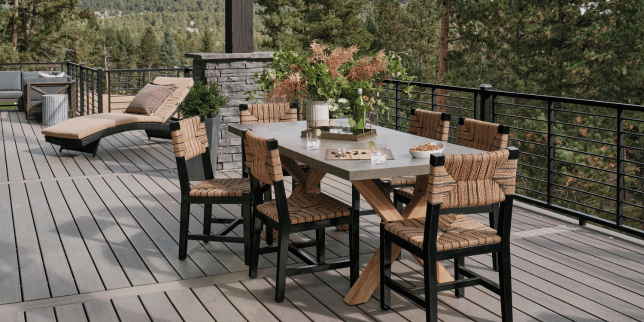
After a long Michigan winter, many homeowners begin thinking about new decks, upgraded patios, and outdoor spaces where they can relax, entertain, and spend more time outside. But one of the most important decisions early in the process is choosing materials that will perform well in Michigan’s changing seasons.
At Custom Built, we’ve helped homeowners across Mid-Michigan and Northern Michigan select materials that balance durability, maintenance, and long-term value. With over 20 years of experience, we’ve seen how different decking, railing, and outdoor living materials hold up against snow, moisture, temperature swings, and heavy use.
In this guide, we’ll walk through the best materials for spring deck builds and outdoor living projects, including decking, railings, outdoor flooring, and furniture, so you can make confident decisions for your outdoor space:
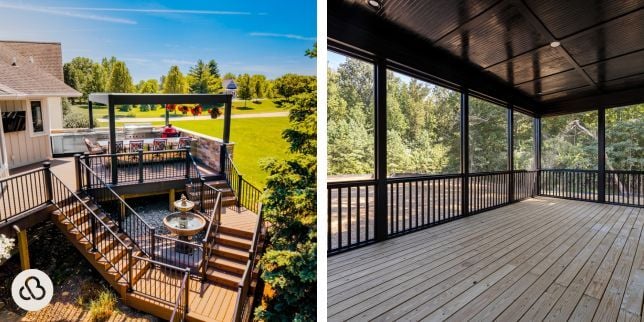
Header PC: Trex
Decking Materials
Composite Decking
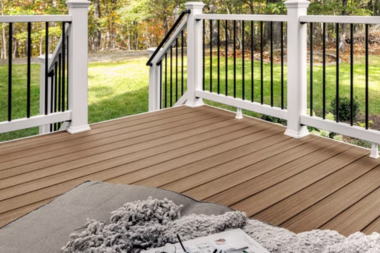
PC: Trex
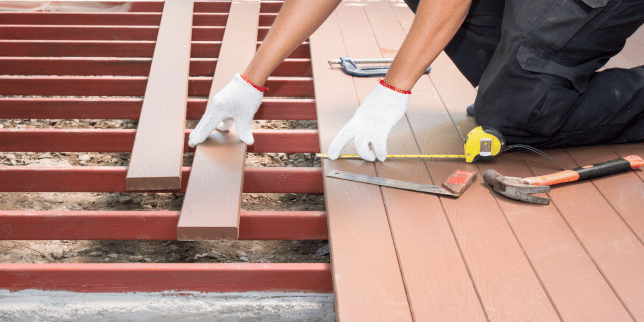
Composite decking has become one of the most popular choices for modern outdoor living spaces. Today’s composite materials are far more advanced than the products available 10 to 15 years ago, offering improved durability, better aesthetics, and significantly lower maintenance.
Why Homeowners Choose Composite Decking
- 50-year material warranties for fading, warping, or chipping
- Extremely low maintenance; typically just rinse with a hose and keep the surface clean
- Resistant to moisture, insects, and weather damage
- Performs well in both wooded areas and full sun environments
- Wide variety of colors, textures, and finishes available
- Photo-finished materials that replicate the look of natural wood
- Heat-reflective options to reduce surface temperatures in direct sun
Not all composite decking is created equal. Different manufacturers offer different warranty coverage, performance levels, and aesthetics. Doing your homework and working with an experienced contractor can help ensure you’re selecting a product that performs well long-term.
Composite Decking Tiers
Basic Composite
- Waffle-bottom design
- Less material used
- More affordable option
- Limited color and finish options
Enhanced Composite
- More detailed wood grain textures
- Multi-color finishes
- Higher-end appearance
Full Solid Composite
- Solid construction with no waffle bottom
- Increased durability
- Improved structural performance
- Premium long-term option
Why Trex Composite Decking Stands Out
Trex continues to lead the composite decking industry, offering strong warranty support and reliable product performance. As a Trex Platinum Installer, Custom Built also provides:
- An additional 10-year labor warranty
- Premium installation standards
- Manufacturer-backed peace of mind
If anything goes wrong within the first decade, the deck can be repaired or replaced at no cost to the homeowner. Trex is also known for standing behind their warranties without requiring complicated claim processes.
Best For
Composite decking is ideal for:
- Homeowners wanting minimal maintenance
- Long-term homeowners
- Families who frequently entertain outdoors
- Decks exposed to sun, moisture, or wooded environments
Pressure-Treated Wood
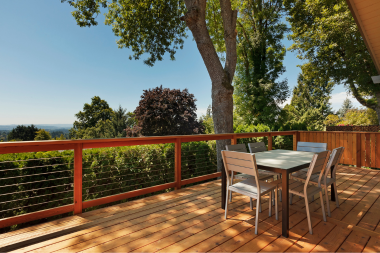
Pressure-treated wood remains a common deck material, primarily because of its affordability.
Why Homeowners Choose Pressure-Treated Wood
- Most cost-effective upfront option
- Traditional wood appearance
- Widely available materials
- Easy to repair or modify
However, pressure-treated wood requires regular maintenance to maximize lifespan.
Maintenance Considerations
To maintain longevity, pressure-treated decks should be:
- Sanded
- Stained
- Sealed
- Cleaned regularly
Without proper maintenance, pressure-treated decks may develop:
- Splinters
- Warping
- Cracking
- Premature deterioration
Without maintenance, a pressure-treated deck may last around 10 years instead of 30+ years with other materials.
Some homeowners enjoy maintaining their deck and prefer the hands-on aspect, making pressure-treated wood a good fit in those situations.
Best For
- Budget-conscious homeowners
- DIY homeowners who enjoy maintenance
- Short-term homeowners
- Traditional deck designs
Hardwood Decking (Ipe, Mahogany, Cedar)
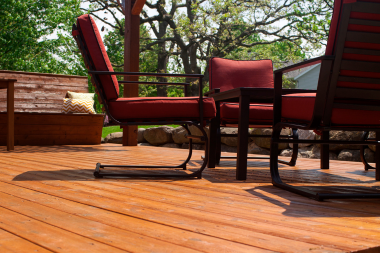
Hardwood decking offers a natural wood appearance with improved durability over pressure-treated lumber.
Cedar Decking
Cedar is one of the most popular premium wood options in Michigan.
Key Benefits
- Naturally resistant to moisture and insects
- Performs well in Michigan weather
- Doesn’t require long drying time after installation
- Natural appearance that ages beautifully
Cedar tends to hold up well to weather and offers a high-end natural look, though it comes at a higher cost compared to pressure-treated lumber.
Mahogany Decking
Mahogany provides a refined, durable hardwood option.
Key Benefits
- Dense hardwood material
- Rich natural color
- Durable with proper maintenance
- Ideal for premium outdoor spaces
Ipe Decking
Ipe is one of the most durable hardwood decking options available.
Key Benefits
- Extremely dense hardwood
- Long lifespan
- Naturally resistant to weather and insects
- Premium natural appearance
Hardwood decking is ideal for homeowners who want a true wood deck with improved longevity.
PVC or Vinyl Decking
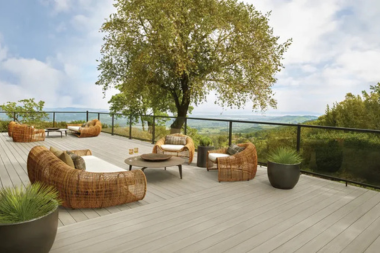
PC: TimberTech
PVC decking is another synthetic decking option that some homeowners consider.
Key Benefits
- Low maintenance
- Clean, modern appearance
- Matches vinyl fencing or privacy walls
Considerations
- Hollow material construction
- Can crack in cold temperatures if heavy objects are dropped
- Expensive to repair or replace
- Not recommended for building structures on top, such as:
- Sunrooms
- Covered porches
- Walls
Best For
- Matching vinyl exterior elements
- Low-maintenance decorative decks
- Light-use deck areas
Railing Materials
Wood Railings
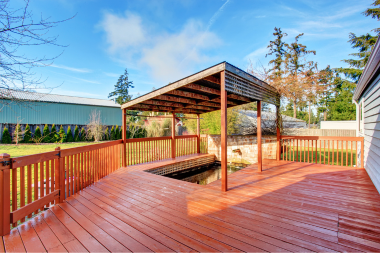
Wood railings are a classic, budget-friendly option that pairs naturally with traditional deck designs and offers strong customization in profile, finish, and stain color. Choosing cedar for the handrails adds meaningful longevity, though the material does require consistent upkeep to perform well over time.
Key Benefits
- Natural, classic appearance that complements wood decking
- Highly customizable in profile, finish, and stain color
- Cedar handrails offer improved resistance to moisture and decay
Considerations
- Requires regular staining or sealing every few years
- More susceptible to rot, warping, and splintering than composite or aluminum
- Higher long-term maintenance commitment compared to other railing materials
Best For
- Pressure-treated wood decks
- Traditional and farmhouse-style designs
- Budget-friendly projects where some maintenance is acceptable
Aluminum Railings
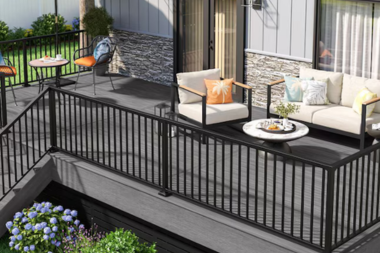
PC: Lowe’s
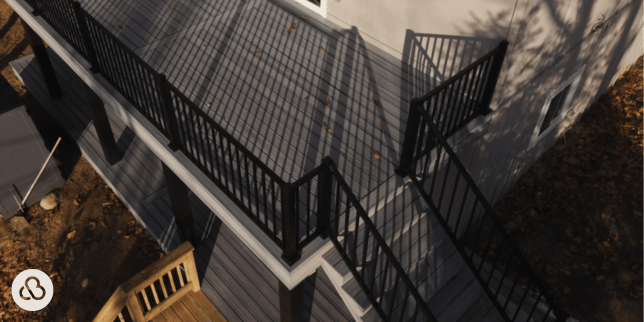
Powder-coated aluminum railings have become the dominant railing choice for homeowners across the country, and the numbers reflect it: in many cases, 9 out of 10 decks are built with aluminum railings.
Key Benefits
- Virtually maintenance-free once installed
- Rust-resistant and highly durable in Michigan's climate
- Long lifespan with minimal upkeep costs over time
- Available in a wide range of styles, colors, and finishes
Considerations
- Can feel less warm or natural compared to wood railings
- Higher upfront cost than wood railing systems
- Limited customization compared to wood in terms of profile shaping
Best For
- Homeowners who want a low-maintenance railing solution
- Modern, contemporary, and transitional deck designs
- Waterfront properties, golf course homes, and decks with scenic backyard views
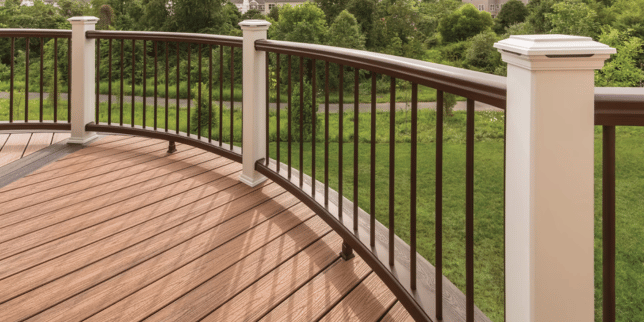
Composite Railings
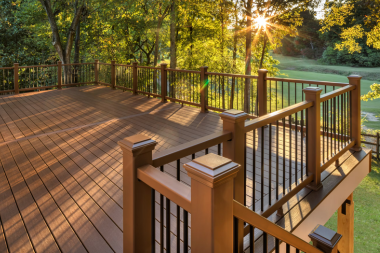
PC: Trex
Composite railings bring together the aesthetic appeal of wood and the resilience of engineered materials into a single, cohesive railing solution. When paired with composite decking, they create a unified outdoor space where every element, from the deck boards to the top rail, shares the same color palette, texture, and finish quality.
Key Benefits
- Rot-resistant, splinter-free, and requires no annual staining or sealing
- Available in a wide range of colors and finishes to suit different design styles
- Cocktail railing option adds a functional wider top surface ideal for entertaining
Considerations
- Higher upfront cost compared to wood railings
- Color and style options are tied to specific decking product lines
- Can feel warmer to the touch than aluminum in direct summer sunlight
Best For
- Composite deck builds where a coordinated, finished look is a priority
- Homeowners who entertain frequently and want added surface space
- Low-maintenance outdoor living spaces built for long-term durability
Glass Panel Railings
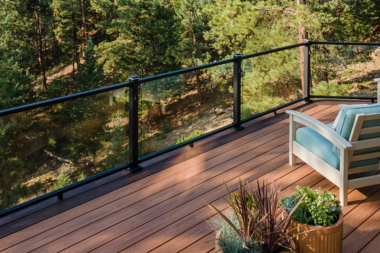
PC: Trex
Glass panel railings represent one of the most dramatic upgrades you can make to an elevated deck, fundamentally changing how the space feels by removing visual barriers between you and your surroundings.
Key Benefits
- Preserves unobstructed sightlines and maximizes views
- Sleek, modern appearance that complements contemporary home designs
- Rain-resistant coatings available to reduce water spots and cleaning frequency
- Structurally strong aluminum framing that meets safety code requirements
Considerations
- Higher material and installation cost than wood or aluminum railings
- Glass panels require periodic cleaning to maintain a clear, polished appearance
- May not suit traditional or rustic home styles
Best For
- Elevated decks with scenic views worth preserving
- Modern and contemporary home designs
- Homeowners who prioritize aesthetics and are willing to invest in premium materials
Cable Railings
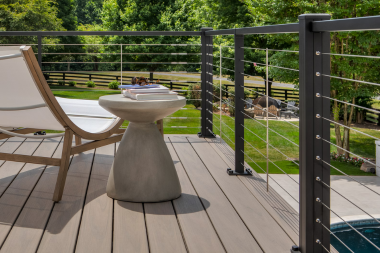
PC: Trex
Cable railings have carved out a strong following among homeowners who want their deck to feel distinctly different from the standard options found in most neighborhoods. The horizontal stainless steel cables create a visual rhythm that is both structured and open, allowing air, light, and sightlines to pass through freely while still providing a code-compliant barrier.
Key Benefits
- Open, minimalist design that preserves views and sightlines
- Durable stainless steel construction resists rust and weathering
- Safe and code-compliant for families with children
- Adjustable cable tension ensures a clean, taut appearance over time
Considerations
- Higher installation cost and complexity compared to traditional railing systems
- Cables may require periodic tension adjustments over time
- Horizontal cable spacing must meet local building code requirements for child safety
Best For
- Modern and contemporary deck designs
- Elevated decks with views worth preserving
- Homeowners who want a unique, design-forward railing system
White PVC Railings
PC: TimberTech
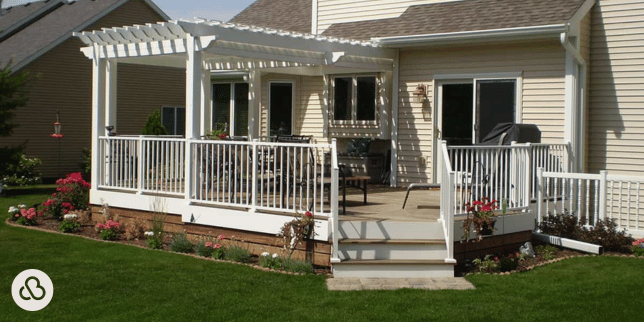
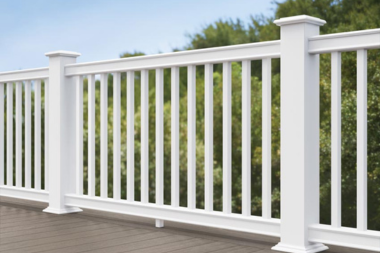
White PVC railings have a long history in residential construction, and their crisp, clean appearance continues to appeal to homeowners who want a classic look without a significant material investment.
Key Benefits
- Clean, classic white appearance suits a variety of home styles
- Lightweight construction makes installation straightforward
- More affordable upfront than aluminum or composite railing systems
Considerations
- Hollow construction makes them less structurally durable than aluminum
- Prone to cracking and brittleness in cold Michigan temperatures
- May discolor or yellow over time with prolonged UV exposure
Best For
- Budget-conscious projects where cost is the primary consideration
- Traditional and colonial-style home designs
- Projects in mild climates or covered outdoor spaces with limited weather exposure
Outdoor Flooring Alternatives
Stone Pavers
PC: The Spruce
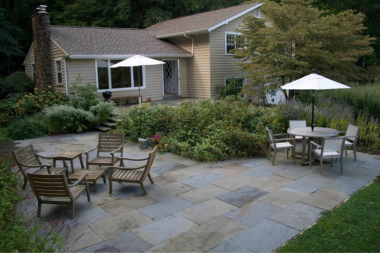
Stone pavers have long been the gold standard for outdoor hardscaping, prized for the way they combine timeless visual appeal with the kind of structural integrity that holds up through decades of use.
Key Benefits
- Exceptionally long-lasting and durable when properly installed
- Enormous variety of stone types, colors, sizes, and laying patterns
- Natural appearance adds significant curb appeal and property value
- Ideal for patios, walkways, fire pit areas, and pool surrounds
Considerations
- Higher material and labor costs compared to concrete alternatives
- Requires professional installation for best long-term results in Michigan's climate
- Weeds can grow between pavers without proper joint sand or polymeric filler
Best For
- Homeowners investing in a premium, long-lasting outdoor living space
- Patios, walkways, and fire pit areas where aesthetics are a top priority
- Properties where natural materials complement the home's architectural style
Stamped or Colored Concrete
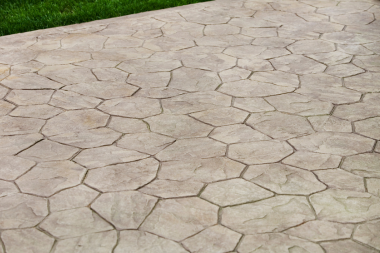
Stamped concrete has become one of the most popular patio solutions for homeowners who want a high-end look without the price tag that comes with natural stone or brick.
Key Benefits
- Achieves the look of stone, brick, or tile at a lower cost
- Wide range of custom colors, patterns, and decorative designs available
- Can be poured efficiently over large patio areas
Considerations
- Requires periodic sealing and maintenance to preserve color and finish
- Can be slippery when wet depending on the texture and finish chosen
- Cracks can develop over time, particularly in Michigan's freeze-thaw climate
- Not ideal for pool surrounds or other high-moisture areas
Best For
- Homeowners who want a decorative patio surface on a moderate budget
- Large patio areas where natural stone or pavers would be cost-prohibitive
- Covered or semi-covered outdoor spaces with limited exposure to ice and snow
Brushed Concrete
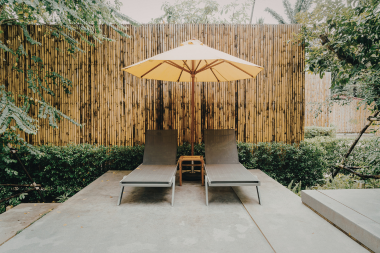
Brushed concrete is one of those materials that earns its place through pure dependability. It is not the most visually striking option on the list, but it consistently delivers where performance and safety matter most.
Key Benefits
- Slip-resistant textured surface improves safety in wet conditions
- One of the most cost-effective outdoor flooring options available
- Durable and long-lasting with minimal maintenance requirements
Considerations
- Limited decorative appeal compared to stamped concrete or pavers
- Surface texture can be rough underfoot for bare feet around pool areas
- Like all concrete, susceptible to cracking in Michigan's freeze-thaw cycles
Best For
- Pool decks, outdoor showers, and lakefront properties where slip resistance is critical
- Large surface areas where budget efficiency is the primary concern
- Utilitarian spaces where function is prioritized over aesthetics
Outdoor Furniture & Fixtures
Trex Outdoor Furniture
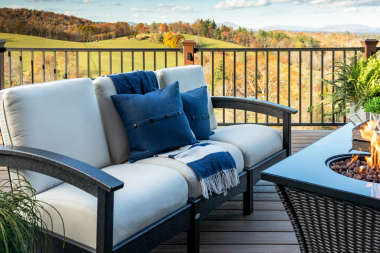
PC: Trex
Trex has taken the same engineering philosophy behind its industry-leading composite decking and applied it to a full line of outdoor furniture and accessories that are built to thrive in the conditions that cause traditional outdoor furniture to fail.
Key Benefits
- Built from durable composite materials that resist fading, staining, and moisture
- Coordinates seamlessly with Trex decking and railing systems
- Privacy walls available in 8 to 16 foot heights for added comfort and seclusion
- Virtually maintenance-free compared to wood or fabric outdoor furniture
Considerations
- Higher upfront cost compared to standard outdoor furniture brands
- Style options are tied to the Trex product line and may have limited variety
- Heavier than aluminum furniture, making seasonal storage more demanding
Best For
- Homeowners who have invested in a Trex deck and want a fully coordinated outdoor space
- Low-maintenance outdoor living setups built for year-round Michigan weather
- Entertaining spaces where built-in benches, planters, and privacy walls add function
Teak Furniture
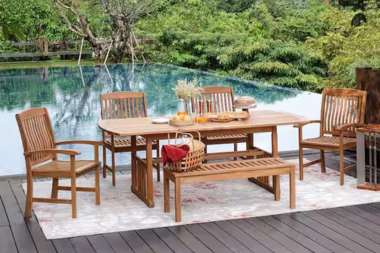
PC: The Home Depot
Teak's reputation as the pinnacle for outdoor furniture is rooted in centuries of real-world performance. It was the wood of choice for ship decks long before it became a fixture of high-end outdoor living spaces.
Key Benefits
- Naturally resistant to moisture, rot, and insects without chemical treatment
- Exceptionally durable hardwood that lasts decades with proper care
- Develops a distinguished silver-gray patina over time if left untreated
- Requires minimal maintenance compared to other wood furniture options
Considerations
- Premium price point, it’s one of the most expensive outdoor furniture materials available
- Heavier than aluminum, making it less practical to move or store seasonally
- Teak oil treatments are needed if you want to preserve the original warm brown color
Best For
- Homeowners investing in premium, long-lasting outdoor furniture
- Traditional, coastal, and natural design aesthetics
- Outdoor dining sets and seating areas are intended for decades of use
Aluminum Furniture
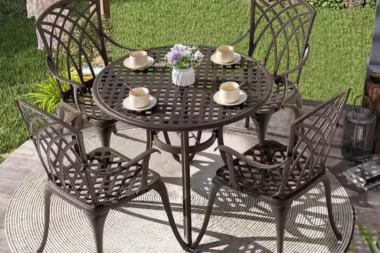
PC: The Home Depot
Aluminum outdoor furniture has earned its status as one of the most practical choices for Michigan homeowners by consistently delivering on the qualities that matter most in a climate defined by seasonal extremes.
Key Benefits
- Rust-resistant and highly durable in Michigan's variable climate
- Lightweight construction makes it easy to move, rearrange, and store seasonally
- Available in a wide range of styles and powder-coated color options
- Low maintenance with no painting, staining, or sealing required
Considerations
- Can feel less substantial or premium compared to teak or cast iron furniture
- Lighter-weight options can make it susceptible to shifting in high winds
Best For
- Michigan homeowners who want durable, low-maintenance outdoor furniture
- Decks and patios where furniture is moved or rearranged frequently
- Modern, contemporary, and transitional outdoor living designs
Weather-Resistant Fabrics
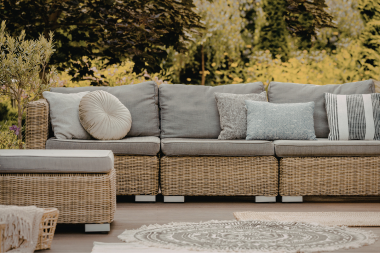
The outdoor fabric category has advanced significantly over the past decade, moving well beyond the basic vinyl and polyester materials that dominated earlier generations of patio furniture.
Key Benefits
- Engineered to resist fading, mildew, and moisture absorption
- Performs significantly better than standard fabrics in outdoor conditions
- Available in a wide range of colors, patterns, and textures to suit any design style
Considerations
- Weather-resistant does not mean weatherproof; prolonged exposure will shorten lifespan
- Cushions and fabric accessories must be stored indoors during Michigan winters
- Lower-quality weather-resistant fabrics may fade or deteriorate faster than advertised
Best For
- Patio cushions, umbrellas, and outdoor drapes on covered or semi-covered decks
- Homeowners who want design flexibility without sacrificing outdoor durability
- Seasonal outdoor spaces where furniture is regularly maintained and properly stored
Next Steps to Building or Remodeling Your Outdoor Living Project During the Warmer Months
Selecting the right materials is key to ensuring your spring deck or outdoor living project is durable, low-maintenance, and built to last in Michigan’s diverse climate.
Whether you opt for composite decking, pressure-treated wood, or stone pavers, the materials you choose will impact the longevity and beauty of your outdoor space.
At Custom Built, we specialize in helping homeowners find the perfect materials for their deck and outdoor living projects, backed by our years of expertise and commitment to quality.
Ready to get started on your outdoor project? Contact Custom Built today for a consultation and let us help you create a space that fits your lifestyle and stands the test of time.

Now that you know more about the best materials for spring deck builds and outdoor living projects, let’s explore the best outdoor living projects to plan this season, if spring is the most expensive time for a remodel, and our full-service deck-building services:
- Top 8 Outdoor Living Projects to Plan This Spring - Discover eight outdoor living projects to plan this spring, from decks and patios to pergolas and outdoor kitchens, so you can make the most of your space when warmer weather arrives.
- Is Spring the Most Expensive Time for a Home Remodeling Project? - Explore how seasonal demand, scheduling availability, and project planning can influence remodeling costs and whether spring is the right time to start your project.
- Custom Built Deck-Building Services - From design to construction, we create durable, beautiful decks tailored to your home, lifestyle, and budget while guiding you through every step of the process.