
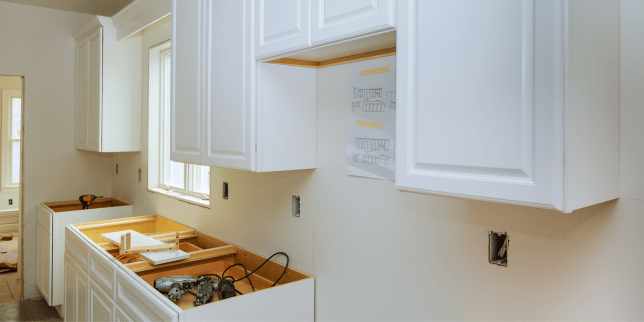
Remodeling your kitchen is exciting, but it comes with a big challenge most homeowners don’t anticipate: living without a kitchen for weeks or even months. Mornings, meals, and family routines all rely on this central space, and suddenly losing it can throw your household into temporary chaos.
At Custom Built Design & Remodeling, we’ve guided hundreds of families through this exact experience. We understand the frustration of doing dishes in a bathroom sink, figuring out where to prep meals, or finding space for the family to eat together. We know what it’s like when your home’s command center is temporarily gone, and we’ve learned how planning and communication can make all the difference.
In this article, we’ll walk you through what living without a kitchen really feels like, what challenges to expect, and practical steps to prepare your household:
- Your Home Loses Its Command Center
- Set Up Temporary Features
- Expect Simple Tasks to Take Longer
- Family Members Scatter
- Convenience Becomes a Priority
- You May Feel Like You’re “In the Way”
- Indoor Hosting Pauses Completely
- Patience Gets Tested
- The House Feels Temporarily Unfinished
1. Your Home Loses Its Command Center
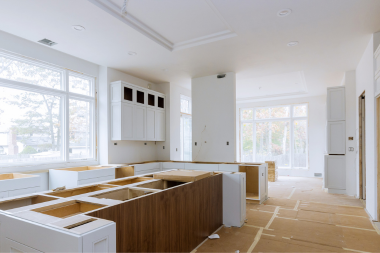
The kitchen is more than a cooking space. It’s the command center for your household; the landing spot for keys, backpacks, mail, and notes, the place where mornings start, and the hub where meals, conversation, and daily routines flow.
When it’s unavailable, that rhythm disappears, and even simple actions, like grabbing coffee or dropping off keys, take extra thought.
To keep your household functioning during the remodel, consider creating temporary systems in another area of your home.
These systems include:
- Setting up a small table or desk in a living room or dining area to serve as a central drop-off spot.
- Using a basket or tray to organize keys, wallets, backpacks, and other daily essentials.
- Communicating with your family about where items will live while the kitchen is unavailable.
By planning these small adjustments in advance, you maintain some structure while your kitchen is out of commission.
2. Set Up Temporary Features
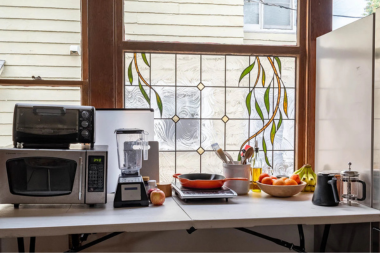
PC: The Gold Hive
A temporary kitchen setup allows you to continue meal prep and basic household functions even when your permanent space is under construction. Without the usual counters, sink, and appliances, you’ll need to recreate some elements of a functioning kitchen.
Important considerations for a temporary setup include:
- Folding table and chairs to create prep and dining space.
- Refrigeration solutions, such as a mini-fridge, cooler, or garage fridge for essentials.
- Counter space for meal prep and workspace.
- Sink solutions, like using a utility sink, bathroom sink, or temporary dishwashing station.
- Disposable or minimal dishes to simplify cleanup.
Additional tips:
- Keep frequently used items in bins or baskets for easy access as work progresses.
- Pre-plan meals that require minimal prep and cleanup.
- Label storage containers for clarity to reduce stress for the entire family.
3. Expect Simple Tasks to Take Longer

Tasks that once felt automatic, like washing dishes or making coffee, will take longer without your normal kitchen setup. The lack of a designated cooking triangle (fridge, sink, and stove) changes the flow of your daily routine.
Key examples and tips:
- Dishwashing may require using a bathroom sink and a separate drying area.
- Coffee and tea preparation may require a hot plate or microwave in a non-kitchen area.
- Cooking will feel slower without your organized stovetop, oven, and counter space.
Additional strategies:
- Set up a dedicated “coffee station” with your kettle, coffee maker, and mugs.
- Focus on simple, one-pot meals that require minimal prep.
- Allow extra time for morning routines. Things will take longer than usual.
4. Family Members Scatter

Without a functional kitchen, daily routines and family dynamics shift. Open-concept kitchens where everyone gathers at the island or counter may no longer work. Kids may need to eat in their rooms, and high chairs or shared seating areas may need to be relocated.
How to maintain family connections during this period:
- Use folding tables or portable dining setups to encourage family meals.
- Create zones for snacks and meals, especially for children who have structured eating routines.
- Keep essentials (napkins, plates, cups) accessible in these zones to maintain organization and efficiency.
Even small adjustments can help families maintain connection and routines while the kitchen is unavailable.
5. Convenience Becomes a Priority

Meal prep and dining habits will change while your kitchen is out of commission. Planning for convenience ensures the family can still function smoothly.
Considerations for temporary meal prep and storage:
- Plan to eat out more frequently or budget for delivery.
- Relocate microwaves, hot plates, or small appliances to temporary spaces.
- Utilize alternate kitchens, such as a basement kitchenette, finished pole barn, or secondary fridge.
- Focus on simple meals, such as sandwiches, salads, or one-pot dishes, that require less cleanup.
Planning ahead for these changes allows you to maintain a level of convenience and keeps stress levels manageable during the remodel.
6. You May Feel Like You’re “In the Way”

Feeling like a bystander is common during a remodel. You may worry about micromanaging or being intrusive, but a professional contractor team will guide the process appropriately.
Here’s how to stay informed without hovering:
- Ask your builder how updates are shared (daily logs, photos, or notes).
- Discuss access, communication, and boundaries during the preconstruction meeting.
- Share concerns about any processes that feel intrusive, so adjustments can be made.
A transparent team allows you to trust the process and reduces the feeling that you need to oversee every step.
7. Indoor Hosting Pauses Completely

Without a functional kitchen, hosting meals and gatherings may be difficult or require significant adaptation. Holidays, birthday parties, and other events need to be planned around construction timelines.
Tips for managing hosting during a remodel:
- Ask your builder for a realistic start and finish timeline.
- Adjust parties or meals around construction schedules.
- Set up temporary dining areas for special events, including folding tables and extra seating.
Even though hosting will be challenging, temporary adjustments ensure your household can continue to function until the remodel is complete.
8. Patience Gets Tested
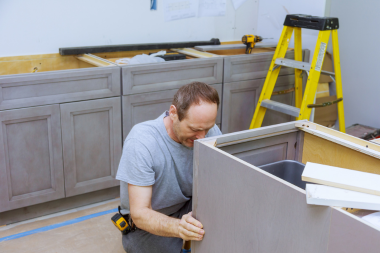
Remodeling is a partnership, and even with a professional team, challenges are inevitable.
Common issues:
- Unforeseen conditions discovered during demo.
- Weather delays, material shortages, or scheduling conflicts.
- Complex work sequencing that extends timelines.
Best practices for navigating delays:
- Understand that schedules are guides, not guarantees.
- Maintain open communication with your team about concerns.
- Focus on the end goal: a functional, beautiful kitchen that will serve your family for years.
9. The House Feels Temporarily Unfinished
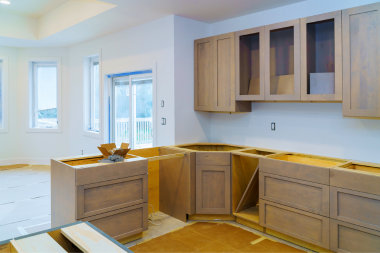
Expect noise, mess, and exposed walls or floors. Full remodels, especially with layout changes, create an “unfinished” environment for a period. Pull-and-replace projects are quicker, but every remodel disrupts the home’s normal flow.
Practical suggestions:
- Use plastic sheeting or temporary barriers to protect other areas of the home.
- Mentally prepare for a temporary period of disruption. The transformation is worth it.
Next Steps to Remodeling Your Kitchen
Living without a kitchen during a remodel is challenging. Your routines, family dynamics, and daily habits will all be disrupted.
By planning temporary setups, adjusting routines, and maintaining open communication with your contractor, you can navigate these challenges with confidence and reduce stress.
At Custom Built Design & Remodeling, we guide homeowners through every step of the process, helping families stay organized, informed, and supported while their kitchen is being transformed.
Book a free consultation with a project advisor to discuss your kitchen remodeling goals and how we can help streamline your experience.

Now that you know more about what living without a kitchen is really like during a remodel, let’s explore how to improve your kitchen remodeling experience, how much your project will cost, and how long it’ll take to finish with Custom Built:
- 10 Ways to Improve Your Kitchen Remodeling Experience - Discover effective strategies to make your kitchen renovation a more satisfying journey.
- How Much Does a Luxury Kitchen Remodel Cost in Lansing, Michigan? - Explore cost estimates, a budget breakdown, and factors that affect the cost of your luxury kitchen remodel.
- How Long Does a Luxury Kitchen Remodel Take to Get Finished with Custom Built? - A high-level overview of how long your project will take to complete during Custom Built’s Proven Process.
Topics: