
Building a new deck is exciting, but once construction begins, many homeowners are surprised by how much is happening day to day. Between crews on-site, changing weather, inspections, and visible progress that doesn’t always look “finished,” the deck build experience can feel overwhelming if you don’t know what to expect.
At Custom Built Design & Remodeling, we’ve guided families across Mid-Michigan and Northern Michigan through hundreds of deck builds. We know that a smoother experience starts with understanding the process, not just the final result. Our team believes informed homeowners feel more confident, make better decisions, and enjoy the journey as much as the finished space.
In this article, we’ll walk you through what the deck build experience actually looks like and share ten practical ways to prepare, so you can move through construction with clarity and confidence:
- Understand the Overall Build Timelines
- Expect Progress to Happen in Phases
- Prepare for Temporary Noise and On-Site Activity
- Understand How Weather Can Affect the Schedule
- Be Ready for Decisions During Construction
- Plan for Yard Use and Temporary Disruptions
- Communicate Early and Often
- Trust the Process, Even When It Feels Messy
- Prepare for the Final Walkthrough
- Shift from Construction Mode to Enjoyment Mode
1. Understand the Overall Build Timeline
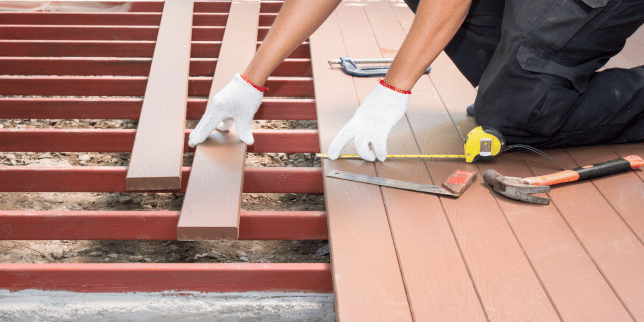
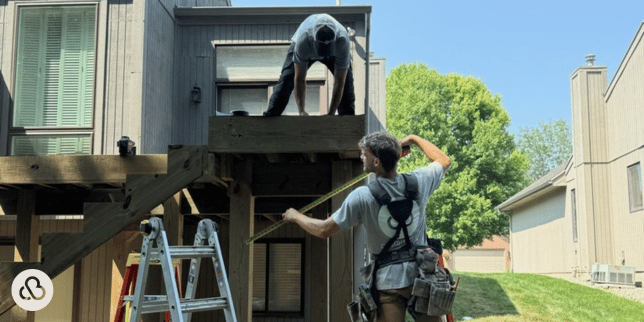
Before construction starts, it’s helpful to understand how a deck build progresses from start to finish. While no two projects are identical, most follow a predictable sequence. Knowing this upfront helps you stay oriented throughout the build and prevents unnecessary concern when progress doesn’t look linear.
Typically, a deck build lasts around 6 to 12 weeks, with the design and construction processes taking 4 to 8 weeks and 2 to 8 weeks, respectively.
What the deck build timeline usually includes:
- Site preparation and layout verification
- Framing and structural construction
- Decking, railings, and stair installation
- Final details, cleanup, and walkthrough
2. Expect Progress to Happen in Phases
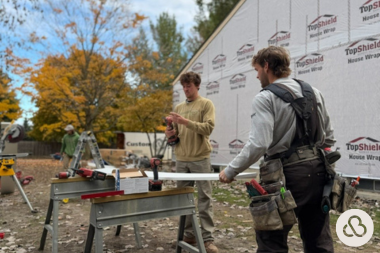
During a deck build, progress doesn’t always look dramatic from day to day. Some phases focus on structure and safety rather than appearance, which can make it feel like progress is slow, even when important work is underway.
Understanding this ahead of time will help you stay patient and confident in the process.
What to keep in mind during phased progress:
- Structural work may not look “finished” right away
- Certain steps must happen before others can begin
- Inspections can temporarily pause visible progress
3. Prepare for Temporary Noise and On-Site Activity
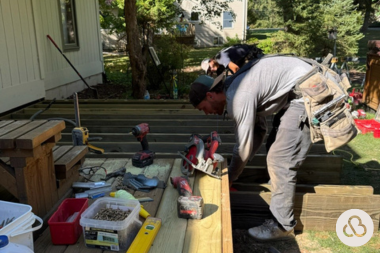
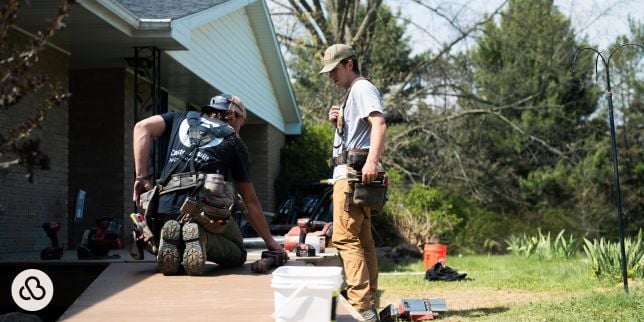
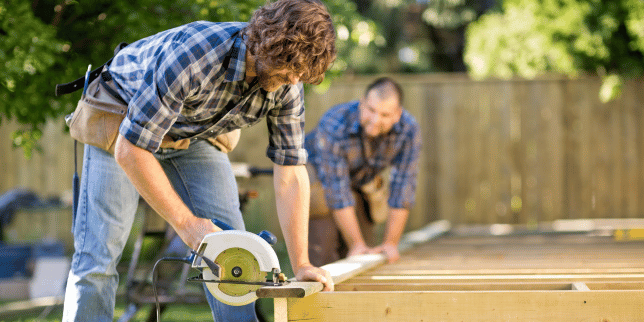
A deck build brings crews, tools, and materials to your property. While this activity is temporary, it can disrupt normal routines if homeowners aren’t expecting it.
Planning ahead allows you to adjust schedules and reduces frustration during construction days.
Typical activity you may notice during the build:
- Early start times on scheduled workdays
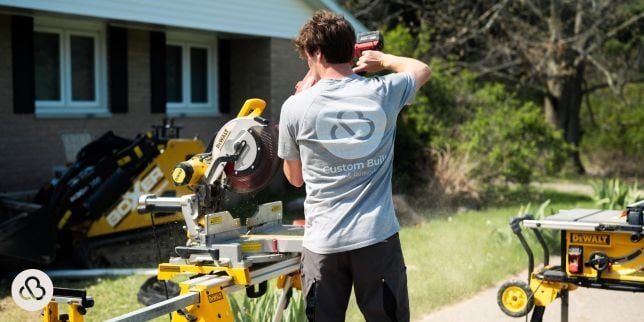
- Periods of increased noise from tools
- Crew movement around the exterior of your home
4. Understand How Weather Can Affect the Schedule
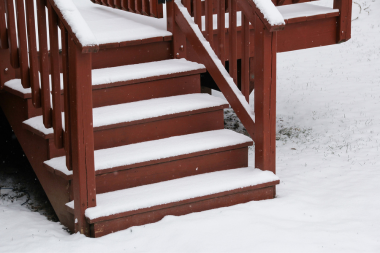
Because decks are built outdoors, weather plays a major role in scheduling. Even with careful planning, conditions like rain or extreme temperatures can cause adjustments.
Knowing this upfront helps you view delays as a quality safeguard rather than a setback.
How weather can influence the build:
- Wet conditions may pause framing or decking
- High heat or wind can limit safe work hours
- Schedule adjustments protect materials and craftsmanship
5. Be Ready for Decisions During Construction
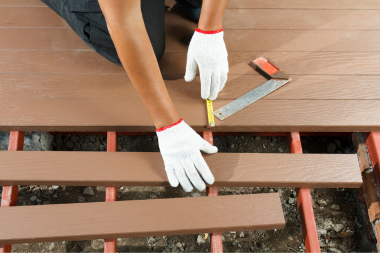
Even with thorough planning, some decisions naturally arise once construction is underway. On a deck project, that could mean deciding whether to replace additional framing due to hidden rot, upgrading footings to meet current code, reinforcing the structure for heavier features like a hot tub, selecting alternative decking materials due to availability, or addressing unexpected grading or drainage concerns.
Being prepared to respond quickly, and understanding how those decisions affect cost, timeline, and long-term durabilitym helps keep the project on track.
These moments are normal and often involve fine-tuning details to ensure the final deck meets expectations.
More decisions that may come up during the build:
- Confirming railing, stair, or layout details
- Adjusting plans and approving change orders due to site conditions
- Reviewing placement or transitions
6. Plan for Yard Use and Temporary Disruptions
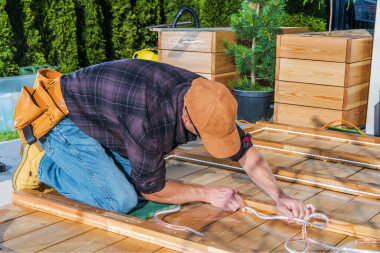
Your yard becomes an active worksite during a deck build. Materials need space, tools need access, and crews need room to work safely.
Understanding this ahead of time helps homeowners set realistic expectations for outdoor use during construction.
What to expect around your property:
- Temporary material storage in the yard
- Limited access to certain outdoor areas
- Minor, repairable impact to landscaping
- A designated storage location for waste, including demo’d decking materials
7. Communicate Early and Often
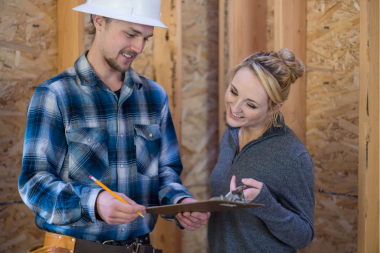
Clear communication is one of the most important factors in a smooth deck-building experience. When you know who to contact and feel comfortable asking questions, small concerns don’t turn into big frustrations.
Best practices for communication during the build:
- Know your primary point of contact
- Ask questions as they arise
- Share concerns early, not after the fact
8. Trust the Process, Even When It Feels Messy
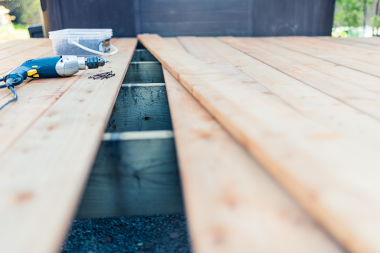
Construction isn’t always clean or quiet, and there may be moments when your yard looks worse before it looks better. This is a normal part of building something permanent and well-constructed.
Keeping the long-term outcome in mind makes the experience easier to navigate.
Helpful reminders during construction:
- Temporary disruption leads to lasting value
- Quality craftsmanship takes time
- Each phase builds toward the final result
9. Prepare for the Final Walkthrough
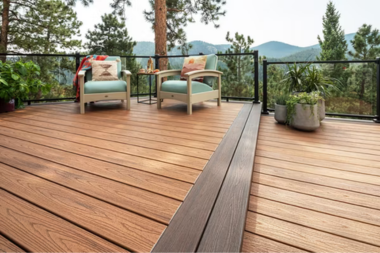
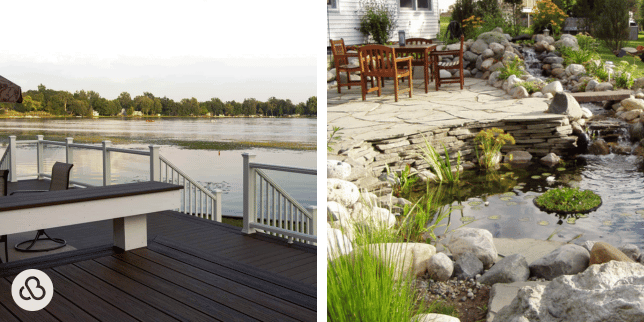
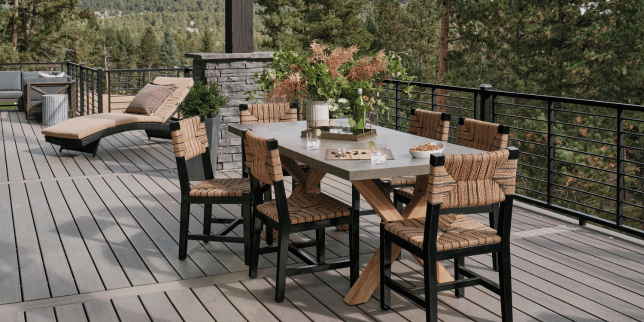
PC: Trex
As construction wraps up, your builder will review the completed deck with you. This final step ensures everything functions properly and meets expectations.
What the final phase typically includes:
- A detailed walkthrough of the finished deck
- Review of safety features and craftsmanship
- Care and maintenance guidance
10. Shift from Construction Mode to Enjoyment Mode
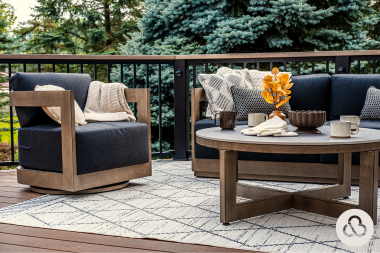
Once the build is complete, the focus shifts from process to enjoyment. Taking time to plan how you’ll use your new deck helps you fully appreciate the experience from start to finish.
Next steps after the build:
- Furnish and personalize the space
- Learn basic care recommendations
- Start enjoying outdoor time with family and friends
Next Steps to Building or Remodeling Your Deck
A deck build is more than a construction project; it’s a process with multiple phases, moving parts, and moments that can feel unfamiliar if you’re not prepared.
By understanding what happens during each stage of the build, you can approach the experience with confidence, knowing what to expect and why each step matters.
At Custom Built Design & Remodeling, we guide homeowners through the deck-building process with clear communication, thoughtful planning, and craftsmanship that lasts.
If you’re considering a new deck, schedule a free consultation with our team to talk through your goals, timeline, and what your deck build experience could look like from start to finish.

Now that you know more about the ways to prepare for your deck build, let’s explore how much composite decks cost, the top differences between Trex and wood decking, and Trex’s high-quality composite lines:
- How Much Do Composite Decks Cost in Lansing, Michigan? - An overview of how much your Lansing composite deck will cost and the factors that will influence your price.
- Top 10 Differences Between Trex Composite and Wood Decking Material - Learn more about the basic yet essential differences between Trex composite and wood decking when choosing your deck’s materials.
- Comparing Trex Lineage, Transcend, Select, and Enhance Composite Decking Lines - Explore our thorough comparison of Trex’s most common composite decking options, including cost, colors, and benefits.