

Planning a home remodel is exciting, but comparing contractor bids can quickly feel overwhelming. Many homeowners get multiple estimates and focus only on the bottom line, without realizing that not all bids are created equal. Differences in scope, materials, labor, and project management can make a cheaper bid more expensive (or stressful) over time.
As a longstanding home remodeling company, we’ve guided homeowners in the Greater Lansing and Northern Michigan areas through a wide range of remodeling projects, from kitchen renovations to full home additions. We understand the challenges of evaluating bids and want to help you make informed decisions that save money, time, and frustration.
In this guide, we’ll break down how to compare contractor bids step by step, so you can choose the right team for your project with confidence and clarity.
- Review the Scope of Work and the Blueprints/Plans
- Compare Labor, Material, and Subcontractor Costs
- Evaluate Service and Project Management
- Analyze Material Selections and Quality
- Evaluate the Timeline
- Check for Allowances and Contingencies
- Identify Potential Additional Costs
- Verify License, Insurance, and Company Structure
- Review Warranties and Guarantees Carefully
- Evaluate Communication and Professionalism During the Bid Phase
- Trust Your Gut (But Do Real Due Diligence)
1. Review the Scope of Work and the Blueprints/Plans

If you don’t fully understand what’s being built, you can’t accurately compare bids. Everything starts here.
Scope of Work
The scope of work is a written narrative explaining exactly what will be completed. It’s typically broken down into divisions of labor, such as framing, electrical, plumbing, insulation, drywall, cabinetry, flooring, and more.
A strong scope should clearly describe:
- What is being demolished
- What is being built
- What materials are being used
- What finishes are included
- What is specifically excluded
An example of a written narrative might look like:
- Frame new 2x4 wall at 16” on center.
- Install one 3068 pre-hung solid core door, painted white.
- Run new 20-amp electrical circuit to serve kitchen outlets.
- Install 12x24 porcelain tile with Schluter waterproofing system.
Notice the detail. If a scope simply says “frame wall” or “install windows,” that’s not enough. What kind of framing? What brand of windows? What material?
Without detail, you’re guessing.
Plans and Construction Drawings
Plans should support the scope. These may include:
- Demo page
- CRS (construction requirement sheet)
- Floorplans
- Elevations
- 3D renderings
- Structural drawings
If different contractors are bidding from different plans, or no plans at all, the estimates will not be comparable.
Selections Sheet
This is one of the most important documents and is often overlooked.
A selection sheet should list:
- Plumbing fixtures (brand + model number)
- Faucet selections
- Cabinet style and finish
- Flooring material
- Tile system (Schluter vs. Durarock, for example)
- Paint colors
- Vendor/supplier information
If the estimate does not call out specific products, you don’t know what you’re getting.
Why This Matters
If you don’t have your head around your project, contractors will fill in the blanks themselves. And they may all fill them in differently.
- One contractor may include premium finishes.
- Another may include builder-grade.
- One may specify a full waterproofing tile system.
- Another may not.
You may choose a lower bid and later realize it didn’t include the finishes you assumed were standard.
That’s where frustration begins.
2. Compare Labor, Material, and Subcontractor Costs

Once you confirm that everyone is bidding on the same scope and materials, you can compare numbers.
Labor
Most contractors will not give a detailed labor breakdown. They’ll give you a total number.
That’s normal.
But you still want to ask:
- Is project management included?
- Are licensed trades handling electrical and plumbing?
- Is this an in-house crew or fully subcontracted?
Materials
When comparing materials, ask yourself:
- Are they bidding the same floor plan?
- The same heating system?
- The same cabinetry brand?
- The same faucet?
If not, the totals mean nothing. Without a centralized plan and a material selection sheet, you’re comparing different specifications.
Subcontractors
Subcontractors are an integral part of the remodeling process and should be included in the bid language. While reviewing options, ask yourself:
- Are reputable subcontractors being used?
- Are they insured?
- Are they paid on time?
You may not see this in a bid, but it affects quality and schedule.
Why This Matters
If everyone is working from:
- The same plans
- The same scope
- The same selection sheet
Then you can truly compare bids. If not, you're not comparing price; you're comparing entirely different projects.
3. Evaluate Service and Project Management

Price is only part of the equation. Service is the other half.
When reviewing bids, ask:
- Who will manage my project day-to-day?
- Will I need to coordinate subcontractors?
- Do you provide design guidance?
- Will someone help curate materials, or will I be driving all over town?
- What happens if something goes wrong?
You won’t fully know how the service will feel until you’re in the middle of construction. That’s the reality.
Some homeowners sign contracts and later realize:
- The contractor isn’t organized.
- The subcontractors aren’t managed well.
- Communication is poor.
- Problems are slow to be addressed.
Then the homeowner is stuck holding the bag. Management matters more than most people realize.
4. Analyze Material Selections and Quality
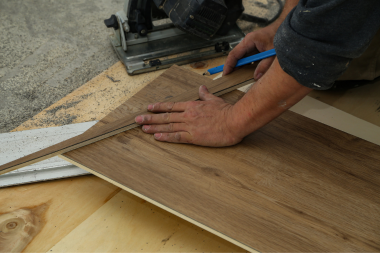
This ties back to the selection sheet.
Ask directly:
- Is this bid based on allowances or actual products?
- Are model numbers listed?
- Are finishes clearly specified?
If one contractor bases their tile system on Schluter and another on Durarock, the prices will be different. That doesn’t mean one is wrong, but they are not equal.
If the bid is based on allowances without selections made, you could have three contractors assuming three completely different quality levels.
That’s why product clarity is critical.
5. Evaluate the Timeline
Most contractors will give you a verbal timeline during the bidding process. Be realistic: at this stage, they haven’t fully engineered your project yet. It’s hard to give a perfect timeline after one or two meetings.
But ask:
- Do you have a scheduling process?
- How do you determine project length?
- What factors commonly cause delays?
- When could you realistically start?
The confidence and clarity in their answer will tell you a lot.
6. Check for Allowances and Contingencies

Allowances are placeholders. They are not final prices.
Ask:
- Is this allowance realistic for what I want?
- What happens if I exceed it?
- Is this product already selected or assumed?
If you haven’t selected materials yet, it’s nearly impossible to compare bids accurately.
Contingencies are also important:
- What happens if hidden structural damage is found?
- Was that something that should’ve been caught during design?
- Is there a process for change orders?
Without clarity, additional costs can pile up quickly.
7. Identify Potential Additional Costs

Some costs, like hidden structural issues, plumbing repairs, or electrical upgrades, may not be known until construction begins; that’s normal.
However, many “surprise” costs come from unclear project scope. For example:
- The type of flooring or tile isn’t specified
- Plumbing fixtures or faucets aren’t listed by brand or model
- Cabinetry or countertop materials aren’t detailed
- Appliance allowances aren’t included
If it’s not spelled out in writing, assume it’s not included in the estimate, and that cost could fall on you.
This is why a design-first approach makes bid comparison much easier:
- Complete construction plans, including floorplans, elevations, and demo pages
- A full written scope of work
- A detailed selection sheet listing every material, finish, and product location
When three contractors bid on the exact same, fully specified project, you get a true apples-to-apples comparison. Even then, service, communication, and project management quality won’t be fully known until work begins.
8. Verify License, Insurance, and Company Structure

At this stage, you’ve reviewed scope, pricing, materials, and timelines. Now it’s time to look at the stability and legitimacy of the company itself.
This part isn’t flashy, but it’s critical.
You’re not just hiring someone to install cabinets or frame a wall. You’re entering into a legal agreement with a company that will be responsible for your home, your money, and potentially months of disruption to your daily life.
Before signing anything, you need to be confident that the company is properly structured and protected.
Ask directly:
- Are you properly licensed for this type of work in my area?
- Do you carry general liability insurance?
- Do you carry workers’ compensation insurance?
- Can you provide proof of both?
Then dig deeper into how the company operates:
- Is this a one-person operation or a structured team?
- Who handles project management?
- Who handles accounting and subcontractor payments?
- If the owner gets sick or injured, who takes over the project?
- Are subcontractors paid promptly?
If you’re investing a significant amount of money into your home, you want to know the business is stable. A well-structured company dramatically reduces your risk.
9. Review Warranties and Guarantees Carefully
Most homeowners glance at the warranty and move on. That’s a mistake.
Warranties aren’t just marketing language; they’re legal commitments. And they vary more than people realize.
Some contractors advertise warranties on their website that are not clearly spelled out in the contract. Others mention “one-year warranty” verbally without detailing what that actually covers.
Before signing, ask for the full contract and read the warranty section carefully.
Look for clarity around:
- What is covered
- What is excluded
- How long coverage lasts
- What the process is for submitting a claim
- Who is responsible for manufacturer warranties versus labor warranties
And remember this: a warranty is only as good as the company behind it.
If a contractor disappears, changes phone numbers, or doesn’t respond to service calls, the written warranty won’t help much. Follow-through matters just as much as the wording.
10. Evaluate Communication and Professionalism During the Bid Phase

The bidding phase is your preview of what working with this contractor will feel like. This is when they are trying to earn your business, which means you’re seeing them at their most attentive.
Pay attention to the details:
- Are they organized?
- Are their documents clean and professional?
- Are they proactive or reactive in communication?
Consider:
- Are calls and emails returned promptly?
- Are answers clear or vague?
- Do they explain things patiently?
- Do they provide written documentation?
- Do they show up on time?
If communication feels disorganized now, it will not improve once construction begins.
Professionalism during the estimate process is often a strong indicator of how the job will be managed.
11. Trust Your Gut (But Do Real Due Diligence)

Even after reviewing documents, warranties, and timelines, there’s still an intangible element: trust.
Hiring a remodeling contractor is similar to hiring a coach or business partner. Large organizations spend enormous resources vetting leadership and management. As a homeowner, you typically have a few meetings and a proposal.
You won’t truly know what the experience will feel like until work begins. That’s why you need to combine intuition with verification.
Before making your final decision:
- Ask for recent referrals (not just long-time favorites).
- Call past clients and ask how they handled communication and problem-solving.
- Verify recent project activity.
- Look at current reviews, not just older testimonials.
- Ask direct questions about challenges and how they were resolved.
If something feels off, explore it. Ask more questions. Your gut instinct is valuable, but back it up with real evidence.
When you’re investing heavily in your home, taking extra time up front can save you significant stress later.
Next Steps to Remodeling Your Home
Comparing remodeling contractor bids isn’t just about the price; it’s about understanding scope, materials, labor, and how the project will be managed.
By reviewing detailed plans, analyzing material selections, evaluating timelines, and asking about communication and warranties, you can make informed decisions and avoid surprises during your remodel.
At Custom Built, we help homeowners navigate this process, ensuring bids are comparable and projects run smoothly from start to finish.
Schedule a consultation with our team to review your project, discuss bids, and get expert guidance to move forward with confidence.

Now that you know more about how to compare home remodeling contractor bids, let’s explore three pricing models to look for while comparing quotes, how long it should take to get a quote back from your contractor, and our full-service remodeling projects:
- Navigating Remodeling Quotes: A Deep Dive into Three Pricing Models - Explore the pros and cons of three common remodeling pricing models to make informed decisions for your project.
- How Long Should It Take to Get a Quote Back From Your Contractor? - Learn what a reasonable timeline looks like when waiting for a detailed contractor quote and what factors can affect it.
- Custom Built’s Remodeling Services - Discover all of Custom Built Design & Remodeling’s services, from kitchens and bathrooms to additions, decks, and whole-home remodeling, designed to help you plan your next project with confidence.