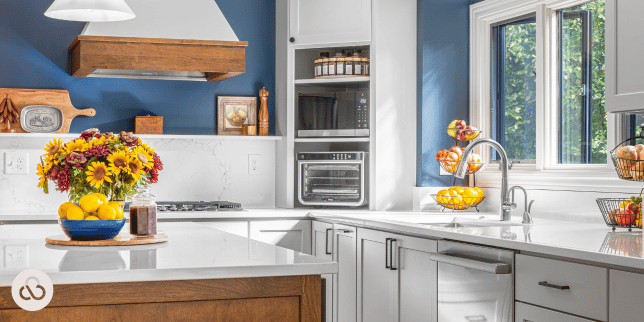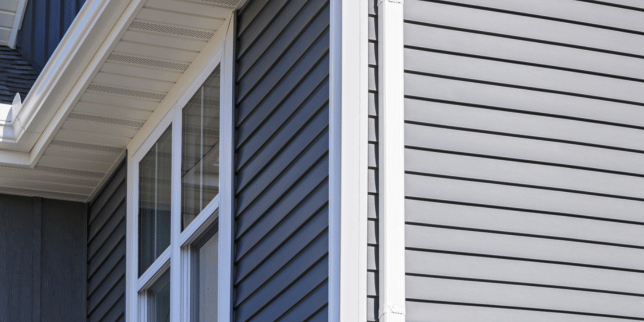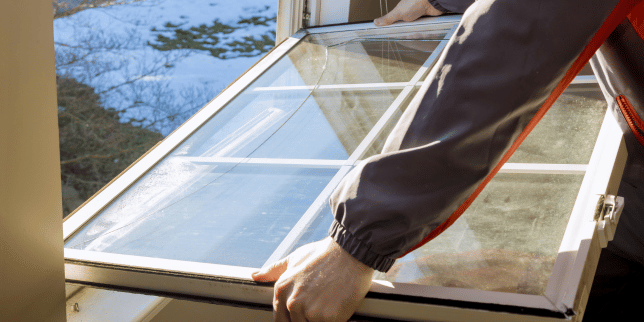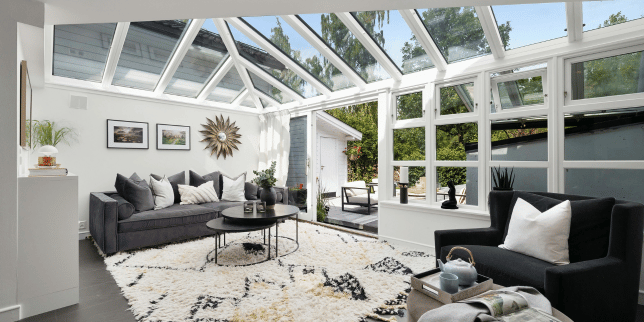

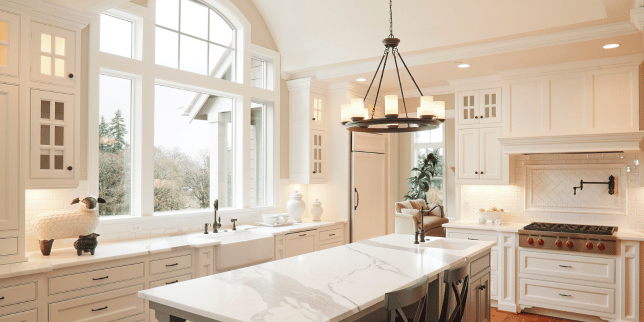
Is your home feeling a little too dark? Natural light has the power to transform a space, making it feel brighter, more inviting, and more connected to the outdoors. Whether you’re remodeling or simply looking to enhance your home’s ambiance, the right window style can significantly impact how light flows through your rooms.
At Custom Built, we understand that every home is different, and so are the lighting needs of each space. With over 20 years of home remodeling experience, we’ve helped homeowners choose windows that not only bring in more light but also align with their lifestyle and aesthetic preferences.
In this article, we’ll explore the five best window styles for enhancing natural light and provide practical insights into how to choose the right windows for your home:
1. Casement Windows
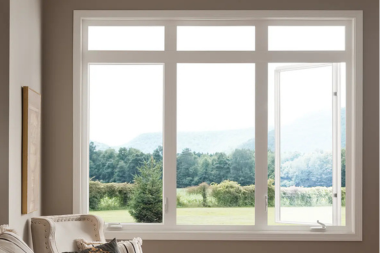
PC: US Window & Door
Casement windows are hinged on one side and open outward using a crank handle. Instead of sliding up or down, they swing open like a door.
Why they work for natural light:
Casement windows don’t have a sash meeting in the middle, which means more uninterrupted glass and a clearer view outside. When closed, they function much like a picture window, but with the added benefit of ventilation.
Pros
- Excellent airflow when open
- Clear, unobstructed views
- Screens are on the inside, keeping the exterior clean-looking
Cons
- Typically more expensive than double-hung windows
- Crank mechanisms can wear out over time
- Can be damaged if forced or misused, especially in homes with kids
2. Bay and Bow Windows
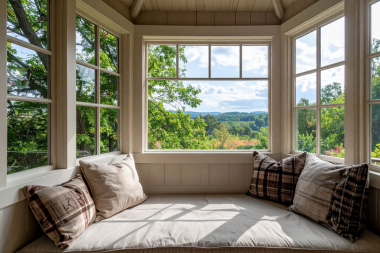
Bay Windows
Bay and bow windows extend outward from the home and consist of multiple windows grouped together. Bays usually have three sections, while bows often have four or more for a curved appearance.
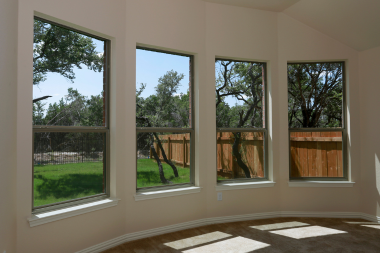
Bow Windows
Why they work for natural light:
More windows at multiple angles allow sunlight to enter from different directions throughout the day. These windows also visually open up a room and add architectural interest.
Pros
- Brings in significant natural light
- Makes rooms feel larger and more upscale
- Can include interior seating or storage
Cons
- Higher cost due to size and complexity
- More invasive installation process
- The exterior wall is opened for a longer period during installation
3. Picture Windows
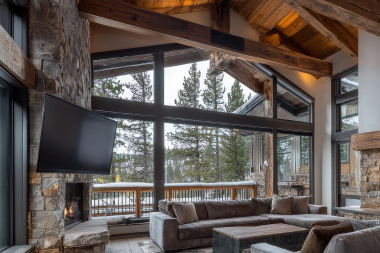
Picture windows are large, fixed panes of glass designed purely for viewing and daylight; no opening, no screens, just glass.
Why they work for natural light:
Because there are no sashes, mullions, or moving parts, picture windows allow maximum sunlight and the clearest possible view.
Pros
- Delivers the most natural light
- No visual obstructions
- Ideal for showcasing outdoor views
Cons
- No ventilation
- Cannot be opened for fresh air
4. Sliding Windows
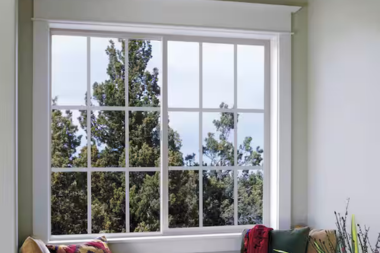
PC: The Home Depot
Sliding windows operate horizontally, with one or more panels sliding side to side instead of up and down.
Why they work for natural light:
They provide a wide glass area and are easy to operate, especially in tight spaces where reaching upward is inconvenient.
Pros
- Allows fresh air
- Easy to open and close
- Works well over kitchen sinks and counters
Cons
- The meeting rails interrupt the view
- Less glass exposure compared to picture or casement windows
5. Double-Hung Windows
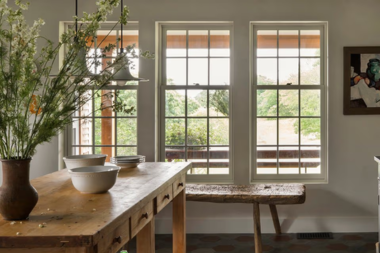
PC: Andersen Windows
Double-hung windows feature two operable sashes. Both the top and bottom can move up or down.
Why they work for natural light:
While not the clearest option visually, they still allow solid daylight and offer flexibility for ventilation.
Pros
- Fresh air from top, bottom, or both
- Tilt-in sashes make cleaning easier
- Classic style that fits many homes
Cons
- Sashes and rails break up the view
- It can be awkward to operate in hard-to-reach areas
- Not ideal for maximizing uninterrupted light
How to Choose the Right Window for Natural Light
Before settling on a window type, it helps to step back and consider a few key factors that directly affect the amount of natural light you’ll receive.
1. Start With the Room’s Purpose
Think about how the space functions from morning to night. Kitchens, living rooms, and dining areas typically benefit from large expanses of glass that bring in steady daylight. In these rooms, picture windows or casement windows can make a noticeable difference.
Bedrooms and bathrooms, on the other hand, may need a balance of light and privacy, which can influence size, placement, and style.
2. Pay Attention to Orientation and Views
The direction your windows face matters. South- and west-facing windows generally bring in more sunlight throughout the day, while north-facing windows provide softer, more consistent light.
If your home has a great backyard, wooded lot, or waterfront view, choosing a window with fewer visual obstructions, like a picture or casement window, can maximize both light and scenery.
3. Decide How Important Ventilation Is
More glass doesn’t always mean better comfort if you also want fresh air. Fixed picture windows flood a space with light but don’t open.
If airflow matters, pairing a picture window with operable windows nearby allows you to enjoy natural light without sacrificing ventilation.
4. Consider How Much Structure You’re Willing to Change
Some window upgrades are simple replacements, while others, such as bay or bow windows, require opening exterior walls and adjusting framing. Larger structural changes can dramatically improve light but also affect cost, timeline, and scope.
Understanding this early helps set realistic expectations.
5. Think Long-Term, Not Just Aesthetics
A window that looks great today should still feel right years from now. Styles that reduce visual clutter, bring in consistent daylight, and fit the home’s architecture tend to age better and appeal to a wider range of homeowners.
The right window choice brings in light where it matters most, supports how your home functions, and enhances the spaces you use every day. Taking the time to match window style, placement, and purpose ensures natural light becomes a true upgrade, not just a design detail.
Next Steps to Replacing Your Windows
Natural light can truly transform your home, creating a brighter, more welcoming atmosphere. The right window style is key to letting that light in while enhancing your home's functionality and aesthetic.
Whether you choose casement windows for an unobstructed view or a bay window to add dimension, each style offers unique benefits. Consider how you use your space, the desired airflow, and the amount of light you’d like to let in when making your decision.
Custom Built specializes in guiding homeowners through decisions like these, ensuring every choice aligns with your home’s needs and your vision.
Ready to enhance your home with more natural light? Contact us today to explore the best window styles for your next remodeling project.

Now that you know more about the best window styles for enhancing natural light, let’s explore whether or not window frost is detrimental, what you should think about before replacing your windows, and ways to insulate your windows during the cooler months:
- Is Window Frost a Bad Thing? - Learn what causes window frost, when it’s harmless, and when it could be a sign of moisture or insulation issues in your home.
- 8 Things to Think About Before Replacing Your Windows - From energy efficiency to installation details, this article outlines the key factors to consider before investing in new windows.
- How to Insulate Your Windows in Cold Weather - Discover practical ways to reduce drafts, improve comfort, and protect your home during Michigan’s cold winter months by properly insulating your windows.
Topics: