

Many homeowners begin their remodel feeling excited, but working within allowances can quickly create stress and confusion. Without clear guidance, unexpected costs, delays, and miscommunications can derail a project.
At Custom Built, we guide homeowners through every detail, from materials to finishes, using decades of experience to manage budgets and keep projects on track.
In this article, we’ll explore the eight common problems with working within allowances during a remodel:
- Vague or Incomplete Plans
- Unrealistic Allowance Estimates
- Limited Product Options
- Miscommunication About Quality and Expectations
- Budget Overruns From Upgrades
- Delayed Decisions Slow Down the Project
- Market Price Fluctuations
- Hidden Installation or Accessory Costs
1. Vague or Incomplete Plans
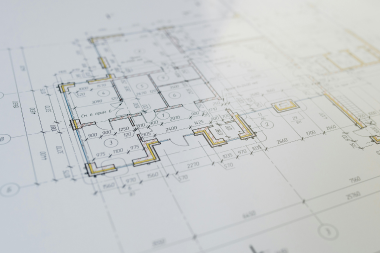
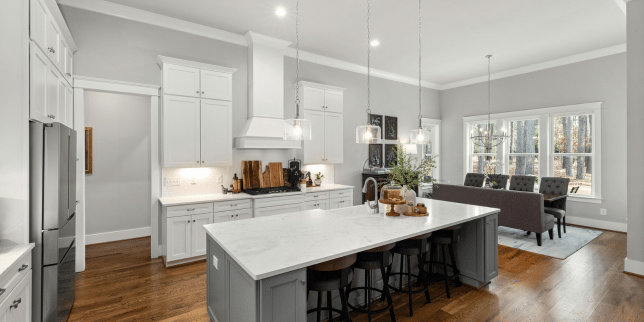
When plans don’t specify the exact products, materials, or finishes, allowances become a guessing game. Builders and architects can draw plans, but they often aren’t the right people to pick tile, countertops, or cabinetry for precise pricing. This gap can create surprises and extra costs once construction begins.
Common issues include:
- Missing countertop details, such as material type, grade, or edge profile, can dramatically change costs.
- Not specifying tile type can increase labor and material costs, especially for patterns such as herringbone.
- Without clear guidance on cabinets, trim, or fixtures, you must make last-minute decisions.
- Builders often plug in rough allowance numbers, creating uncertainty for contracts and mortgages.
2. Unrealistic Allowance Estimates

Allowances provide a budget guide, but without detailed discussions and real-world examples, they can fall short. Builders may underestimate costs, leaving you to pay the difference later.
Problems that arise include:
- Encountering 20-30% overages on popular selections.
- Credit-back scenarios where allowances are too low, requiring adjustments during construction.
- Increased stress for you when unexpected costs appear mid-project.
3. Limited Product Options

Allowances can restrict your choices, forcing decisions that don’t align with your vision. You may need to visit multiple showrooms to pick lighting, plumbing, flooring, and cabinets.
Even worse? This is usually done without guidance on how the choices work together.
Challenges include:
- Choosing items piecemeal, leading to mismatched finishes or materials.
- Missing options for cabinets, countertops, or plumbing fixtures if they aren’t included in the allowance.
- Overlooking details like window trim profiles or hardware compatibility.
- Increased decision fatigue and potential mistakes from visiting many vendors without professional oversight.
4. Miscommunication About Quality and Expectations
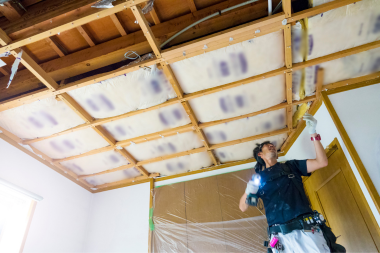
When allowances are used to fill gaps in incomplete plans, miscommunication often follows. Without clear specifications, contractors may make assumptions that differ from your expectations.
Common issues include:
- Confusion over tile installation techniques, grout type, or alignment with pre-elevations.
- Inconsistent finishes between spaces, such as mismatched cabinetry or trim details.
- Discrepancies between what’s on paper and the final product, leading to disputes or dissatisfaction.
5. Budget Overruns From Upgrades

Allowances rarely cover premium materials or intricate designs. This means upgrades often result in unplanned costs. These surprises can quickly push a remodel over budget if you are unprepared.
Examples of potential overruns:
- High-end cabinetry, countertops, or appliances exceeding the set allowance.
- Unique layouts or hardware that require extra labor or materials.
- Upgraded lighting or plumbing fixtures not accounted for in the original budget.
6. Delayed Decisions Slow Down the Project
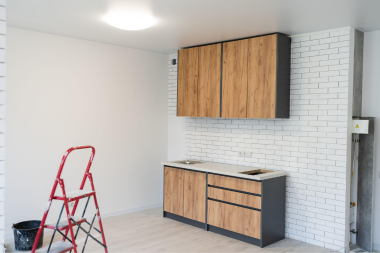
Using allowances instead of making final selections can create bottlenecks, with contractors waiting for your choices, which can cause delays and extra site visits.
Consequences include:
- Pausing work until choices are made, affecting the project timeline.
- On-site stress if you’re making last-minute decisions without visualization tools.
- Repeated delays if selections need to be reordered or revised.
7. Market Price Fluctuations
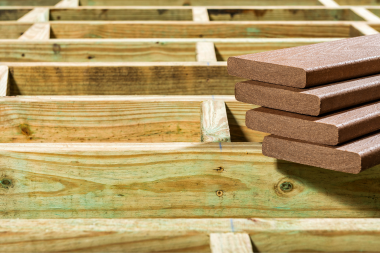
Allowances based on initial estimates may not reflect real-time market prices. If selections aren’t finalized, prices can rise between signing and installation.
Key concerns include:
- Material costs increasing after allowances are set.
- Limited flexibility to lock in prices for popular or specialty items.
- Absorbing price differences without prior warning.
8. Hidden Installation or Accessory Costs
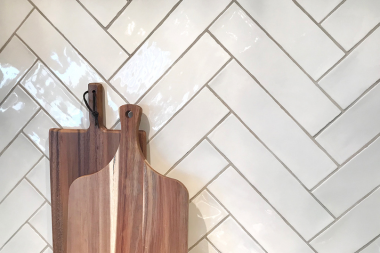
Some products need extra parts or special installation not covered by the allowance. Without professional selection and planning, these hidden costs can quickly add up.
Common hidden costs:
- Specialty tile patterns, such as herringbone or mosaic, increase labor.
- Tub fillers, drawer pulls, or other accessories incompatible with initial selections.
- Modifications needed to integrate new hardware or products with older structures.
The Fixed-Price Model: Clear Plans and Fewer Surprises
A fixed-price model gives you a clearer, more predictable remodeling experience. Instead of using rough estimates or placeholder budgets, all materials and details are chosen before the build begins. This means you know exactly what your project will cost and what will be installed.
Here’s what makes fixed pricing different:
- All selections happen before construction: Pick your materials, fixtures, and finishes upfront.
- The price is clear: Your contract shows real product and labor costs.
- Fewer surprises: Early choices reduce unexpected upgrades or missed items.
- Everyone is on the same page: Builders, designers, and homeowners follow the same detailed plan.
- Construction moves faster: Fewer last-minute decisions mean fewer delays.
At Custom Built, we use the fixed-price model because it:
- Protects your budget
- Keeps the process organized
- Helps your remodel run smoothly from start to finish
Next Steps to Remodeling Your Home
Allowance-based remodeling may seem easy, but unclear plans, unfinished selections, and last-minute decisions often lead to delays and higher costs.
In this article, you learned what allowance-based remodeling really involves, so you can decide if it’s right for you and plan to avoid surprises.
At Custom Built Design & Remodeling, we guide homeowners through every step, offering expert advice and accurate budgets from start to finish.
Start your remodel with a design professional who will use a fixed-price plan, confirm your selections, and keep your project on track without allowances.

Now that you know more about problems with working within allowances, let’s explore three pricing models to look while comparing quotes, how long it should take to get a quote back from your contractor, and how to compare official quotes:
- Navigating Remodeling Quotes: A Deep Dive into Three Pricing Models - Explore the pros and cons of three common remodeling pricing models to make informed decisions for your project.
- How Long Should It Take to Get a Quote Back From Your Contractor? - Learn what a reasonable timeline looks like when waiting for a detailed contractor quote and what factors can affect it.
- How to Compare Home Remodeling Contractor Quotes - Discover key tips for evaluating multiple contractor quotes to ensure you choose the best fit for your remodel.