
Planning to replace your deck but worried about unexpected costs popping up mid-project? Many homeowners assume a deck replacement is as simple as swapping out old boards for new ones. Unfortunately, once demolition begins, hidden structural issues, outdated building methods, and code requirements often come to light, putting stress on both your timeline and your budget.
As a professional deck builder, we’ve replaced hundreds of decks across mid-Michigan and Northern Michigan, and we’ve seen firsthand how often these surprises catch families off guard. Our team believes the best remodels start with clear expectations, honest planning, and designs that put safety and long-term value first.
In this article, we’ll walk you through the most common hidden deck replacement costs to consider before your project begins, so you can plan confidently, avoid costly setbacks, and invest in a deck that’s built to last.
- Structural Repairs Hidden Beneath the Existing Deck
- Undersized or Deteriorated Footings
- Ledger Board Damage or Improper Attachment
- Demolition and Proper Disposal of Old Materials
- Permit Fees and Required Inspections
- Code Upgrades for Railings, Stairs, and Safety Features
- Structural Upgrades Required to Meet Current Standards
- Site Access and Yard Condition Challenges
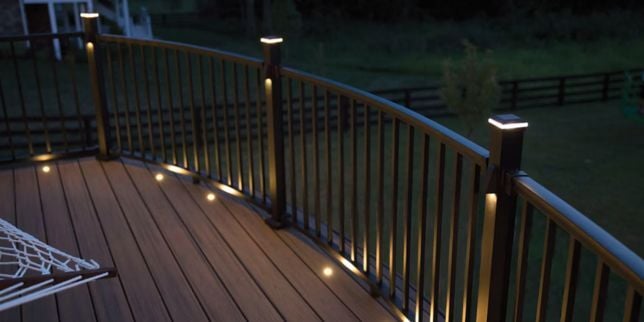
- Electrical Updates for Outlets, Lighting, or Stairs
- Weather-Related Delays and Temporary Protection
1. Structural Repairs Hidden Beneath the Existing Deck
PC: Reddit
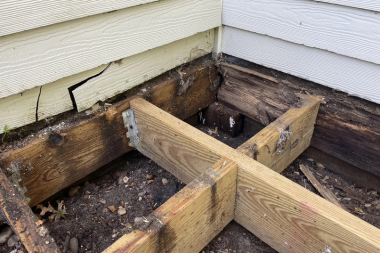
One of the biggest surprises during a deck replacement is what’s hiding underneath the surface. You simply can’t see structural damage until demolition begins.
Most deck understructures are built from treated lumber with a lifespan of 20-25 years in Michigan conditions. If your deck structure is 15 years old or more, replacing the surface boards alone often doesn’t make sense. The structure may fail long before new composite decking ever would.
If the framing is taking on water, showing rot, or nearing the end of its life, replacing the entire structure now saves money in the long run. Putting new materials on a failing structure almost always leads to paying twice.
Smart planning tip: Your contractor should estimate for a full replacement upfront, so the worst-case scenario doesn’t come as a surprise.
2. Undersized or Deteriorated Footings
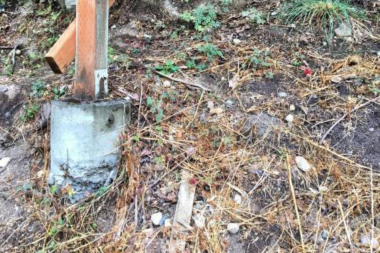
Many older decks were built using outdated methods: dig a hole, drop the post in, and pour concrete around it. Over time, this traps moisture and causes posts to rot.
Today’s standards require:
- Footings dug to 42 inches deep
- Concrete footings poured first
- Posts set on top of the concrete, below subgrade
When replacing a deck built 20-50 years ago, it’s common to find footings that are undersized or failing. The only way to know is to dig and inspect.
This is money well spent. Proper footings protect your deck, your home, and your family.
3. Ledger Board Damage or Improper Attachment
PC: Journal of Light Construction
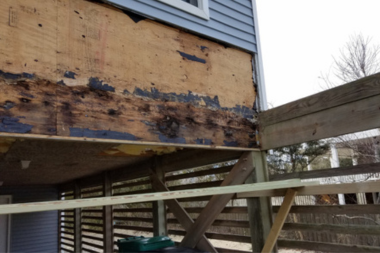
Ledger board failure is one of the most common and dangerous issues we uncover during deck replacements. It is also a frequent source of hidden costs for homeowners.
When a deck is not flashed correctly, moisture becomes trapped against the ledger board and causes rot over time. In many cases, ledger boards are already pulling away from the house or were attached using outdated, rusty nails instead of modern fasteners.
If these problems are not identified early, homeowners can face unexpected costs such as:
- Removal of rotted materials
- Structural repairs to the home’s framing
- Additional labor and inspections
To avoid these surprises, ledger boards must be:
- Properly flashed to prevent moisture intrusion
- Structurally sound
- Attached using modern hardware and joist hangers
Addressing ledger board issues upfront is about more than code compliance. It helps protect your home and prevents costly, last-minute repairs that can disrupt your project budget.
4. Demolition and Proper Disposal of Old Materials
PC: Trex
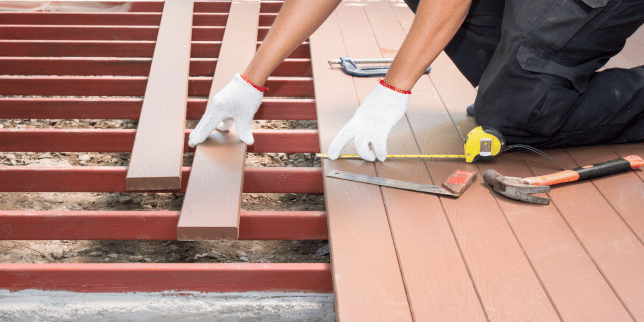
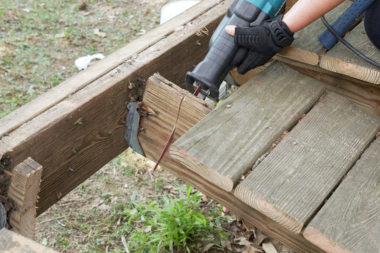
Deck replacement includes more than removal; it includes safe disposal.
Treated lumber:
- Cannot be burned (toxic smoke)
- Cannot be reused once it’s waterlogged
- Must be disposed of properly at a waste facility
Demolition and disposal should always be included in your estimate. If you’re DIYing, factor in disposal fees and transportation. Using old treated lumber for other projects is asking for trouble.
5. Permit Fees and Required Inspections

One of the hidden costs many homeowners overlook is permitting and inspections.
While permits add to the upfront cost of a deck project, they help ensure the structure is built safely and meets local building code requirements, particularly for critical components like footings and structural supports.
Trying to avoid permit costs can become far more expensive later. If unpermitted work is discovered, you may face:
- Additional inspection and engineering costs
- Excavation to verify footing depth after construction
- Delays when selling your home
- Fines or penalties from the local building department
- Requirements to modify or even remove portions of the deck
It's also important to understand that if you pull the permit yourself, you typically assume responsibility for code compliance and inspections. In most cases, a licensed and insured deck contractor should handle the permitting process on your behalf, helping protect both your investment and your liability throughout the project.
6. Code Upgrades for Railings, Stairs, and Safety Features
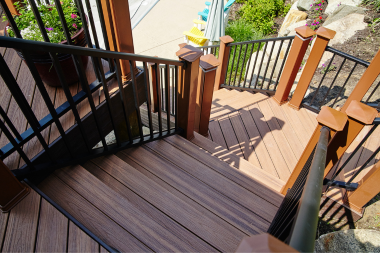
Building codes change, and municipalities can update requirements without notice.
Common surprises include:
- Required handrail heights
- Stair railing requirements based on riser count
- Guardrail spacing rules
Even if your old deck didn’t need rails, your new one might, especially on stairs. If the inspector flags noncompliance, fixing it later costs far more than doing it right the first time.
7. Structural Upgrades Required to Meet Current Standards
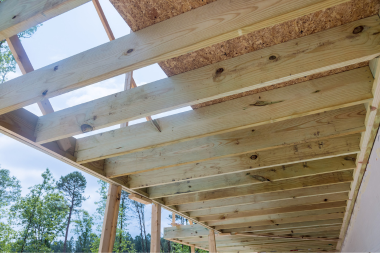
Deck structures must meet modern engineering standards.
That includes:
- Proper floor joist size
- Correct joist spacing
- Approved spans and cantilever limits
You can’t build a deck with undersized materials, even if it saves money upfront.
Improper structure can lead to:
- Deck failure
- Serious injury
- Insurance claim denial
Once the structure is built correctly, you can choose nearly any surface material to complete your outdoor living space: composite, cedar, or PVC.
Always remember, however, that the structure always comes first. While updating your structure to meet current codes might add to your initial cost, the return on investment is a safe outdoor living space that will last for years.
8. Site Access and Yard Condition Challenges
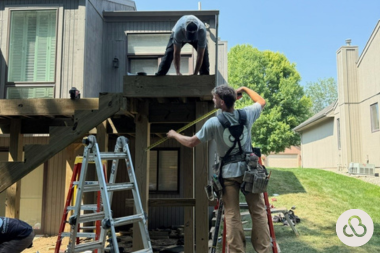
Getting materials into your backyard isn’t always simple, and when access is limited, it can quietly increase the cost of your project.
Common challenges include:
- Fenced yards that require partial removal or temporary access points
- Tight neighborhoods with limited space for trucks and equipment
- Restricted access that increases labor time
- Lawn and landscape damage from repeated foot traffic
These access issues can lead to hidden costs if they aren’t discussed upfront, such as additional labor, specialized equipment, or repairs to landscaping.
A good contractor should clearly explain:
- How materials will be delivered and staged
- What yard protection methods will be used (such as plywood paths or turf protection)
- Who is responsible for repairing damage to your yard (or a neighbor’s) if it occurs
Some yard impact is unavoidable during construction, but it should never come as a surprise. Clear expectations and written details in your contract help prevent unexpected costs and protect your property.
9. Electrical Updates for Outlets, Lighting, or Stairs
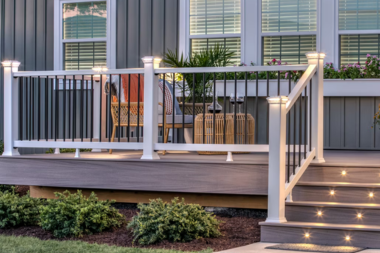
PC: Trex
If your deck includes lighting or outlets, electrical codes apply, and they’ve changed over time.
You may need:
- Electrical permits
- Ground-fault protection
- Updated junction boxes
- Low-voltage systems for safety
Replacing older electrical systems often requires upgrades to meet current code. This is another area where a licensed contractor saves you time, money, and stress.
10. Weather-Related Delays and Temporary Protection
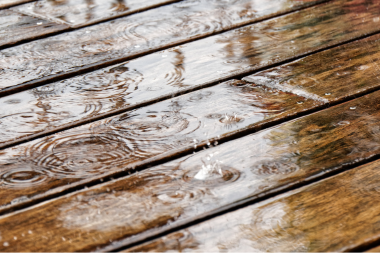
Decks are built outdoors, and in Michigan, weather delays aren’t just inconvenient; they can add unexpected costs if they aren’t planned for properly.
Rain can:
- Fill open footing holes
- Cause soil to collapse
- Require footings to be re-dug and re-inspected
When this happens, you may face hidden costs such as additional labor, extended timelines, and extra inspection fees.
Smart builders plan for these risks by protecting open holes, covering work areas, and building weather delays into the project schedule. Skipping these steps can quickly turn routine weather issues into added expenses.
This applies to all outdoor projects, including decks, covered porches, and pole barns. Clear planning and upfront conversations help prevent weather-related surprises from showing up in your final bill.
Next Steps to Replacing Your Deck
Replacing a deck often reveals more than worn-out boards. Hidden structural issues, outdated codes, and site challenges can quickly add unexpected costs if you’re not prepared.
By understanding these potential expenses ahead of time, you’re better equipped to plan your budget, protect your family’s safety, and make informed decisions that prevent costly rework down the road.
At Custom Built, we believe deck replacements should be done right the first time, with proper structure, permits, and craftsmanship that stands up to Michigan’s climate.
If you’re considering a deck replacement, talk with our team early. We’ll help you evaluate your existing deck, plan for what’s hidden below, and build a solution you can enjoy with confidence for years to come.

Now that you know more about hidden deck replacement costs to consider during your project, let’s explore how much deck stairs cost, how to prepare for your deck build project, and a high-level view of our deck-building services:
- How Much Do Deck Stairs Cost in Michigan?: Data from a Greater Lansing Deck Builder - Learn what affects deck stair pricing in Michigan, including materials, design complexity, railing options, and project-specific factors that can impact your overall deck budget.
- 10 Ways to Prepare for Your Deck Build Project - Explore 10 practical steps homeowners can take before deck construction begins to help the project run smoothly, protect their property, and set realistic expectations for the building process.
- Custom Built Deck-Building Services - From design to construction, we create durable, beautiful decks tailored to your home, lifestyle, and budget while guiding you through every step of the process.