
Adding stairs to your deck may seem simple, but it can quickly become complicated (and expensive) if you don’t plan carefully. Many homeowners underestimate the cost, overlook safety requirements, or try to cut corners on materials, design, or labor. The result can be bouncy steps, code violations, or costly repairs down the line.
As local deck builders, we’ve helped hundreds of Michigan homeowners design and build stairs that are not only safe and functional but also enhance the beauty of their outdoor space. We understand the challenges of local building codes, variable terrain, and Michigan weather, and we know how even small design choices can impact your project timeline and budget.
In this article, we’ll break down the key factors that determine deck stair costs, including material choices, site conditions, design complexity, and labor. We’ll also cover safety, permit requirements, and hidden costs, so you can make informed decisions and get stairs that last for years without surprises:
- How Much Do Deck Stairs Cost in Michigan?
- Material Choices and Their Impact
- Site and Location Factors
- Design Complexity
- Additional Features and Requirements
- Labor Costs
- Permit and Inspection Fees
How Much Do Deck Stairs Cost in Michigan?
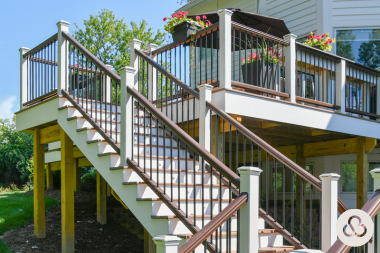
Deck stairs in Michigan typically range from $330 to $980 per step, influenced by a variety of factors. These factors include the materials used, the design complexity, the height and number of steps required, and any extra features such as lighting or slip-resistant surfaces.
In the following sections, we'll dive into how each of these elements can affect the overall price, helping you better understand what to expect for your own project.
1. Material Choices and Their Impact
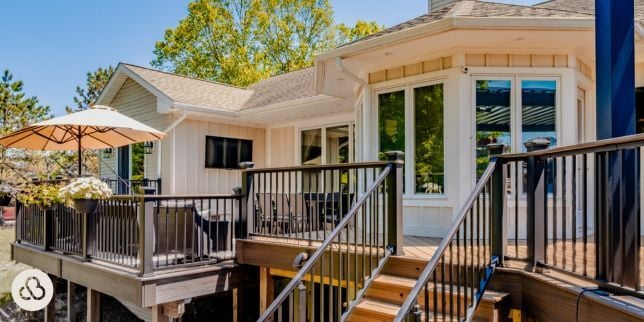
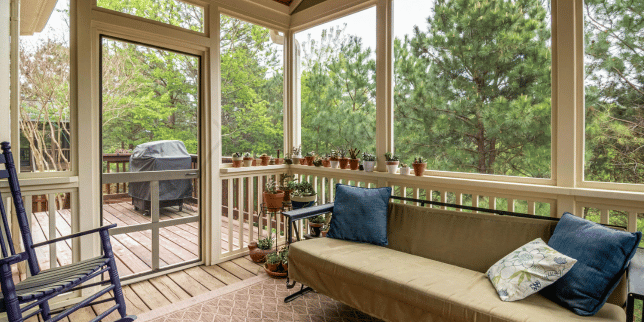
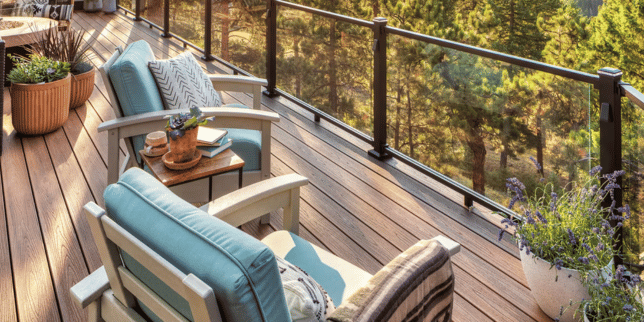
PC: Trex
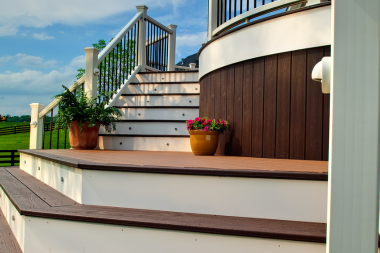
The first factor in deck stair costs is material choice. Your choice determines both the price per step and long-term maintenance requirements:
1. Treated lumber:
The most cost-effective and widely used option. Even basic steps typically start at $330-$340 per step (including materials and labor). Treated lumber resists rot and insects but requires staining or sealing over time.
2. Cedar:
Naturally resistant to moisture and insects, cedar has a warm, classic look. At $580 per step, it costs more than treated lumber, but lasts longer with proper care.
3. Composite:
This low-maintenance option resists moisture, fading, and splitting. It is pricier upfront, but it saves on repairs and staining over time. Composite stair prices range from $640 to $980 per step, depending on their quality tier.
4. Aluminum:
Lightweight, durable, and often used for modern or open designs. Aluminum stairs can last decades with minimal maintenance, but may cost more per step, with designs ranging from $1,380 to $2,520.
5. Concrete or stone:
Ideal for patios or landscaping transitions, these materials can be used creatively for certain stair designs but need heavy labor and site prep, increasing costs ($500 to $5,000 per step).
A skilled deck builder can walk you through the advantages of each material and design option, helping you make decisions that balance aesthetics, durability, and cost.
2. Site and Location Factors
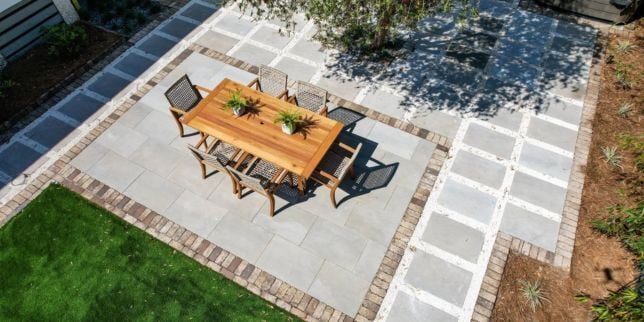
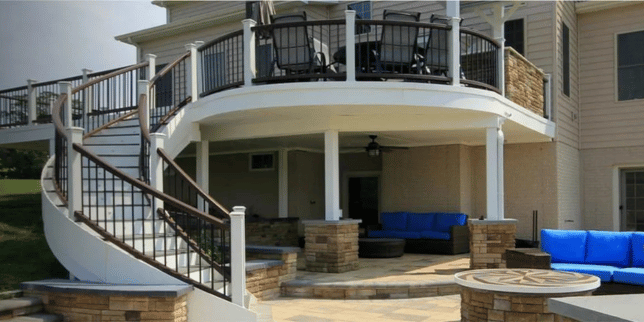
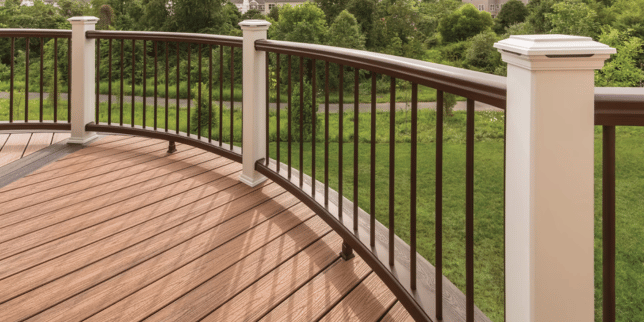
PC: Houzz
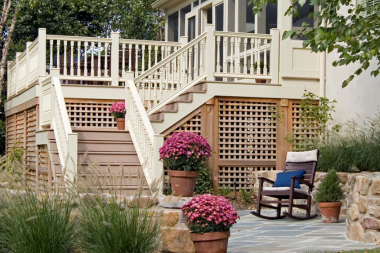
Your deck’s location and yard layout are major cost drivers for stairs. Every slope, hill, and uneven grade can add complexity.
Consider these factors:
1. Deck height:
Stairs from a first-floor deck are less complicated than those from a second-level deck, 8-9 feet off the ground. Higher decks often need extra supports and wider landings for safety.
2. Ground conditions:
Soil type, slope, drainage, and frost depth influence footing requirements. Footings must extend below the frost line in Michigan to prevent shifting, which can increase excavation and concrete costs.
3. Space constraints:
Narrow or irregular spaces may require wraparound stairs, angled approaches, or custom designs, which can increase labor and materials costs.
Every extra foot or step can raise costs, so evaluating the site upfront with a professional ensures that your stairs are both safe and efficient.
3. Design Complexity
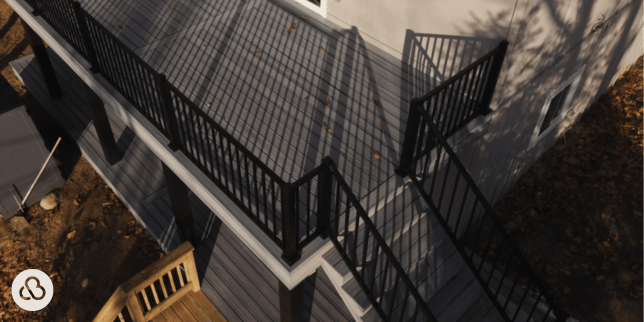
PC: TimberTech
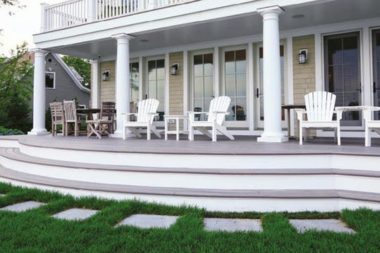
Not all stairs are created equal. Simple, straight stairs are the most economical, but many homeowners prefer designs that enhance the look and usability of their deck.
1. Extra-wide stairs:
Provide a grand entrance, but require more material and support.
2. Cascading or wraparound stairs:
Ideal for multi-level decks or to follow landscape features, but involves more cuts, risers, and handrails.
3. Spiral stairs or stairs with landings:
Save space or add style, but they are labor-intensive and must be carefully engineered for stability.
Design complexity also affects structural requirements. Stairs with more than six risers require additional supports to prevent “bouncy” steps.
Properly braced stairs last longer and feel solid underfoot, which protects your investment.
4. Additional Features and Requirements
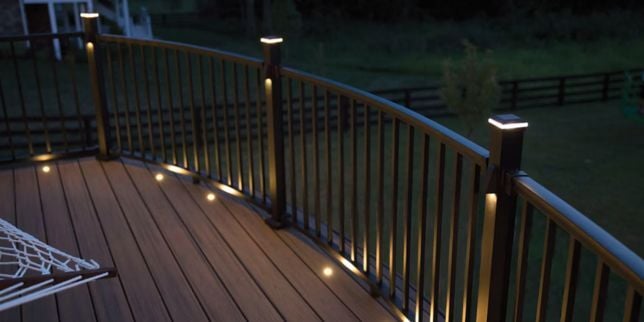
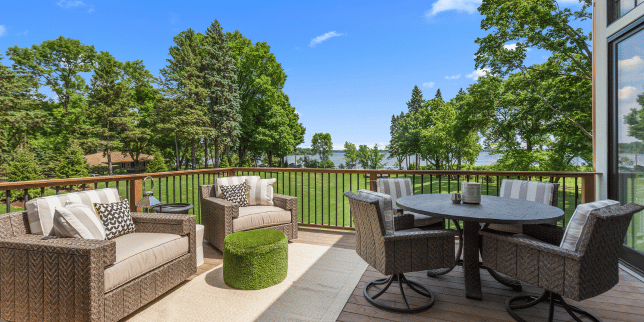
PC: Trex
Extra features make stairs safer and more comfortable, but can increase cost:
1. Slip-resistant surfaces:
Textured treads or treated surfaces help prevent slips and falls, making your deck stairs safer in wet or icy Michigan weather. Options like rubber, grip tape, or specially-treated wood can provide added traction, particularly in high-traffic areas or during winter months, ensuring your stairs are both functional and secure year-round.
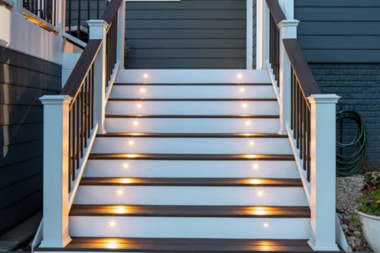
2. Lighting:
Built-in riser lighting or path lights not only improve the safety and visibility of your stairs during evening use but also add an aesthetic appeal to your deck. With options such as LED lights or solar-powered fixtures, you can illuminate each step while minimizing energy costs, creating a warm and inviting atmosphere while enhancing safety for your family and guests.
3. Custom Railing Designs:
Opting for custom railings adds a personalized touch to your deck stairs. Whether you're looking for intricate woodwork, modern metal finishes, or a combination of both, custom railings can elevate the aesthetic of your space but come at a higher cost due to the materials and specialized labor involved.
4. Landing Pads:
Adding landing pads or additional landings can enhance both the safety and functionality of your deck stairs. These features are especially useful for taller decks or winding staircases, but they can increase your overall cost due to the extra materials and labor required to create a stable, level base for the landing.
Many homeowners choose precut stair treads to simplify installation and ensure compliance without the guesswork. Custom-built stairs provide more flexibility but require a qualified professional to get them right.
5. Labor Costs
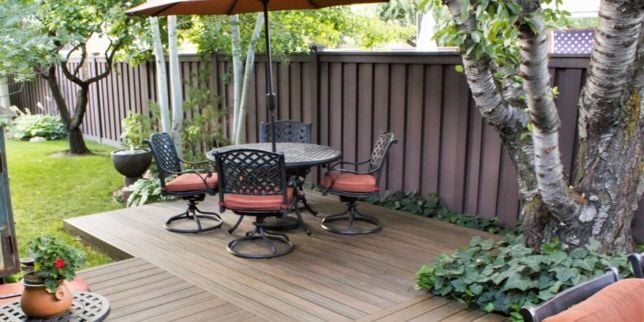
PC: Journal of Light Construction
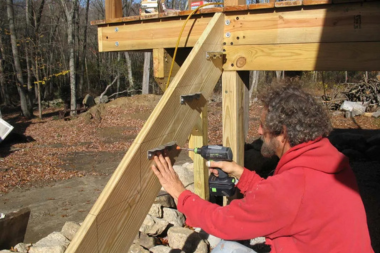
Stairs often require more labor than the deck surface itself. Every detail matters:
- Correct riser heights and tread depths
- Proper footings and support to prevent bouncing
- Structural reinforcement for multi-level or wide stairs
Labor costs rise with complexity. Adding a landing, wraparound design, or wide treads takes additional time and skill. Hiring a licensed, insured contractor ensures your stairs are safe, built to code, and won’t need to be rebuilt later, saving time, money, and frustration.
6. Permit and Inspection Fees

Permits and inspections are more than a formality; they’re a critical part of building safe, long-lasting deck stairs. Cutting corners here may seem like a way to save money upfront, but it can lead to serious legal and financial consequences.
Here’s why permits and inspections matter:
1. Code compliance:
Local building codes regulate every detail of stair construction, from riser height and tread depth to handrail placement and footings. For example, Michigan code limits risers to 7¼ inches and requires treads to be at least 9 inches deep. Failing to meet these standards isn’t just unsafe, it’s illegal.
2. Safety inspections:
Inspectors verify that your footings are properly set below the frost line, stairs are securely attached, and structural supports are adequate. Missing an inspection can mean unsafe stairs that may fail over time.
3. Insurance protection:
If someone is injured on stairs that weren’t built to code, your insurance may deny coverage. Without proper inspections, you could be personally liable for medical bills or lawsuits.
4. Hidden costs:
Skipping permits or inspections can result in unexpected expenses later. If a city inspector requires modifications or a rebuild after the fact, you could pay for materials, labor, and possibly fines, often exceeding what a permit would have cost initially.
Typical permit fees for deck stairs in Michigan vary by municipality, but they are a small fraction of the total project cost and provide peace of mind that your stairs are safe and compliant.
Working with a licensed, insured contractor ensures that all permits are pulled, inspections are scheduled and passed, and your stairs meet all safety standards. This proactive approach protects your investment, your family, and your property while preventing costly surprises down the line.
Next Steps to Building or Replacing Your Deck
Deck stairs may seem straightforward, but costs can vary widely based on materials, site conditions, design, and safety requirements.
By understanding these factors and working with a qualified contractor, you can avoid hidden costs, ensure code compliance, and build stairs that are safe, durable, and beautiful.
Custom Built specializes in designing and building deck stairs for Michigan homeowners, combining expert craftsmanship with practical solutions tailored to each property.
Schedule a consultation with our licensed team to review your deck layout, material options, and permit requirements so your stairs are built right the first time.

Now that you know more about how much deck stairs cost in Michigan, let’s explore how much composite decks cost, the top differences between Trex and wood decking, and our design-build deck-building services:
- How Much Do Composite Decks Cost in Lansing, Michigan? - An overview of how much your Lansing composite deck will cost and the factors that will influence your price.
- Top 10 Differences Between Trex Composite and Wood Decking Material - Learn more about the basic yet essential differences between Trex composite and wood decking when choosing your deck’s materials.
- Custom Built Deck-Building Services - From design to construction, we create durable, beautiful decks tailored to your home, lifestyle, and budget while guiding you through every step of the process.