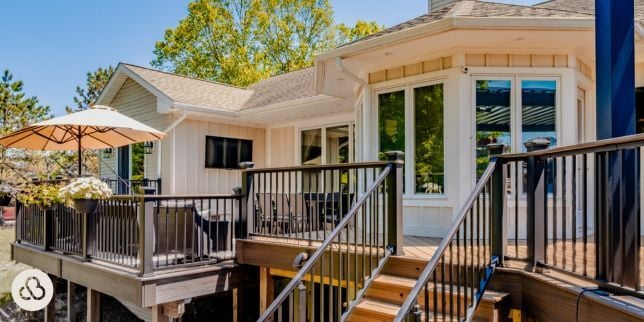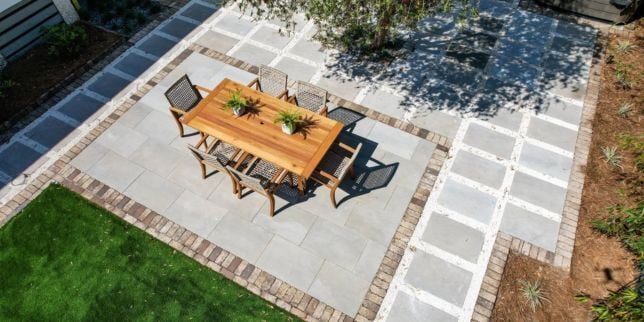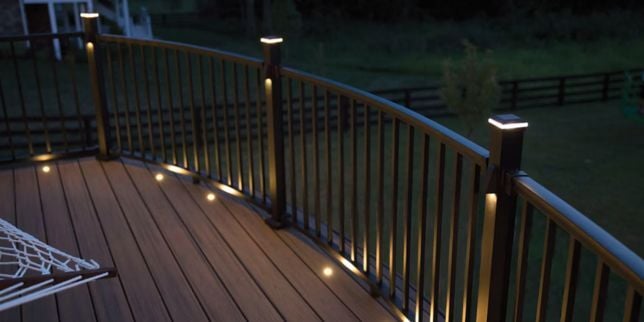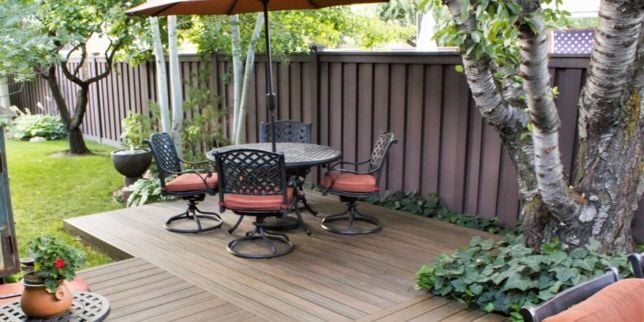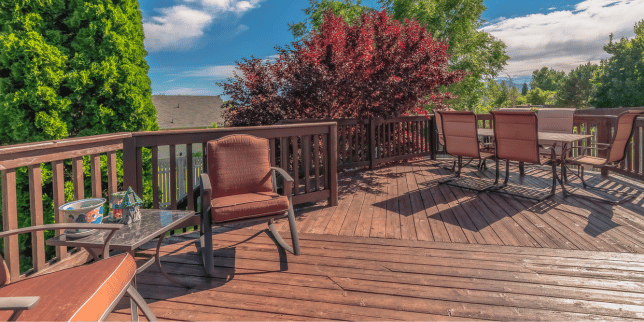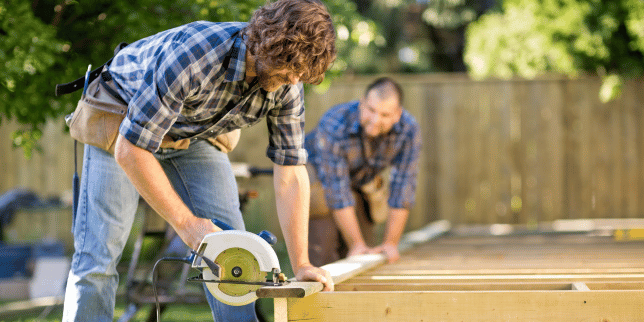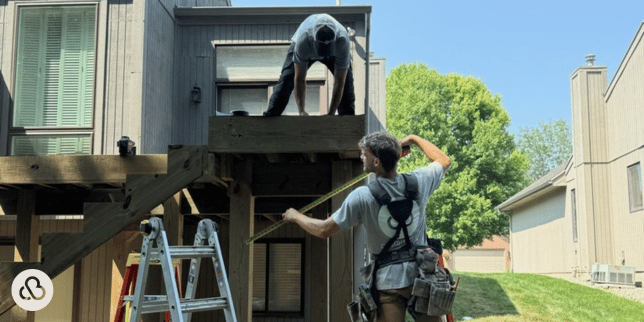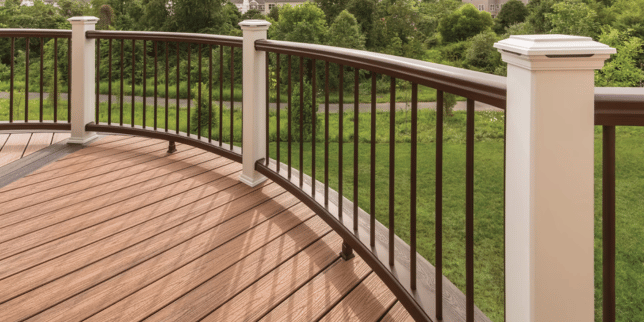

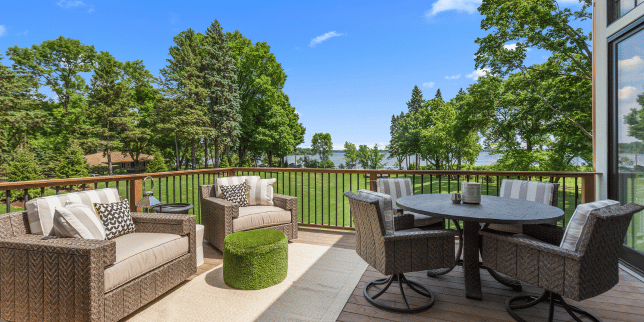
If you’re a Michigan homeowner dreaming about a new outdoor space, one of the first challenges you’ll run into is choosing the right decking material. With our weather swinging from heavy snowfall to humid summers, it’s easy to feel unsure about what will hold up, look great, and make the investment worthwhile for your family.
At Custom Built, we’ve helped families across Greater Lansing and Northern Michigan design and build decks that fit their lifestyle and the unique demands of our climate. We understand how overwhelming material choices can be because each option feels like it comes with its own trade-offs. That’s why we walk homeowners through this decision every day with clarity, honest guidance, and real-world experience from decades in remodeling.
In this article, you’ll learn how to confidently choose the decking material that fits your home, your maintenance preferences, your budget, and Michigan’s weather, so you can move forward knowing your deck will serve your family well for years to come:
- Pressure-Treated Wood Decks (10-15 Years)
- Cedar Decks (15-30 Years)
- Composite Decks (25-50+ Years)
- PVC Decks (30-50+ Years)
1. Pressure-Treated Wood Decks (10-15 Years)
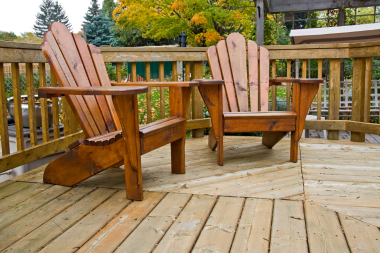
Since modern treated lumber differs from the dense, slow-growth wood used decades ago, today’s decks don’t perform quite like the ones our parents built. Modern pine grows faster, has more air gaps, and is simply less dense. The pressure-treated deck that once lasted 25-30 years now averages 10-15 years in Michigan.
Several variables influence how long your pressure-treated deck will last:
- Care and Maintenance: Applying a penetrating sealer every season dramatically slows weathering. Skipping even a couple of years accelerates rot and cracking.
- Sun vs. Shade: Constant shade traps moisture and slows drying, which leads to mildew. Full sun is no better—UV exposure breaks down wood fibers over time. The healthiest decks get a balance of both.
- Proximity to the Ground: A deck built too close to grade can trap water underneath. Standing moisture is one of the fastest ways pressure-treated lumber deteriorates, especially in Michigan’s freeze–thaw cycles.
- Changes to Pressure-Treating Chemicals: Chemicals used today don’t have the long-term durability that older formulas had. Your deck’s longevity now relies much more on consistent sealing and care.
Pro Tip:
If longevity is a priority, consider building with 2x material instead of standard 5¼" deck boards. It costs more upfront, but you get a denser, more rigid board that lasts longer.
2. Cedar Decks (15-30 Years)
PC: Russin
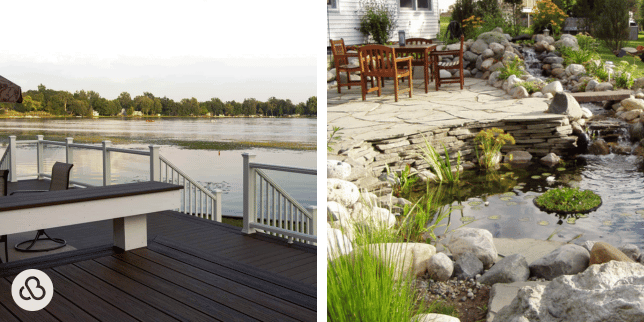
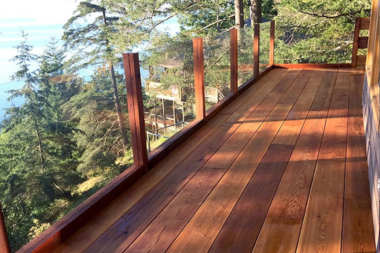
Cedar remains one of the best natural wood choices for decks because it contains natural oils that resist insects and moisture. A well-built and well-maintained cedar deck can last 15-30 years in Michigan.
Factors that influence cedar deck lifespan include:
- Natural Durability: Cedar naturally resists insects and rot better than pressure-treated lumber.
- Maintenance and Preferences: Cedar naturally fades from a warm bronze tone to a silvery gray. If you prefer the original color, sealing can help preserve it—but because cedar is oilier, it requires an oil-based conditioner or sealer, not an acrylic one.
- Weathering: No matter what you do, cedar will gradually gray. The question is whether you embrace that natural, rustic look or work to preserve its original tone.
Pro Tip:
Like pressure-treated decks, upgrading to thicker 2x cedar boards significantly improves rigidity and lifespan, especially important in areas with snow loads.
3. Composite Decks (25-50+ Years)
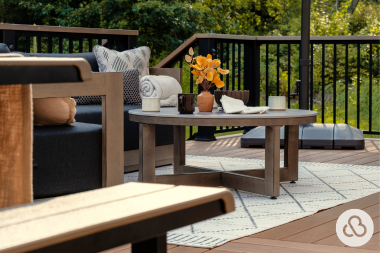
Composite decking (e.g., Trex, TimberTech, etc.) has become the go-to choice for homeowners who don’t want the seasonal upkeep of wood. A high-quality composite deck can last 25-50+ years, but the framing underneath still determines how long the entire structure lasts.
Key factors that affect longevity:
- Framing Material: Composites are almost always installed over pressure-treated frames, which may degrade sooner than the composite boards. Applying joist tape protects the horizontal framing surfaces and drastically slows rot.
- Cleaning and Care: Clean composite boards when they’re dirty—usually with soap and water. Always follow the manufacturer’s cleaning guidelines.
- Quality and Warranty: Not all composite products are created equal. Look for:
- Strong product warranties
- A reputable manufacturer with long-term stability
- Proven R&D (Research & Development) and real-world testing
- If a “new” or bargain brand disappears, you won’t be able to replace boards or get support if there's a failure.
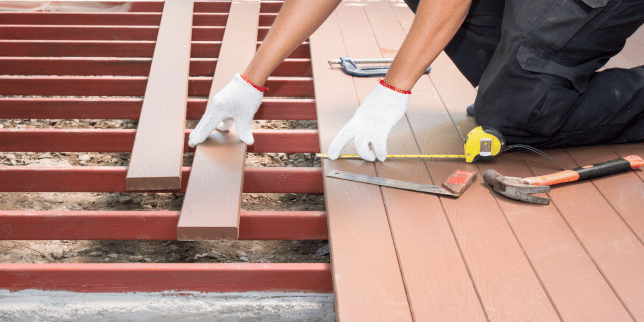
- Installation Quality: Composite boards will conform to the surface they’re attached to. If the builder doesn’t deliver a solid foundation, the deck won’t be stable long-term.
Pro Tip:
Choose a builder with proven experience in both composite installation and structural deck building. A great board installed on a poor frame won’t reach its lifespan potential.
4. PVC Decks (30-50+ Years)
PC: Fiberon
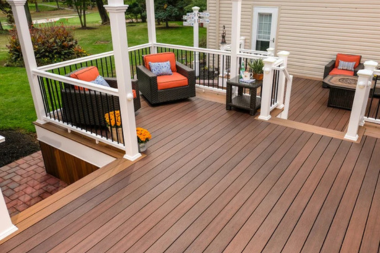
PVC is one of the longest-lasting deck materials available today. These boards don’t absorb water, they’re highly UV-resistant, and they hold up exceptionally well to Michigan’s harsh climate.
Important lifespan considerations:
- Material Engineering: PVC boards are typically made from virgin materials rather than recycled content, which gives manufacturers greater control over consistency and performance.
- Durability: PVC decking handles almost anything a homeowner can throw at it. You’d have to drag sharp metal across it or expose it to fire to do severe damage.
- Warranty Claims vs. Real Age: PVC products haven’t been around for 50 years yet. When manufacturers claim 50-year performance, that’s based on science and lab testing, not real-world age.
- Climate Resistance: PVC doesn’t absorb water, so freeze-thaw cycles cause much less damage compared to wood.
Pro Tip:
Just like composite decks, the big differentiator is the builder. The boards are machine-made, but performance depends on the installation's craftsmanship.
Next Steps to Building or Remodeling Your Deck
Choosing the right decking material is one of the most important steps in building a long-lasting, enjoyable outdoor space for your Michigan home.
By understanding the lifespan, maintenance, and climate considerations of each option, pressure-treated wood, cedar, composite, or PVC, you can choose one that fits your lifestyle and your family’s needs.
At Custom Built, we guide homeowners through these decisions, helping you match your vision with the right materials, design, and craftsmanship.
Ready to start planning your deck? Connect with our team to explore your options and design a deck that will last for decades.

Now that you know more about how long a deck lasts in Michigan, let’s explore how much composite decks cost, the top differences between Trex and wood decking, and Trex’s high-quality composite lines:
- How Much Do Composite Decks Cost in Lansing, Michigan? - An overview of how much your Lansing composite deck will cost and the factors that will influence your price.
- Top 10 Differences Between Trex Composite and Wood Decking Material - Learn more about the basic yet essential differences between Trex composite and wood decking when choosing your deck’s materials.
- Comparing Trex Lineage, Transcend, Select, and Enhance Composite Decking Lines - Explore our thorough comparison of Trex’s most common composite decking options, including cost, colors, and benefits.