
Thinking about adding new plants to your Michigan yard? Choosing species that aren’t suited for the local climate or soil can lead to poor growth, high maintenance, and long-term frustration. Homeowners often don’t realize that even beautiful plants can struggle, or worse, become invasive, when they’re out of their element.
At Custom Built, we’ve worked with homeowners across Michigan to create resilient, thriving landscapes. We understand the challenges of selecting plants that look great while standing up to our seasonal swings, harsh winters, and soil conditions.
In this article, we’ll highlight eight common problems with incorporating non-native plants, provide lists of species to consider or avoid, and give practical guidance so you can design a yard that’s both beautiful and sustainable. By the end, you’ll know how to make smart plant choices that keep your Michigan yard healthy and flourishing for years to come:
- Struggling to Survive Michigan’s Climate
- Increased Maintenance and Ongoing Replacement
- Poor Performance in Michigan Soil Conditions
- Increased Risk of Pests and Disease
- Overgrowth and Unpredictable Spreading
- Reduced Support for Local Wildlife
- Shorter Lifespan and Long-Term Disappointment
- Difficulty Integrating with the Surrounding Landscape
1. Struggling to Survive Michigan’s Climate
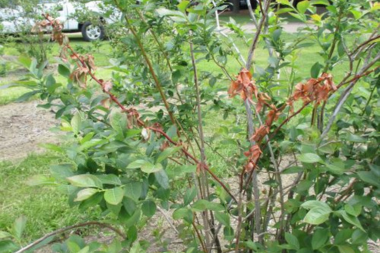
PC: MSU Department of Agriculture and Natural Resources
Michigan’s freeze-thaw cycles, long winters, wet springs, and humid summers can be especially hard on non-native plants that weren’t bred for these extremes.
Warning signs to consider:
- Plants that look healthy the first summer but fail to come back strong in spring
- Split bark, dieback at the tips, or delayed leaf growth after winter
- Repeated “winter burn” despite wrapping or covering the plant each year
When plants consistently struggle to rebound after winter, it’s often a sign they’re not suited for Michigan’s seasonal stress, not that you’re caring for them incorrectly.
2. Increased Maintenance and Ongoing Replacement
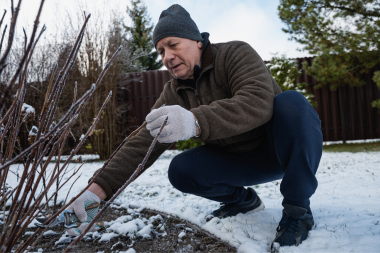
Non-native plants often require more hands-on care to survive outside their ideal environment.
Warning signs to consider:
- Frequent watering even after plants are established
- Needing to fertilize more often just to maintain basic growth
- Replacing the same plants every few years because they thin out or die
Over time, this cycle of extra maintenance and replacement can quietly increase the cost and effort required to keep your landscape looking full and healthy.
3. Poor Performance in Michigan Soil Conditions
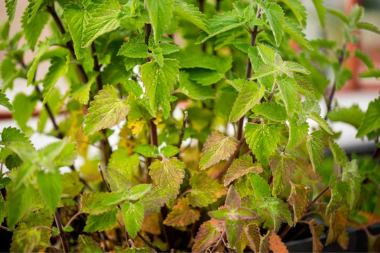
PC: The Spruce
Many non-native plants are designed for looser, sandier, or more consistently dry soils, very different from Michigan’s common clay-heavy or moisture-retentive soils.
Warning signs to consider:
- Yellowing leaves even when watering seems adequate
- Slow growth or stunted size compared to expectations
- Mushy roots or plants that collapse after heavy rain
These issues often indicate poor root development, making plants more vulnerable to disease and seasonal stress.
4. Increased Risk of Pests and Disease
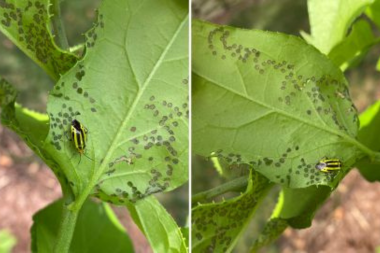
PC: MSU Department of Agriculture and Natural Resources
Non-native plants don’t always have the same natural defenses against local pests and pathogens.
Warning signs to consider:
- Repeated insect infestations on the same plant species
- Leaf spotting, mildew, or fungal growth that returns year after year
- Nearby native plants are thriving, while one specific plant consistently struggles
This imbalance often leads to more chemical treatments, which can impact the rest of the landscape over time.
5. Overgrowth and Unpredictable Spreading
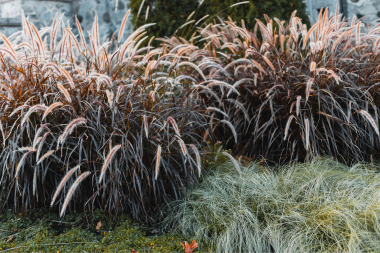
PC: The Spruce
Some non-native plants adapt too well and begin to outcompete the surrounding vegetation.
Warning signs to consider:
- Plants spreading beyond their intended beds
- Roots or runners appearing in lawns, gardens, or near hardscapes
- Nearby plants are thinning or disappearing altogether
Once established, aggressive spreaders can be difficult and costly to fully remove.
6. Reduced Support for Local Wildlife
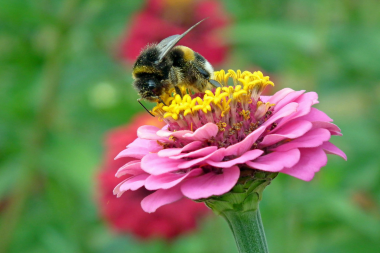
Landscapes filled with non-native plants often look attractive but function poorly within Michigan’s ecosystem.
Warning signs to consider:
- Fewer pollinators, like bees and butterflies
- Birds are visiting the yard less frequently
- Landscapes that feel “quiet” despite being lush and green
Native plants tend to better support local wildlife, creating healthier, more balanced outdoor spaces.
7. Shorter Lifespan and Long-Term Disappointment
Many homeowners choose plants based solely on appearance, only to find they don’t hold up over time.
Warning signs to consider:
- Plants are declining after just a few seasons
- Landscaping that never fully fills in the way it was intended
- Feeling like the yard constantly needs fixing instead of simply maintaining
When plants aren’t designed for long-term success in Michigan, even well-designed landscapes can fall short of expectations.
8. Difficulty Integrating with the Surrounding Landscape
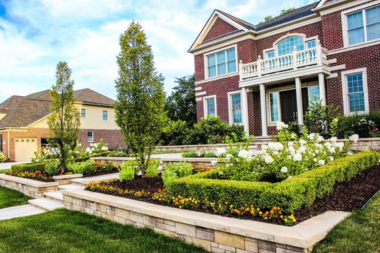
PC: LawnGuru
Non-native plants can visually and functionally clash with the rest of a Michigan yard, especially when paired with native or climate-adapted species.
Warning signs to consider:
- Certain plants stand out in an unnatural way compared to the surrounding landscaping
- Seasonal color or texture that feels “off” during spring and fall transitions
- Beds that look disjointed, even when they’re well-maintained
When plants aren’t adapted to the same growth cycles, soil conditions, and seasonal changes, the landscape can feel unbalanced instead of cohesive. Over time, this makes it harder to achieve a natural, intentional look, especially in settings where you want your yard to feel connected to our state’s environment.
7 Plants to Avoid Incorporating Into a Michigan Yard
Not all plants that look beautiful or trendy are a good fit for Michigan. Some struggle with the climate, soil, or local pests, while others can become invasive or require constant maintenance. Being aware of these plants helps prevent costly mistakes and keeps your landscape healthy and balanced.
Types of plants to avoid:
- Tender Tropical Plants
- Examples: Gardenia, Banana plants, Hibiscus
- Struggle to survive Michigan winters, even with protection.
- Plants That Require Consistently Dry or Sandy Soil
- Examples: Lavender, Mediterranean herbs
- Often show yellowing leaves or root rot in our clay-heavy, moisture-retentive soils.
- Invasive Non-Native Plants
- Examples: Japanese Barberry, English Ivy, Norway Maple
- Can spread aggressively, outcompeting native species and reducing biodiversity.
- High-Maintenance Ornamentals
- Examples: Certain Boxwoods, Azaleas (non-hardy varieties), Crape Myrtle
- Require frequent pruning, fertilizing, and winter care; may die if not perfectly tended.
- Plants Sensitive to Freeze-Thaw Cycles
- Examples: Camellia, Japanese Maple (delicate varieties)
- Can suffer bark splitting, dieback, or stunted growth during harsh Michigan winters.
- Exotic Ground Covers
- Examples: Pachysandra, Sweet Woodruff
- May thrive in shade but struggle in our freeze-thaw cycles or become invasive.
- Overly Aggressive Non-Native Grasses
- Examples: Pampas Grass, Fountain Grass (non-hardy cultivars)
- Can spread quickly and crowd out native grasses or perennials.
Next Steps to Upgrading Your Michigan Yard
Selecting the right plants for your Michigan yard is about more than just aesthetics. Climate, soil, and seasonal changes play a big role in whether a plant will thrive in the long term.
By understanding the challenges of non-native plants, recognizing warning signs, and focusing on native or well-adapted species, you can create a healthy, low-maintenance landscape that looks great year after year.
Custom Built’s landscaping guidance combines practical experience with a deep knowledge of Michigan’s unique environment, helping homeowners design yards that are both beautiful and sustainable.
Ready to plan your ideal Michigan landscape? Click the button below to explore our tips and schedule a free consultation with our team.

Now that you know more about problems with adding non-native plants to your Michigan yard, let’s take a look at the characteristics to look for in a reputable landscaping company, the top flora to plant for your deck, and terms you should know before starting your project:
- 7 Qualities of a Reliable Landscaping Company - Make the right choice while vetting your landscaping company options with our high-level article.
- 10 Best Plants for Your Michigan Deck - Discover the top foliage to incorporate into your Michigan outdoor living space for top-tier aesthetics and durability.
- The Ultimate Guide to Landscaping Terms for Your Home Remodel - Want to add more landscaping jargon to your vocabulary? Check out our guide to common terms.