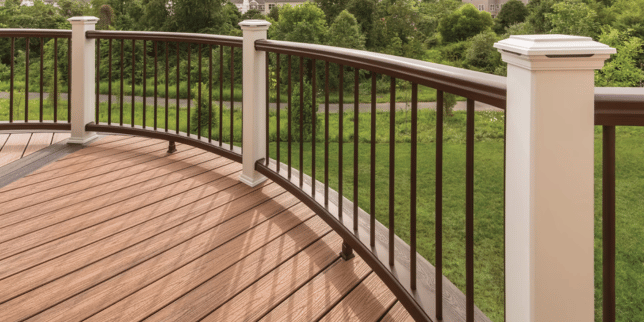


A new composite deck is a huge investment, and it's easy to focus on finding the lowest price. As you compare contractors, you may notice that some bids are much lower than others and wonder why.
The difference isn't just about cost. Hiring an unlicensed contractor can affect insurance, permits, warranties, liability, and how well your deck is built.
As a Greater Lansing composite deck builder, we’ve seen homeowners face costly problems caused by poorly constructed projects or unqualified contractors. We’ve also helped replace decks that ended up costing much more because they weren’t done right the first time.
In this article, we’ll explain the eight differences between licensed and unlicensed composite deck contractors:
- Licensing and Legal Requirements
- Insurance and Liability Protection
- Composite Decking Installation Experience
- Permits and Inspections
- Project Management and Communication
- Deck Quality and Long-Term Durability
- Accountability and Warranty Protection
- Overall Homeowner Experience
1. Licensing and Legal Requirements

Hiring an unlicensed composite decking contractor may seem like an easy way to reduce costs. However, many homeowners don't realize how much responsibility shifts onto them when they make that decision.
Furthermore, under Article 24 of the Michigan Occupational Code, any residential construction, alteration, or remodeling project totaling $600 or more (including labor and materials) legally requires a state license.
Licensed Composite Deck Contractors
Licensed contractors are fully vetted business entities. To hold a license from the Michigan Department of Licensing and Regulatory Affairs (LARA), a builder must complete 60 hours of pre-licensure education, covering state building codes, safety standards, and risk management, and pass a comprehensive state examination. They are legally authorized to manage construction under state building requirements.
Key Considerations
- Fully compliant with Michigan Occupational Code requirements
- Accountable to LARA professional conduct standards
- Familiar with local and statewide deck building requirements
- Legally permitted to manage building applications and inspections
- Provide professional, state-recognized oversight throughout the project
Unlicensed Composite Deck Contractors
Yes, you can physically hire unlicensed individuals to work on your home. However, under Michigan law, doing so means you are not hiring a legal contractor; you are essentially becoming an employer, assuming all of the legal responsibilities of the job site.
Key Considerations
- Homeowner assumes strict legal and financial liability
- Absence of a LARA-certified license means no state-level consumer recourse if the contractor disappears
- Contractor cannot legally pull structural building permits
- Under MCL 339.2412, unlicensed builders cannot sue you for non-payment, but they also lack the oversight that guarantees a safe build
- Limited protection if structural issues arise post-construction
Why It Matters
Many homeowners focus on upfront cost savings without considering the legal risks. Under the Michigan Occupational Code, the threshold is incredibly low at just $600. Because a composite deck is a major structural addition that easily exceeds this amount, hiring an unlicensed builder means violating state building regulations from day one.
If construction mistakes, structural failures, or property damage happen, you may be held entirely responsible for problems that a LARA-licensed contractor is legally required to handle. The few thousand dollars saved upfront can disappear instantly if legal or structural problems arise.
2. Insurance and Liability Protection

One of the biggest differences between licensed and unlicensed contractors is insurance coverage.
Licensed and Insured Contractors
A licensed contractor should also carry insurance designed to protect both parties.
Key Considerations
- Workers' compensation coverage
- General liability insurance
- Property damage protection
- Coverage for jobsite accidents
- Financial protection for unexpected events
Unlicensed Contractors
Many unlicensed contractors either lack insurance entirely or carry inadequate coverage.
Key Considerations
- Property damage may not be covered
- Jobsite injuries may become homeowner liability
- Greater financial exposure
- Potential legal complications
- Limited protection if something goes wrong
Why It Matters
Imagine a worker falls from your deck during construction, or materials damage part of your home. With a licensed and insured contractor, there is typically a process for addressing those situations. Without proper coverage, you may face significant financial consequences from unexpected incidents.
3. Composite Decking Installation Experience
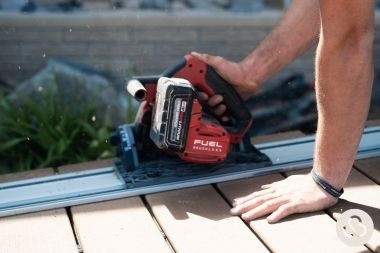
Composite decking isn't installed the same way as traditional wood decking.
Experienced and Licensed Composite Deck Installers
Qualified composite deck contractors understand manufacturer requirements and installation best practices.
Key Considerations
- Hidden fastening systems
- Expansion and contraction requirements
- Composite stair construction
- Fascia installation methods
- Composite railing systems
Unlicensed Installers
Improper installation can affect both performance and warranty coverage.
Common Installation Mistakes
- Screwing composite boards like treated lumber
- Using incorrect fasteners
- Ignoring spacing requirements
- Improper fascia attachment
- Incorrect railing installation
Why It Matters
Composite decking products are designed to last for decades, but only when installed properly. Installation mistakes can cause the deck to wear out faster, create safety issues, and void the warranty. If the contractor installs the deck incorrectly, you may have to pay for repairs or replace the deck sooner than expected.
4. Permits and Inspections

Permits and inspections ensure your deck is built safely according to the Michigan Residential Code (MRC).
Licensed Contractors
A professional builder handles the entire permitting and inspection process from start to finish with your local Greater Lansing building department.
Key Considerations
- Pulls structural permits under their own company name and license
- Assumes full legal and structural liability for code compliance
- Coordinates directly with municipal inspectors
- Protects your home’s resale value with clean, documented approvals
Unlicensed Contractors
Because the state code restricts permit issuance to licensed professionals or property owners, unlicensed individuals cannot legally pull building permits. They will almost always ask you to pull an "Owner-Builder" permit.
Key Considerations
- Shifts 100% of the structural and architectural liability to the homeowner
- Requires you to sign a legal document certifying that you are supervising the labor
- Increases the risk of project shutdowns if the work fails code checks
Why It Matters: The 42-Inch Frost Line
When you pull a permit yourself, you assume structural risks you might not fully understand. And in Mid-Michigan, our climate makes those risks incredibly costly.
Section R403.1.4 of the Michigan Residential Code mandates that all exterior deck footings must extend a minimum of 42 inches below finished grade.
This 42-inch rule is non-negotiable. If an unlicensed installer digs shallow footings, Mid-Michigan's winter freeze-thaw cycles will cause "frost heave." The freezing ground expands, pushing the footings upward, warping your expensive composite boards, and potentially tearing the deck away from your home's foundation.
Local building officials will physically inspect these post holes before any concrete is poured. If an unlicensed worker cuts corners and digs above the 42-inch frost line, the inspection fails, construction halts, and you are left paying out-of-pocket to redig the foundation.
5. Project Management and Communication

Licensing does not guarantee good communication. However, it often indicates a more established business structure.
Licensed Contractors
Professional contractors typically have systems in place to manage projects effectively.
Key Considerations
- Defined project schedules
- Communication processes
- Material ordering systems
- Trade coordination
- Change order procedures
Unlicensed Contractors
Project management is often less formal.
Key Considerations
- Unclear schedules
- Limited communication
- Inconsistent oversight
- Fewer accountability measures
- Greater homeowner involvement
Why It Matters
A composite deck project may seem simple, but:
- Delays
- Material shortages
- Weather
- Inspections
- Subcontractor scheduling
can all affect the outcome. Strong project management helps cut surprises and keeps homeowners informed throughout the process.
6. Deck Quality and Long-Term Durability
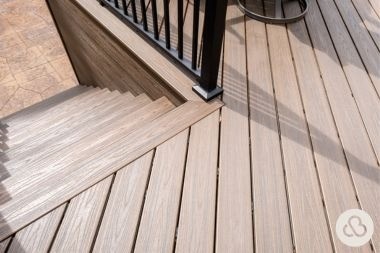
Composite decks are designed to provide decades of low-maintenance performance.
Licensed and Knowledgeable Contractors
When installed correctly, composite decking can deliver exceptional longevity.
Key Considerations
- Proper structural support
- Manufacturer-compliant installation
- Long-term durability
- Better appearance retention
- Improved performance over time
Unlicensed Contractors
Quality can vary dramatically.
Key Considerations
- Unknown installation practices
- Potential structural concerns
- Reduced lifespan
- Greater maintenance needs
- Higher risk of future repairs
Why It Matters
A composite deck should be a long-term investment. If it's built incorrectly, you may experience issues years later that could have been avoided with proper construction.
7. Accountability and Warranty Protection
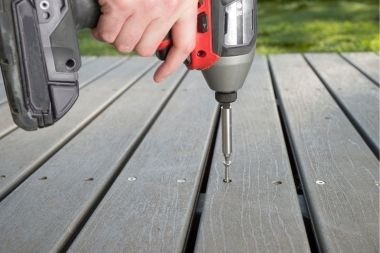
Warranty coverage is often one of the most valuable benefits of hiring an experienced contractor.
Licensed Contractors
Experienced contractors help protect both labor and material warranties.
Key Considerations
- Manufacturer warranty support
- Labor warranty options
- Documentation assistance
- Installation compliance
- Greater accountability
Unlicensed Contractors
Warranty protection becomes far less certain.
Key Considerations
- Potential warranty voids
- No labor warranty
- Limited recourse if problems occur
- Installation errors may not be covered
- Greater homeowner responsibility
Why It Matters
Many composite decking products carry warranties lasting decades. However, those warranties often depend on proper installation. A contractor who ignores manufacturer requirements may eliminate the very protection you purchased.
8. Overall Homeowner Experience
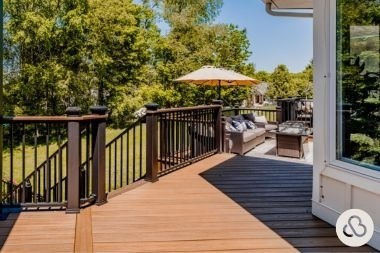
Choosing the right contractor has a direct impact on how your project feels from start to finish and how well it holds up over time. Beyond the design itself, the contractor you choose determines how much risk, responsibility, and support you have throughout the process.
Benefits of Hiring a Licensed Contractor
- Professional oversight: The project is managed by a contractor who understands building codes, materials, and proper installation methods.
- Insurance protection: Coverage helps protect homeowners from financial responsibility if accidents or damage occur.
- Permit management: The contractor handles permits and inspections to ensure the project meets local requirements.
- Better accountability: Licensed contractors are responsible for meeting standards and completing the work as agreed.
- Greater peace of mind: Homeowners can feel more confident knowing the project is being handled by a qualified professional.
Risks of Hiring an Unlicensed Contractor
- Increased liability: Homeowners may be responsible if injuries, damage, or issues occur during the project.
- Reduced accountability: There is less oversight and fewer protections if the work is not done correctly.
- Potential warranty issues: Improper installation can void manufacturer warranties on materials.
- Greater financial risk: Mistakes or repairs often come out of the homeowner’s pocket.
- Uncertain project outcomes: Quality, timeline, and final results can vary widely without professional standards.
Why It Matters
The goal isn't simply to build a deck. The goal is to create an outdoor living space that performs safely, looks great, and lasts for decades. Most homeowners find that the protections and expertise provided by a licensed contractor are well worth the investment.
Next Steps to Building or Remodeling Your Greater Lansing Composite Deck
A composite deck is one of the largest outdoor investments you'll make for your home. An unlicensed contractor may cost less at first, but it can lead to repairs, safety problems, warranty issues, and stress later.
Licensing, insurance, experience, warranties, and accountability all matter when building a long-lasting deck.
At Custom Built Design & Remodeling, we help Greater Lansing homeowners build composite decks that are built to last and meet Michigan standards.
If you're planning a new deck, schedule a consultation with our team to talk about your goals and learn what to look for when comparing contractors.

Now that you know more about the differences between licensed and unlicensed composite decking contractors, let’s explore if composite decks are cheaper than wood, what the best deck builders have in common, and our design-build deck services:
- Are Composite Decks Cheaper Than Wood? A Full Cost Comparison for Lansing Homeowners - Compare the upfront costs, maintenance, lifespan, and long-term value of composite and wood decks to determine which option offers the better investment for Lansing homeowners.
- What Do the Best Deck Builders in Greater Lansing, Michigan Have in Common? Insights from a Mid-Michigan Deck Contractor - Learn the five qualities that separate the best deck builders in Greater Lansing, from Michigan-specific construction practices and structural craftsmanship to thoughtful design and proven project processes.
- Custom Built Deck-Building Services - From design to construction, we create durable, beautiful decks tailored to your home, lifestyle, and budget while guiding you through every step of the process.
Topics: