
If you’re thinking about adding a new deck this spring, you’re probably picturing warm evenings, family dinners outside, and a space where everyone naturally gathers. But before you choose decking colors or railing styles, there’s a bigger question to answer: is your yard actually ready for it? Hidden drainage issues, unstable soil, setback restrictions, and underground utilities can quickly turn an exciting project into a stressful one.
At Custom Built Design & Remodeling, we’ve built decks all over Greater Lansing and Northern Michigan for over 20 years. We’ve seen what happens when water pools under a structure, when clay soil shifts with the seasons, or when a homeowner discovers too late that their property line isn’t where they thought it was.
In this article, we’ll walk you through the nine considerations to evaluate before building this spring, so you can move forward with clarity, protect your investment, and create an outdoor space your family can truly enjoy:
- Proper Grading and Drainage
- Stable Soil Conditions
- Clear Property Line Understanding
- Utilities Located and Accounted For
- Landscaping Won’t Interfere
- Sun and Shade Considered
- Access Points Make Sense
- Permit Timeline Is Realistic
- You Have a Clear Plan Going Into Your Build
1. Proper Grading and Drainage
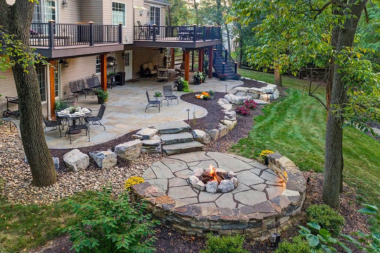
Water is one of the biggest threats to a deck.
You don’t want standing water underneath your deck. That’s a recipe for mold, mildew, and mosquitoes. And if you add skirting or a finished ceiling below the deck, you might not see the problem until damage has already started.
Ask yourself:
- Does water run away from the house or toward it?
- Is the deck area above or below ground level?
- After heavy rain, does water pool in that space?
Water should always move away from your foundation and your deck. In some cases, drain tile may be necessary to direct moisture away from the structure.
Standing water can:
- Damage materials
- Cause soil movement
- Lead to frost heaving
- Shorten the life of your deck
If your yard doesn’t drain properly, fix that first. It’s much easier to correct grading before construction begins.
2. Stable Soil Conditions

Your deck will sit on the soil for decades. If the soil isn’t stable, the deck won’t be either.
In Mid-Michigan, we see a lot of clay. Clay holds moisture and drains slowly. When it freezes, it expands. When it thaws, it settles. That movement, called heaving, can destroy a deck over time.
In Northern Michigan, soils tend to be sandier or a mix of sand and gravel, which drains much more quickly and is generally more stable for deck footings, but it can shift over time if not properly compacted. Knowing your soil type is key to ensuring a long-lasting deck.
We typically:
- Dig below the frost line
- Pour a concrete footing at the bottom of the hole
- Install posts on top of that concrete
This keeps wood out of constant moisture and allows water to drain away properly.
If your yard has:
- High peat content: You may need to dig much deeper to reach stable ground
- Sandy soil: Drainage is usually better
- Heavy clay: Footings may need special consideration
If you’re unsure, dig down to where your footing would sit and evaluate the soil. A soil test now can prevent major problems later.
Your deck is not designed to move up and down with the seasons. Build it on stable ground.
3. Clear Property Line Understanding
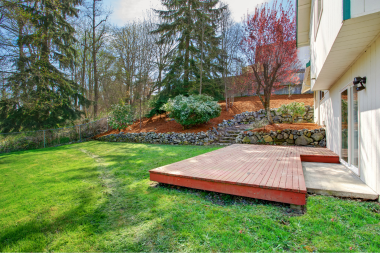
This is one of the most important conversations we have with homeowners.
Before building, you must know:
- Where your property lines are
- What your setback requirements are
- What your township or city allows
Front, rear, and side setbacks are often different. And just because your old deck was allowed years ago doesn’t mean a new one meets current guidelines.
If you rebuild or expand, you may be required to follow today’s rules.
If you accidentally build onto your neighbor’s property, you could:
- Be forced to tear it down
- Create legal issues
- Damage relationships
A professional survey can stake your property lines so your builder measures accurately.
If you’re close to a setback line, you may be able to request a variance. But that takes time and approval from your township.
Pull proper permits. Schedule inspections. Don’t skip steps, because your local building department won’t hesitate to make you remove non-compliant work.
4. Utilities Located and Accounted For

Before you dig anything, call Miss Dig or any professional excavator to locate and avoid damaging existing utilities.
There are too many stories of homeowners hitting:
- Gas lines
- Electrical lines
- Cable lines
- In-ground sprinkler systems
If you damage a utility line, you can face heavy fines and expensive repairs.
Even irrigation systems are easy to forget about until they’re cut in half during footing excavation. Locate everything first and protect your project.
5. Landscaping Won’t Interfere
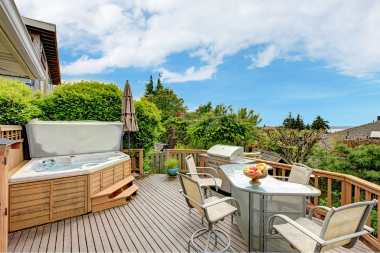
We understand wanting to preserve mature landscaping. Maybe it’s a tree that’s been there for decades. Maybe it’s your mom’s rose bush.
But building around delicate landscaping:
- Increases labor time
- Raises costs
- Adds risk
Heavy equipment and excavation can damage plants, roots, and concrete.
If you’re building near trees, consult an arborist. Digging through a major tap root can kill a healthy tree.
If you’re building around concrete stairs or slabs, make sure they’re properly supported so excavation doesn’t shift them.
Sometimes the deck design needs to shift to protect what matters. It’s better to make that decision early.
6. Sun and Shade Considered
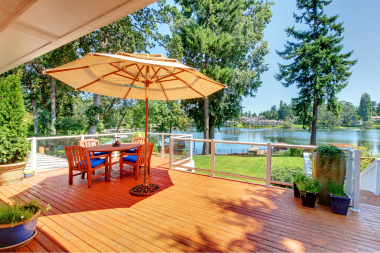
Where is your deck located? If it’s on the west or south side of your home, it will get intense afternoon sun. That might make it uncomfortable in July and August.
You may need to consider:
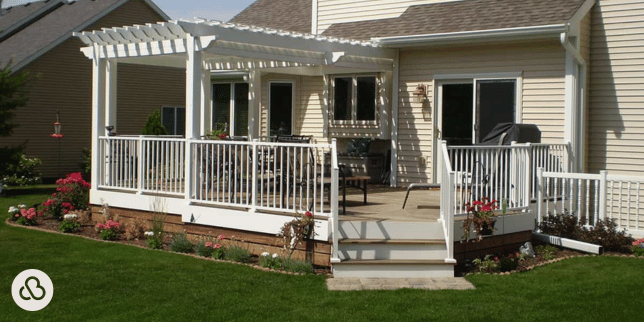
- A pergola
- A covered roof
- A retractable awning
- Shade systems
Think beyond spring. How will it feel in peak summer heat? Planning for sun exposure early ensures you’ll actually enjoy the space.
7. Access Points Make Sense
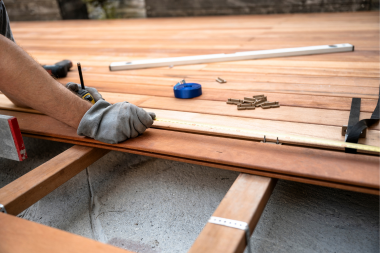
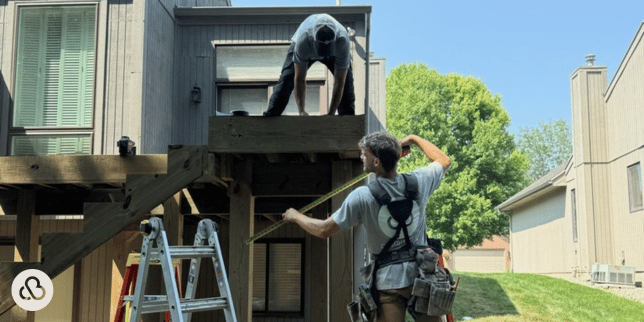
Deck construction requires heavy equipment and materials, from excavation tools and concrete for footings to lumber, beams, and fastening systems that all need to be carefully delivered, staged, and installed on-site.
Because of this, the process involves more than just building above ground; it also includes preparing the foundation, ensuring proper support, and coordinating each phase of construction to create a safe, long-lasting structure.
Ask yourself:
- How will materials get to the backyard?
- Is there fence access?
- Will concrete need to be pumped over the house?
- Will materials be wheelbarrowed by hand?
Deck construction often involves real-world site constraints that can impact both planning and execution. For example, fences may need to be temporarily removed and later replaced, and limited access can require equipment like concrete pumps, which adds to the overall cost. These factors also increase labor time, since crews may need to work more carefully or in tighter conditions.
While almost any challenge can be worked through, access and site conditions directly influence the budget. Having these conversations early helps set clear expectations and prevents surprise costs later in the project.
8. Permit Timeline Is Realistic

Permits are typically issued within a week. Inspections, however, can vary.
Depending on how busy your township is, you may wait:
- A day
- A few days
- Sometimes a week or more
Because deck construction is weather-sensitive, these timing gaps can matter. For example, if footings are dug and rain fills the holes before an inspection is completed, it can create delays and require additional work to correct.
To keep the project moving smoothly, it’s important to plan for these variables in advance. Covering open excavations when needed and setting realistic expectations around inspection timing can help avoid setbacks.
Since inspection schedules are ultimately controlled by the local building department, it's beneficial to understand the process early and coordinate closely with the township whenever possible.
9. You Have a Clear Plan Going Into Your Build
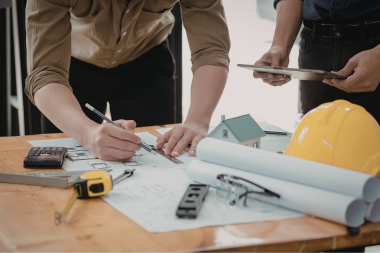
A deck plan cannot live on a cocktail napkin.
Your building department requires:
- Material specifications
- Beam spans
- Post depth
- Structural details
Even if you plan to build it yourself, you need professional drawings. Some builders can provide “plans only” or design and build the full project. But either way, you need a clear roadmap.
Disclaimer: If you change the size mid-project, you must notify the building department. They inspect based on the submitted plans.
A solid plan:
- Keeps inspections smooth
- Protects your investment
- Allows someone else to step in if needed
- Prevents costly corrections
Next Steps to Building or Remodeling Your Deck
Before breaking ground on your new deck, it’s essential to ensure your yard is properly prepared. Factors like proper drainage, soil stability, and utility placement can make all the difference in the longevity and functionality of your project.
By tackling these key elements now, you’ll set the stage for a smooth build and a deck that lasts for years to come.
At Custom Built Design & Remodeling, we’re here to help you design and build a deck that works perfectly for your home and your family’s needs. Our team ensures every detail is accounted for, so you can enjoy a flawless outdoor space.
Contact us today for a consultation. We’ll assess your yard and help you plan a deck that fits seamlessly into your home this spring.

Now that you know more about how to tell if your yard is ready for a new deck this spring, let’s explore what happens if you delay repairs found during spring home inspections, if spring is a good time for a project, and our design-build deck-building services:
- What Happens If You Delay Repairs Found During Spring Home Inspections? - Discover the risks of postponing repairs identified during spring home inspections and how addressing them early can help prevent larger, more costly issues.
- Is Spring a Good Time for a Home Remodeling Project? - Learn the advantages and potential challenges of starting a home remodeling project in the spring, and how early planning can help you secure your ideal timeline.
- Custom Built Deck-Building Services - From design to construction, we create durable, beautiful decks tailored to your home, lifestyle, and budget while guiding you through every step of the process.