
Michigan homeowners have no shortage of options when it comes to creating a patio, walkway, or other outdoor living space. But with freezing temperatures, heavy snow, moisture, and repeated freeze-thaw cycles, the paver material you choose can have a major impact on how your space looks and performs over time.
As a Greater Lansing patio and porch builder, we understand that choosing between concrete, natural stone, brick, and other outdoor paving materials is about more than finding a style you like. The right choice also needs to fit your budget, the look of your home, how you plan to use the space, and Michigan's demanding weather conditions.
In this guide, we'll compare the most common paver options for Michigan outdoor living spaces, including the advantages and drawbacks of each material, so you can make a more informed decision about the best fit for your property:
- Concrete Pavers: A Versatile Option for Michigan Outdoor Spaces
- Natural Stone Pavers: A High-End, Organic Look
- Brick Pavers: A Classic Choice for Outdoor Living Spaces
- How to Choose the Right Paver Options for Your Michigan Outdoor Living Space
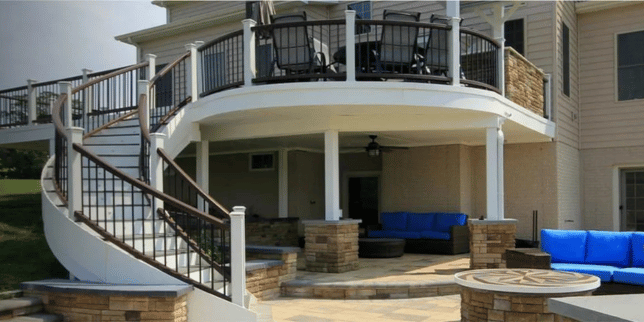
Header PC: American Paving Design
Concrete Pavers: A Versatile Option for Michigan Outdoor Spaces
PC: Belgard
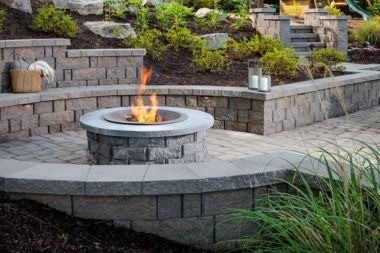
Concrete pavers are one of the most flexible choices for Michigan patios, walkways, and other outdoor living spaces. They offer a wide range of colors, patterns, and shapes, making them a practical option for homeowners who want more design control without the cost of natural stone.
Pros
- Cost-Effective: Concrete pavers can provide a finished, attractive outdoor surface at a lower cost than many natural stone options.
- Highly Customizable: Concrete can be stained, stamped, shaped, and designed in a wide variety of patterns beyond simple square or rectangular layouts.
- Many Design Options: Homeowners can choose from numerous colors, textures, finishes, and styles to create a look that complements their home.
- Easy to Integrate Into Custom Designs: Because concrete can be formed into different shapes, it works well for curved patios, unique walkways, and other custom layouts.
Cons
- Can Be Vulnerable to Cracking: Larger concrete sections are more susceptible to cracking as Michigan temperatures shift through repeated freeze-thaw cycles.
- Size Matters: Concrete pavers around 2-by-2 feet generally perform well, while larger sections may need divots or additional design features to help manage cracking.
- Can Fade Over Time: Concrete may lose some of its original color and finish more quickly than certain natural stone materials as it weathers.
Natural Stone Pavers: A High-End, Organic Look
PC: Lowe’s
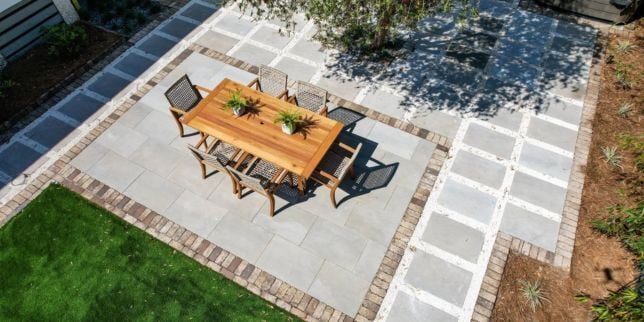
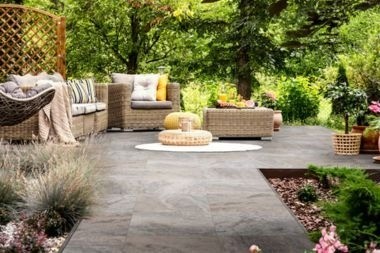
Natural stone pavers offer a more organic appearance and can give an outdoor living space a high-end, timeless feel. Popular options include flagstone, bluestone, and limestone, each offering its own color, texture, and visual character.
Flagstone
PC: The Spruce
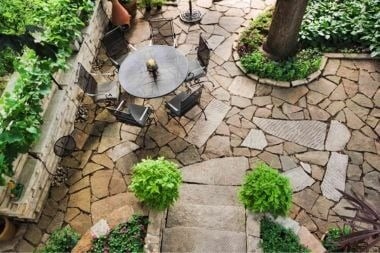
Known for its natural, irregular shapes, flagstone creates a more relaxed and organic appearance that works well for patios, walkways, and other informal outdoor living spaces. Its varied edges and natural textures can give each installation a distinctly custom look.
Bluestone
PC: HomeGuide
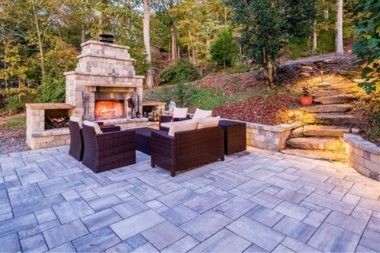
A popular high-end option, bluestone offers a refined appearance with blue-gray tones and a relatively consistent surface that works well in more structured patio and walkway designs. Its clean appearance makes it especially well suited to homeowners who want natural stone with a more polished, intentional look.
Limestone
PC: HomeGuide
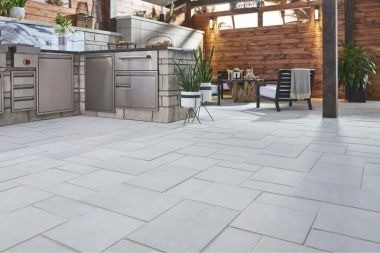
Limestone provides a softer, more natural appearance with lighter colors and subtle variations, making it a good fit for homeowners seeking a warm, understated outdoor aesthetic. Its lighter tones can also help create a brighter, more open feel in patios and other outdoor living spaces.
Pros
- High-End Appearance: Natural stone creates a refined, organic look that can make patios, walkways, and outdoor living spaces feel more distinctive.
- Naturally Durable: Many natural stone materials are well suited to Michigan's temperature changes and are less prone to the cracking associated with some larger concrete surfaces.
- Long-Lasting: When properly selected and installed, natural stone can provide a durable surface that holds up for many years.
- Unique Character: Variations in color, texture, and pattern give each installation a more natural appearance than manufactured materials.
Cons
- Higher Cost: Natural stone is generally more expensive than concrete pavers, especially when using premium materials or more complex installation patterns.
- Less Malleable: While stone can be cut into different shapes, it does not offer the same design flexibility as concrete, which can be formed into almost any shape.
- Material Variation: Natural variations in color, texture, and thickness can make the installation less uniform than manufactured pavers.
Brick Pavers: A Classic Choice for Outdoor Living Spaces
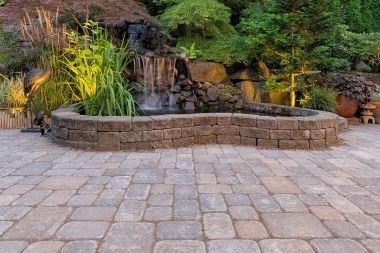
Brick pavers have remained popular because they work with a wide range of home styles and offer a classic appearance. They are available in many colors, patterns, and styles, making them a versatile option for patios, walkways, and other outdoor areas.
Pros
- Works With Many Home Styles: Brick pavers can complement traditional, historic, transitional, and even more modern home designs.
- Long-Lasting: Properly installed brick pavers can provide a durable outdoor surface that holds up well over time.
- Many Colors and Styles: Homeowners can choose from a wide range of colors, textures, and patterns to create a customized look.
- Resistant to Large Cracks: Because brick pavers are installed as smaller individual units, they are less likely to develop the large cracks that can affect expansive concrete surfaces.
- Growing Variety of Shapes: Modern brick pavers are now available in more shapes and sizes than the traditional rectangular brick.
Cons
- Installation Quality Matters: Brick pavers that are installed incorrectly can crack or become unstable under pressure.
- Can Shift Over Time: Individual bricks can move or settle, creating uneven walkways or patio surfaces if the base below them is not properly prepared.
- Requires a Proper Foundation: Thorough preparation of the soil and base material is essential to prevent shifting, settling, and uneven surfaces.
- Price Can Vary: The cost of brick pavers can differ significantly depending on the material quality, style, and installation requirements.
How to Choose the Right Paver Option for Your Michigan Outdoor Living Space
Choosing the right paver material starts with how you plan to use the space. A patio designed for outdoor dining and entertaining may need a different surface than a garden walkway, pool area, or casual seating space. Your budget, preferred style, maintenance expectations, and the material's ability to handle Michigan's freeze-thaw cycles should all factor into the decision.
Consider Your Budget
Concrete and brick pavers can provide attractive, durable options at a range of price points, while natural stone typically requires a larger investment. Understanding your budget early can help narrow your options before you begin comparing colors, patterns, and finishes.
Think About Your Home's Style
The paver material should complement your home's existing architecture and exterior materials. Brick may be a natural fit for a traditional home, while natural stone can create a more organic appearance. Concrete offers the flexibility to achieve a wide range of looks.
Plan for Michigan Weather
Michigan's freezing temperatures and repeated freeze-thaw cycles make proper material selection and installation especially important. Consider how the material will respond to seasonal changes, as well as the quality of the base, drainage, and installation beneath the finished surface.
Consider Maintenance
Different materials require different levels of maintenance. Some surfaces may require more regular cleaning, sealing, or resetting, while loose materials such as peastone can require periodic raking and redistribution. Think about how much ongoing maintenance you are willing to handle before choosing a material.
Match the Material to How You Use the Space
A material that looks great may not be the best choice for every application. If you want a comfortable surface for outdoor dining, entertaining, or walking barefoot, a stable, smooth paver may be more practical than loose stone. For a walkway or decorative area, other materials may provide the look and function you want.
Work With the Overall Design
The pavers are only one part of the outdoor living space. The layout, surrounding landscaping, existing walkways, retaining walls, and connection to the home should all work together. A thoughtful design can help the paver material feel like a natural part of the property rather than a separate surface added afterward.
At Custom Built, we help homeowners compare outdoor living materials based on the goals, layout, and conditions of their specific property. By considering both the appearance and long-term performance of each option, you can choose a paver material that fits the way you want to use your Michigan outdoor living space.
Next Steps to Building or Remodeling Your Michigan Outdoor Living Space
When choosing pavers for a Michigan outdoor living space, the right material should balance appearance, durability, maintenance, and your budget. Concrete, natural stone, and brick each offer different advantages, so the best choice depends on how you plan to use the space and how it needs to perform through Michigan's changing seasons.
At Custom Built, we help homeowners design outdoor living spaces with the materials, layout, and long-term performance of the project in mind. If you're planning a new patio, walkway, or outdoor living area, contact our team to discuss your goals and explore the options that make the most sense for your home.

Now that you know more about paver options for Michigan outdoor living spaces, let’s explore deck lighting ideas, deck privacy designs, and our patio and porch building services:
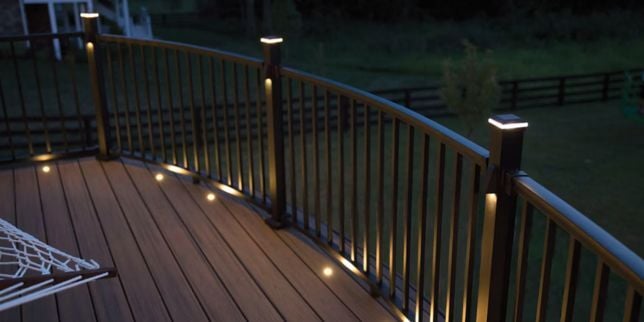
- 6 Deck Lighting Designs Michigan Homeowners Use Most: Ideas from a Greater Lansing Composite Deck Builder - Explore six popular deck lighting designs that improve safety, extend evening entertaining, and add style to Michigan outdoor living spaces.
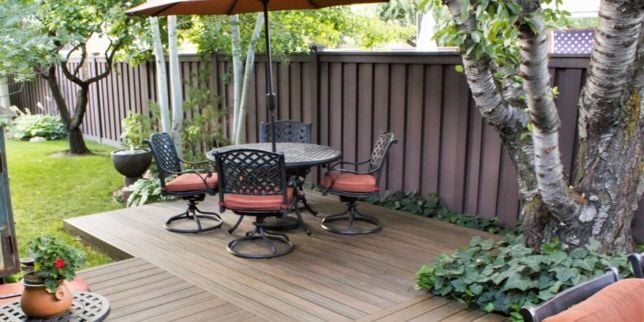
- 6 Best Deck Designs with Privacy for Michigan Homes: Inspiration from a Greater Lansing Deck Builder - Discover six deck design ideas that help Michigan homeowners create more private, comfortable outdoor spaces for relaxing and entertaining.
- Custom Built Patio and Porch Building Services - Create a more functional outdoor living space with Custom Built's patio and porch building services, designed around your home, property, and lifestyle.