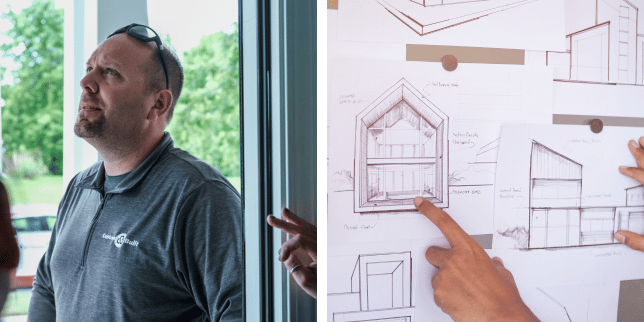
If you’re planning a home remodel, one of the first major decisions you’ll face is who you want to guide your project from design through construction. Many homeowners aren’t sure whether to hire an architect and a separate builder or work with a design-build firm, and that decision can significantly impact cost, timeline, and overall experience.
As a home improvement company, we work with homeowners throughout the Greater Lansing and Northern Michigan areas to simplify this process by managing both design and construction under one roof. We understand how overwhelming it can feel to coordinate multiple parties, compare approaches, and try to predict how each path will play out once construction begins.
In this article, we’ll break down the eight key differences between design-build firms and architects so you can better understand how each approach works and decide which one is the right fit for your remodeling project:
- One Team vs. Multiple Parties
- Real-Time Problem Solving
- Budget Alignment
- Timeline and Process Flow
- Communication and Accountability
- Scope of Design Services
- Cost Structure and Transparency
- Overall Project Experience
1. One Team vs. Multiple Parties
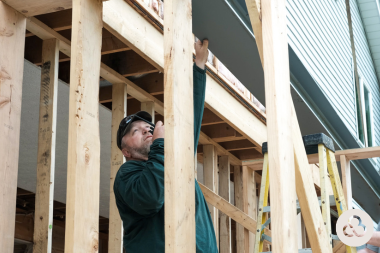
One of the most important differences between these two approaches is the number of separate companies involved in your project and how information is shared among them. This structure directly impacts communication speed, accountability, and the smoothness of decision-making during the remodeling process.
Design-Build Firm
- One integrated team handles design and construction.
- Designers and production teams collaborate throughout the project.
- Faster internal communication between departments.
- Fewer handoffs between separate companies.
- Builder input is included during the design phase.
Architect
- An architect completes the design independently.
- Plans are handed off to a general contractor for pricing and construction.
- You often coordinate communication between parties.
- Limited collaboration between design and construction teams.
- Builder feedback typically comes after the design is finalized.
Why It Matters to Know the Difference
- Helps you understand how communication will flow.
- Clarifies how many parties you’ll coordinate with.
- Sets expectations for project accountability.
- Reduces confusion early in the process.
2. Real-Time Problem Solving

During construction, it’s normal for questions, adjustments, or unexpected conditions to come up. What matters most is how quickly those issues are addressed and how easily decisions can be made without slowing the project down.
Design-Build Firm
- Field and design teams communicate directly.
- Issues are resolved immediately when they arise.
- No need to pause for outside approvals.
- On-site adjustments handled in real time.
- Continuous feedback loop between teams.
Architect
- Field issues are often sent back for architectural review.
- Waiting period for clarifications or revisions.
- Construction may pause until answers are received.
- Additional coordination required between parties.
- Timeline depends on external availability.
Why It Matters to Know the Difference
- Shows how quickly issues may be resolved.
- Helps you anticipate potential delays.
- Clarifies who makes decisions during construction.
- Prepares you for how changes are handled.
3. Budget Alignment

Budget clarity is one of the most important parts of any remodeling project, and the timing of cost establishment can significantly shape your overall experience. The approach you choose affects how early you understand investment levels and how closely the design aligns with your budget.
Design-Build Firm
- Budget is discussed at project kickoff.
- Design is developed within a defined investment range.
- Ongoing cost feedback during design decisions.
- Fewer surprises during estimating.
- The construction scope aligns with the budget from the start.
Architect
- Design is often completed before pricing is known.
- The construction cost is determined after bidding.
- Potential for redesign if over budget.
- Separate design and build cost phases.
- Budget clarity comes later in the process.
Why It Matters to Know the Difference
- Helps you understand when costs are defined.
- Clarifies how design impacts budget development.
- Reduces surprise during pricing or bidding.
- Improves early financial planning awareness.
4. Timeline and Process Flow

How a project moves from design into construction plays a major role in how long it takes to complete. The structure of the process determines how many steps are involved before work can begin.
Design-Build Firm
- One continuous workflow from design to construction.
- Permitting and estimating are integrated early.
- Faster transition into the building phase.
- No separate contractor selection process.
- Streamlined scheduling and sequencing.
Architect
- Design completed first, then sent out for bidding.
- You select the contractor after the design phase.
- Additional coordination before construction starts.
- Separate phases for design and build.
- Potential delays between steps.
Why It Matters to Know the Difference
- Helps you anticipate the overall project duration.
- Clarifies where delays can occur.
- Shows how smoothly the phases connect.
- Sets realistic expectations for scheduling.
5. Communication and Accountability

Clear communication and defined responsibility are critical to a smooth remodeling experience. The way teams are structured affects how questions are answered and how quickly issues are resolved.
Design-Build Firm
- Single point of contact.
- Internal communication between teams.
- Faster decision-making process.
- Clear responsibility across the entire project.
- Reduces the need for coordination on your part.
Architect
- Multiple communication channels are involved.
- You often relay information between parties.
- Architect and contractor operate separately.
- Responsibility can be split across teams.
- More of your involvement is required.
Why It Matters to Know the Difference
- Clarifies who you’ll communicate with most.
- Helps you understand decision pathways.
- Shows how issues are escalated and resolved.
- Reduces uncertainty around responsibility.
6. Scope of Design Services
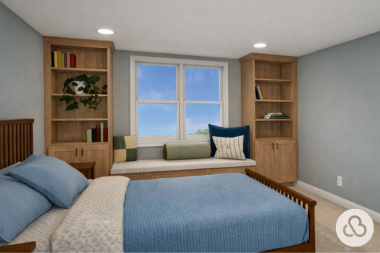
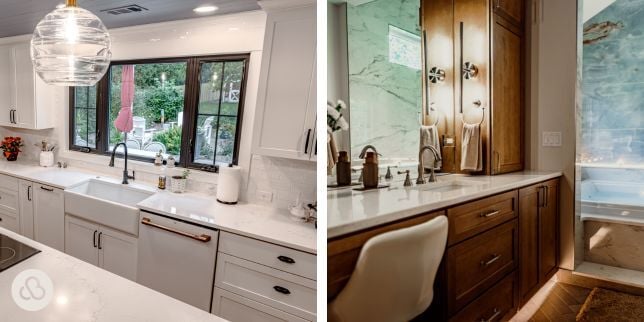
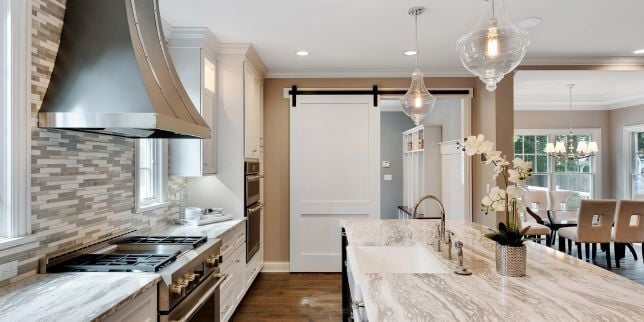
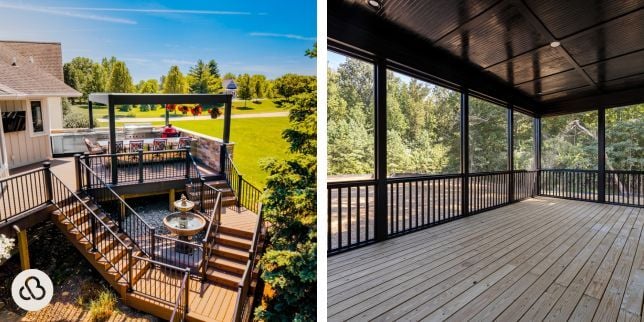
Example of Custom Built 3D Rendering From Recent Project

After Image of Recent Custom Built Project
Not all design services include the same level of detail or construction awareness. The depth of design involvement can influence how prepared a project is for construction.
Design-Build Firm
- Floor plans developed with buildability in mind.
- Structural considerations were included early.
- Interior selections and finishes guidance.
- 3D renderings and elevations available.
- Design aligned with construction methods.
Architect
- Focus on drawings and spatial layouts.
- Structural planning and measurements included.
- Limited involvement in selections or finishes.
- Buildability is refined after the design phase.
- Construction detailing is handled later.
Why It Matters to Know the Difference
- Helps you understand what is included in the design.
- Clarifies who handles selections and details.
- Shows how complete plans are before building.
- Reduces gaps between design and construction expectations.
7. Cost Structure and Transparency

How pricing is structured early in the process impacts how clearly you understand your total investment and how decisions are made along the way.
Design-Build Firm
- Integrated design and construction pricing.
- Fixed-price proposal after planning phase.
- Budget range established early.
- Fewer separate invoices.
- Cost tied to full project scope.
Architect
- Design billed separately, often hourly.
- Construction pricing is developed after the drawings.
- Potential for multiple revisions.
- Design and build costs are not combined.
- Final investment is defined later.
Why It Matters to Know the Difference
- Helps you understand how and when you’ll be charged.
- Clarifies how design affects the total project cost.
- Shows how pricing is developed and finalized.
- Reduces confusion around budgeting structure.
8. Overall Project Experience
Beyond structure and logistics, the biggest difference is how you experience the project day to day. This includes the amount of guidance you receive and how involved you need to be throughout the process.
Design-Build Firm
- Fully guided start-to-finish process.
- Help with selections and decisions.
- Coordinated trades and scheduling.
- Reduced homeowner management responsibilities.
- More streamlined experience overall.
Architect
- More homeowner coordination between parties.
- Greater involvement in selections and decisions.
- Separate communication with the builder and the architect.
- Higher level of project management required.
- Less centralized oversight.
Why It Matters to Know the Difference
- Helps you understand your level of involvement.
- Clarifies how hands-on the process will be.
- Sets expectations for coordination effort.
- Prepares you for the overall experience style.
Next Steps to Hiring Your Home Remodeling Partner
Choosing between a design-build firm and an architect plays a major role in how your remodeling project is managed, communicated, and ultimately experienced.
Understanding the differences in process, budgeting, communication, and accountability can help you select the approach that best fits your goals and level of involvement.
At Custom Built Design & Remodeling, we provide a fully integrated design-build process that keeps design and construction under one roof for a more streamlined experience.
Whether you’re just starting to explore ideas or ready to move forward, we’ll help you make a clear, confident decision about your next step. Let’s talk about your project and see what’s possible.

Now that you know more about the differences between design-build firms and architects in home remodeling, let’s explore the issues with working within allowances, the red flags of an unreliable roofing contractor, and our design-build remodeling services:
- 8 Problems With Working Within Allowances During Your Home Remodel - Learn how allowances can impact your remodeling budget, design choices, and final costs, and what to watch for before your project begins.
- 6 Red Flags of an Unreliable Roofing Contractor - Discover the key warning signs of an unreliable roofing contractor so you can avoid costly mistakes and choose a team you can trust.
- Custom Built Remodeling Services - Explore Custom Built Design & Remodeling’s full-service approach to home remodeling, where design and construction come together to deliver a seamless, guided experience from start to finish.
Topics: