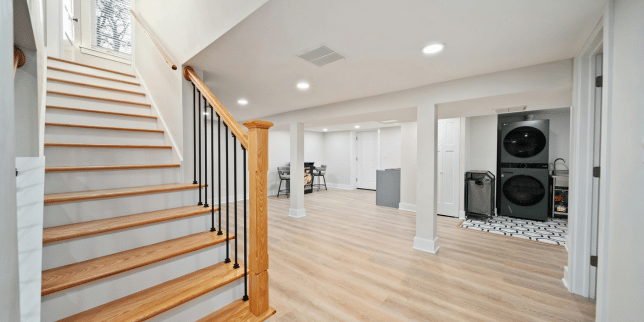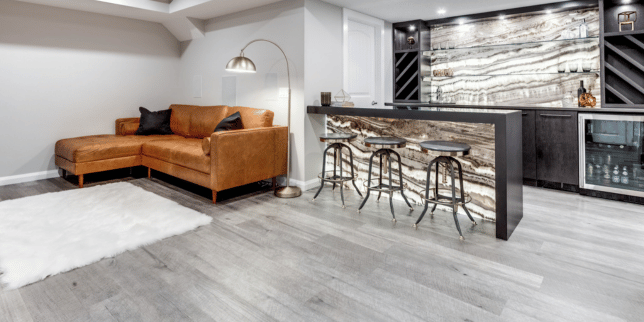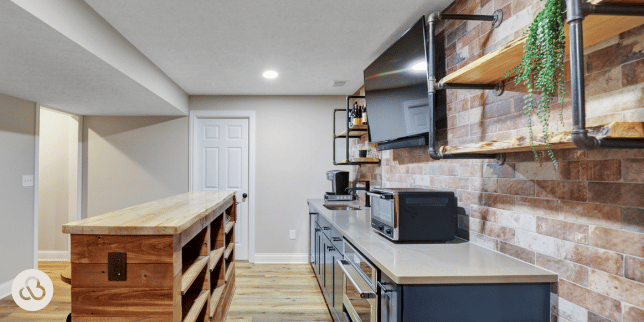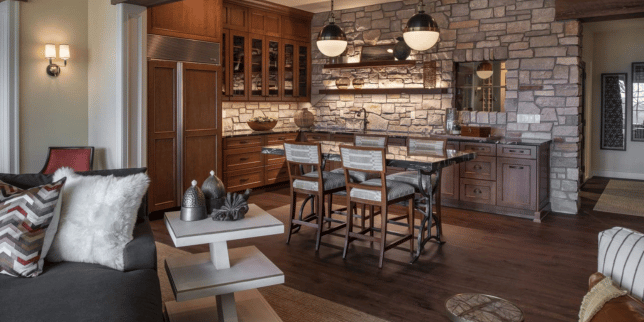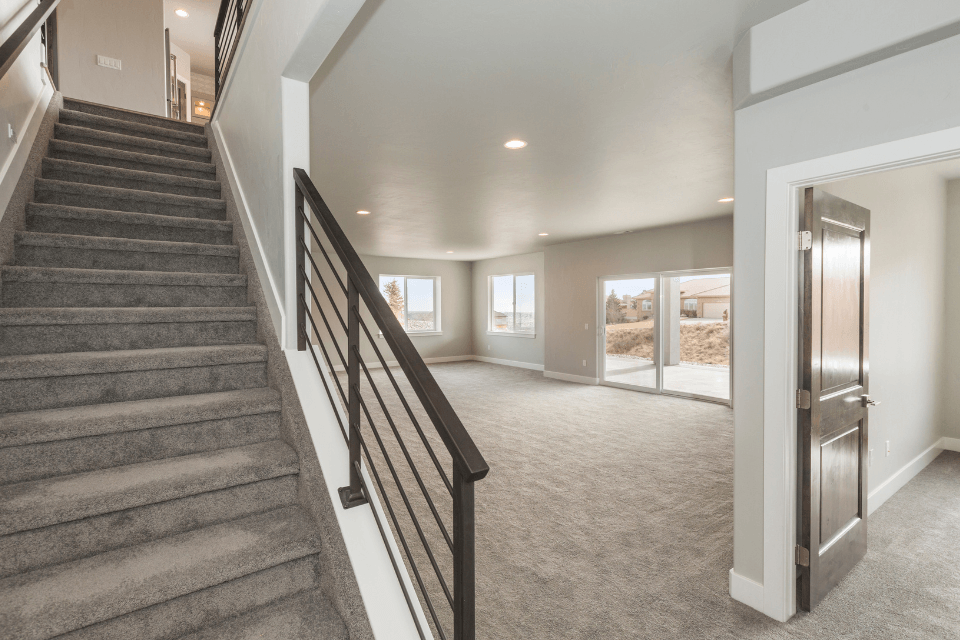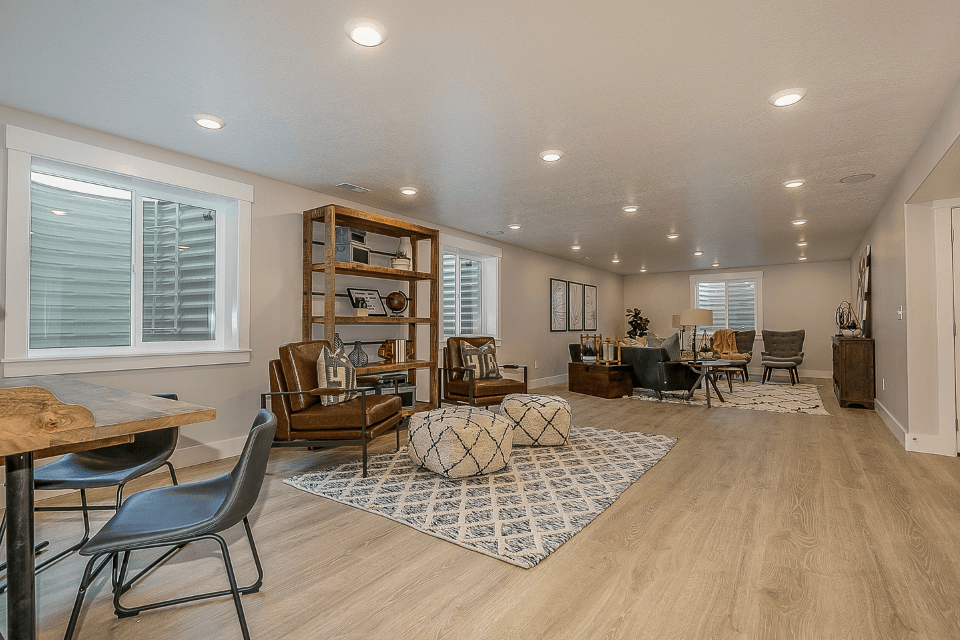

If you’re staring at your unfinished basement, wondering if it's worth the investment to transform it into a functional and inviting space, you’re not alone. Many homeowners face the challenge of converting their dark, unused basements into usable living areas that add both comfort and value to their homes.
As a full-service basement remodeler, we’ve worked with hundreds of homeowners in the Greater Lansing and Northern Michigan areas to help them turn their basements into functional living spaces. With over two decades of experience, we understand the local climate challenges and know exactly how to navigate them to ensure a durable and stylish outcome.
In this article, we’ll address your most common questions and provide expert insights on costs, timelines, materials, and the permits required for your basement remodel. By the end, you’ll be armed with the knowledge to make decisions that will ensure your basement remodel meets your needs, stays within budget, and adds lasting value to your home:
- How Much Does a Basement Remodel Cost in Michigan?
- How Long Will a Basement Remodel Take?
- Can Basements Be Finished in Michigan’s Climate?
- What Are Popular Uses for a Finished Basement?
- What Permits Are Required for Basement Remodeling?
- How Can I Prevent Moisture Problems in My Basement?
- How Do I Choose Materials for My Basement Remodel?
- How Can I Maximize My Basement’s Resale Value?
- How Can I Improve My Basement’s Energy Efficiency?
- Should I Consider Adding Egress Windows to My Basement?
1. How Much Does a Basement Remodel Cost in Michigan?
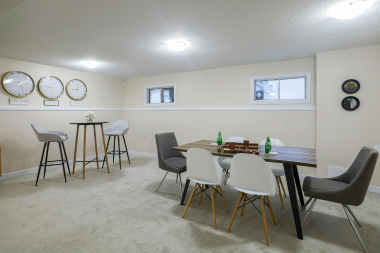
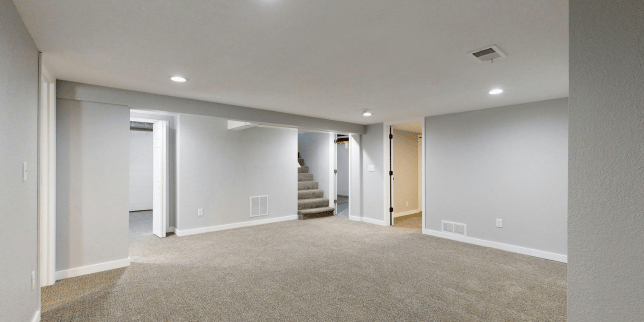
A 1,000-square-foot basement remodel costs between $60,000 and $90,000, varying based on the size of your space, the complexity of the design, and the quality of finishes you choose. To help you plan, here’s a breakdown of common remodel tiers in Michigan:
Entry-Level Remodel: $60,000+
Ideal for a functional, open layout without dedicated rooms, this option emphasizes essential finishes while creating a comfortable, usable space.
Typical features include:
- Wood framing with R-13 fiberglass insulation
- Switches, outlets, and recessed can lights
- Extended ductwork low on walls
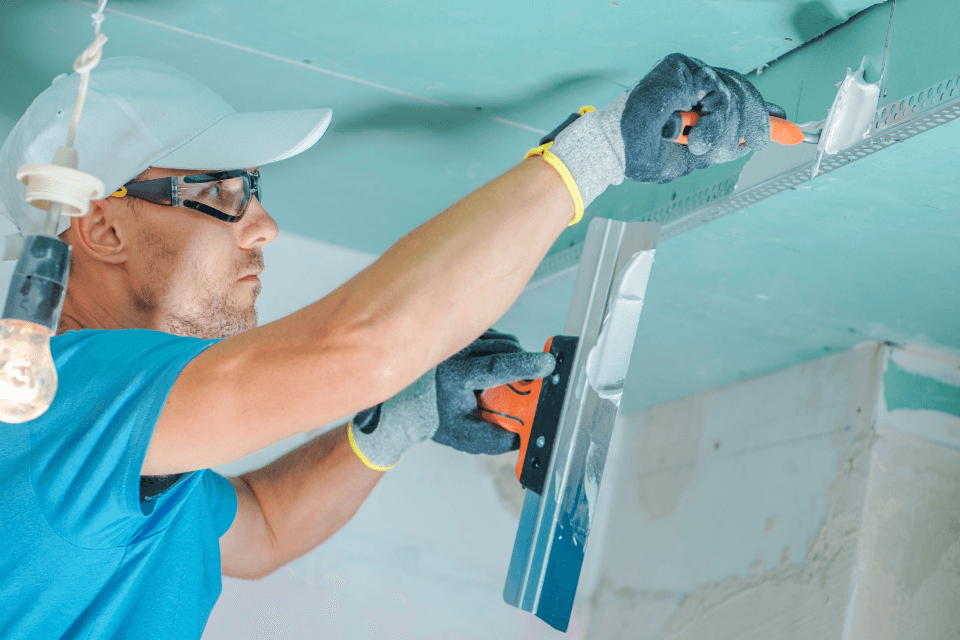
- Drywall and taping for walls and ceilings
- Hollow-core paint-grade doors
- MDF paint-grade 3 1/4″ baseboards and 2 1/4″ casing
- Caulking, putty, priming, and painting of walls, trim, and doors
- Standard carpet with padding
- Dust control, cleanup, and debris removal
- Lifetime workmanship warranty
Mid-Level Remodel: $75,000+
Adds one dedicated room and upgraded finishes, offering a balance of style and functionality.
Key features include:
- Wood framing with R-13 fiberglass insulation
- Switches, outlets, and recessed can lights
- Extended ductwork low on walls
- Drywall and taping for walls and ceilings
- Masonite core paint-grade doors
- Pine paint-grade 3 1/4″ baseboards and 2 1/4″ casing
- Caulking, putty, priming, and painting of walls, trim, and doors
- Luxury vinyl tile (LVT) or carpet with padding
- Dust control, cleanup, and debris removal
- Lifetime workmanship warranty
Luxury-Level Remodel: $90,000+
Designed for a high-end, open layout with two dedicated rooms, this tier features premium materials and finishes for maximum comfort and aesthetic appeal.
Includes:
- Wood framing with R-13 fiberglass insulation plus spray foam in rim joist space
- Decora switches, outlets, and specialty lighting
- Extended ductwork low on walls
- Drywall and taping for walls and ceilings
- Stain-grade doors
- Stain-grade hardwood 5 1/4″ baseboards and 3 1/4″ casing
- Caulking, putty, priming, and painting of walls, trim, and doors
- Engineered hardwood, tile accents, or upper-level carpet with padding
- Dust control, cleanup, and debris removal
- Lifetime workmanship warranty
5 Cost Factors to Consider
Several factors influence the total cost of a basement remodel:
- Plumbing, electrical, and HVAC upgrades: Adding bathrooms, wet bars, or additional lighting often requires new plumbing lines and electrical work, which increases the project cost.
- Waterproofing and moisture control: Michigan basements are prone to moisture issues. Proper waterproofing systems, vapor barriers, and drainage improvements are essential for protecting the finished space.
- Material selection: Material costs can vary widely. Flooring, cabinetry, countertops, and lighting choices all impact the overall budget.
- Structural considerations: Older homes may require foundation reinforcement, beam installation, or ceiling height adjustments.
- Unexpected issues: Hidden water damage, outdated wiring, or structural concerns may arise during construction.
For this reason, we recommend setting aside 10-15% of your total project budget as a contingency fund to cover unexpected expenses.
2. How Long Will a Basement Remodel Take?
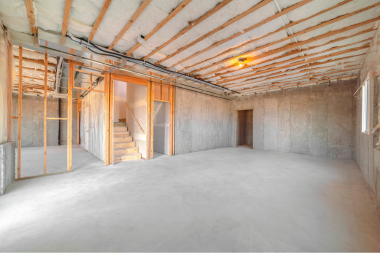
A typical basement remodel in Michigan takes 16-20 weeks, depending on the scope of work, permitting, and construction complexity.
4 Factors That Influence the Timeline
Several external factors can affect how long a basement remodel takes.
- Permits and inspections: Local municipalities require permits for plumbing, electrical, and structural work. Approval timelines can vary by city.
- Moisture remediation: If water damage or moisture problems are discovered, waterproofing work must be completed before finishing the basement.
- Material availability: Specialty finishes, cabinetry, or custom materials may have longer lead times.
- Structural changes: Moving walls or installing beams requires engineering review and inspections to ensure safety and compliance with building codes.
Working with an experienced contractor helps ensure the project is properly scheduled and efficiently managed.
3. Can Basements Be Finished in Michigan’s Climate?
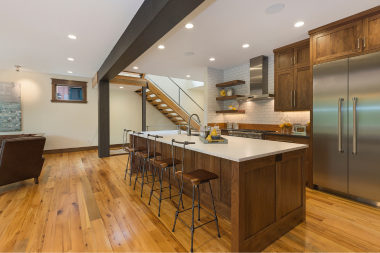
Yes, basements can absolutely be finished in Michigan, but the state’s climate and soil conditions require careful planning.
Michigan experiences significant seasonal temperature changes, heavy rain, and snowmelt, all of which can affect basement environments.
For this reason, basement remodels must include proper moisture management and insulation strategies.
Key Considerations
- Water intrusion prevention: Basements must be protected from water entering through the foundation. Proper exterior grading, drainage systems, and sump pumps help redirect water away from the home.
- Moisture control systems: Vapor barriers, waterproof membranes, and sealed foundation walls help prevent humidity buildup.
- Insulation: Basement insulation improves energy efficiency and helps maintain comfortable temperatures year-round.
- Ventilation and air circulation: Good airflow prevents condensation and reduces the risk of mold or mildew.
In some cases, especially with older homes, contractors may also recommend foundation inspections or reinforcement before beginning construction.
With the right design and moisture protection systems, a finished basement can be just as comfortable and functional as any other part of the home.
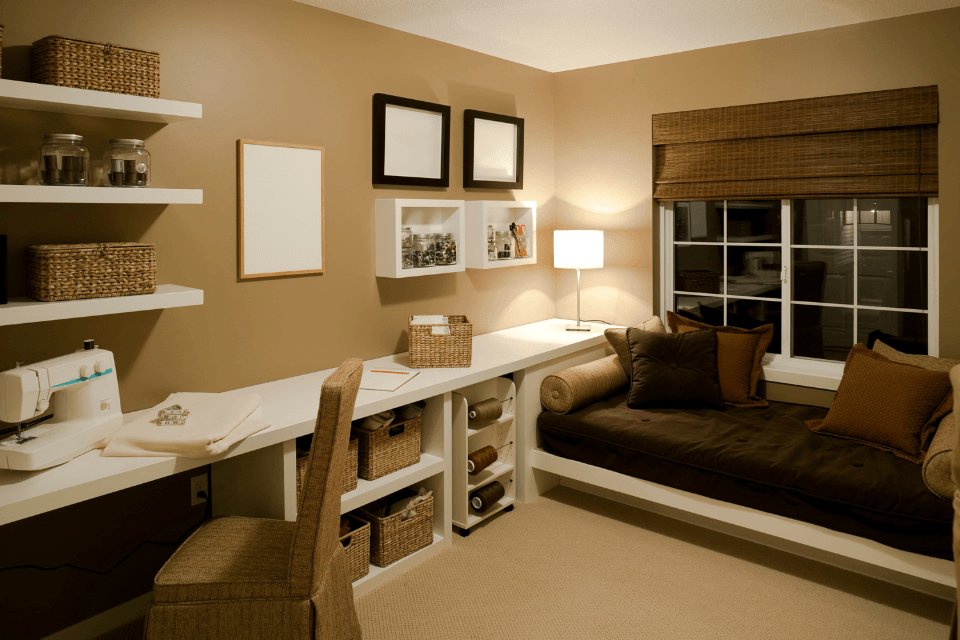
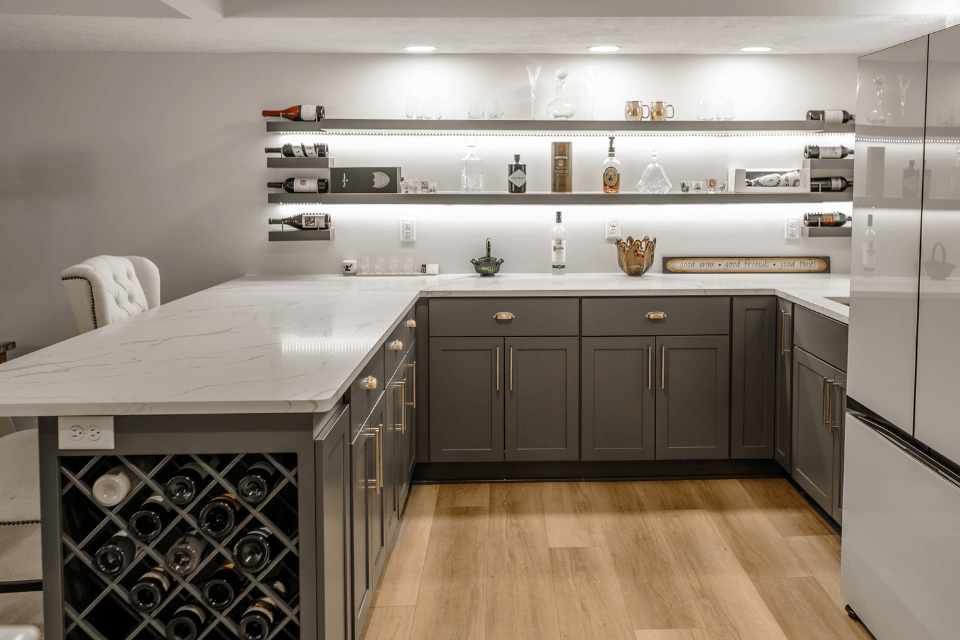
4. What Are Popular Uses for a Finished Basement?
PC: Homedit
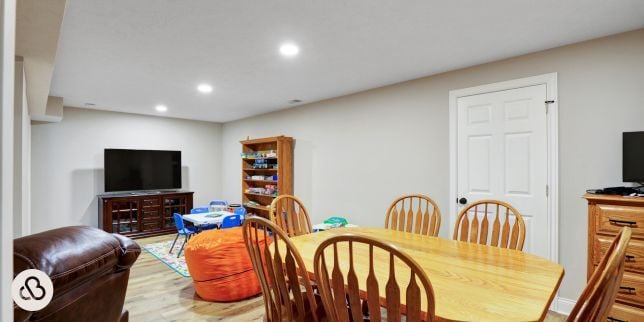
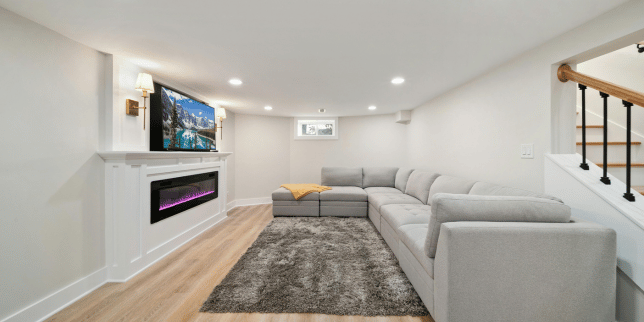
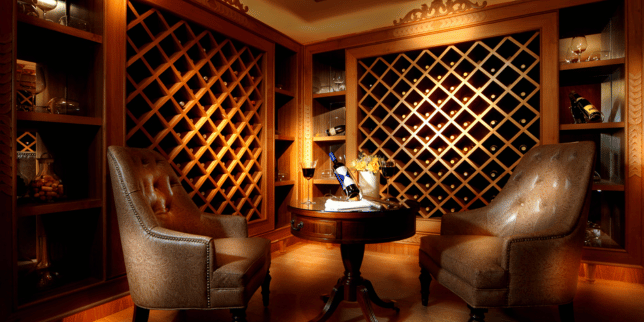
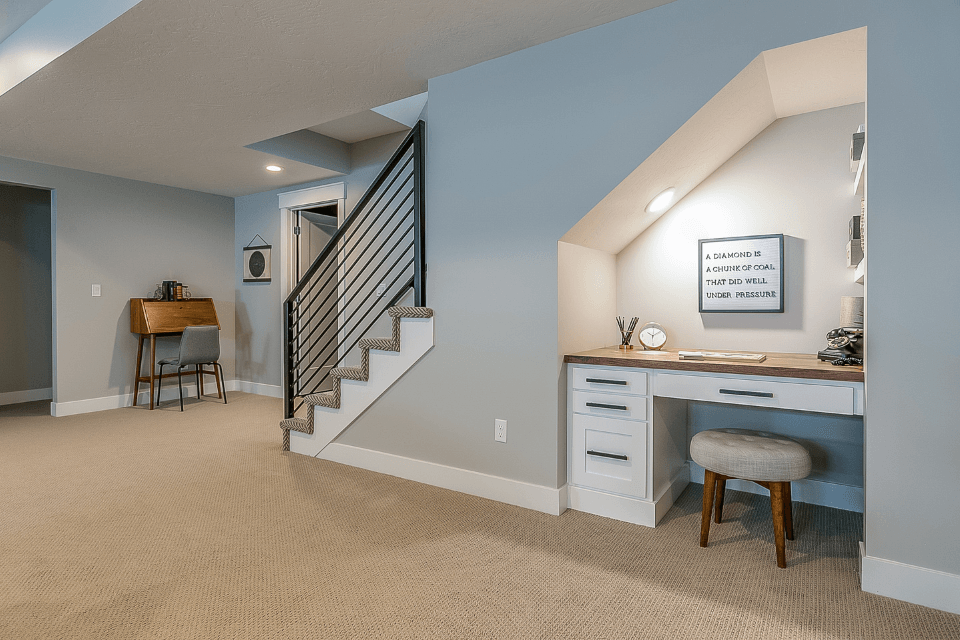
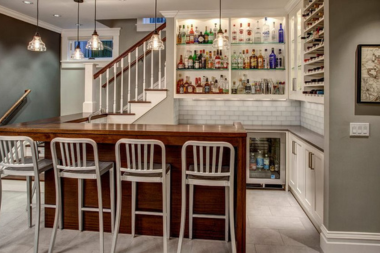
A finished basement offers you an opportunity to expand your living space without building an addition. Many families use basement remodels to create rooms that support entertainment, relaxation, and daily living.
Some of the most popular basement uses include:
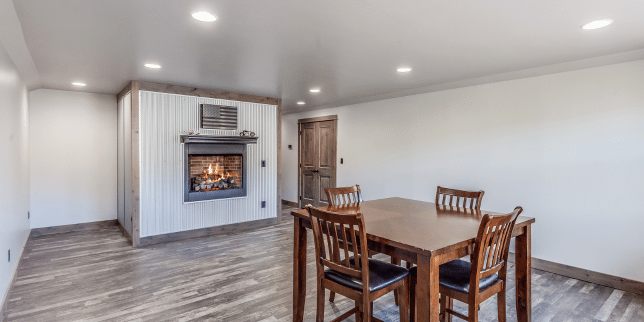
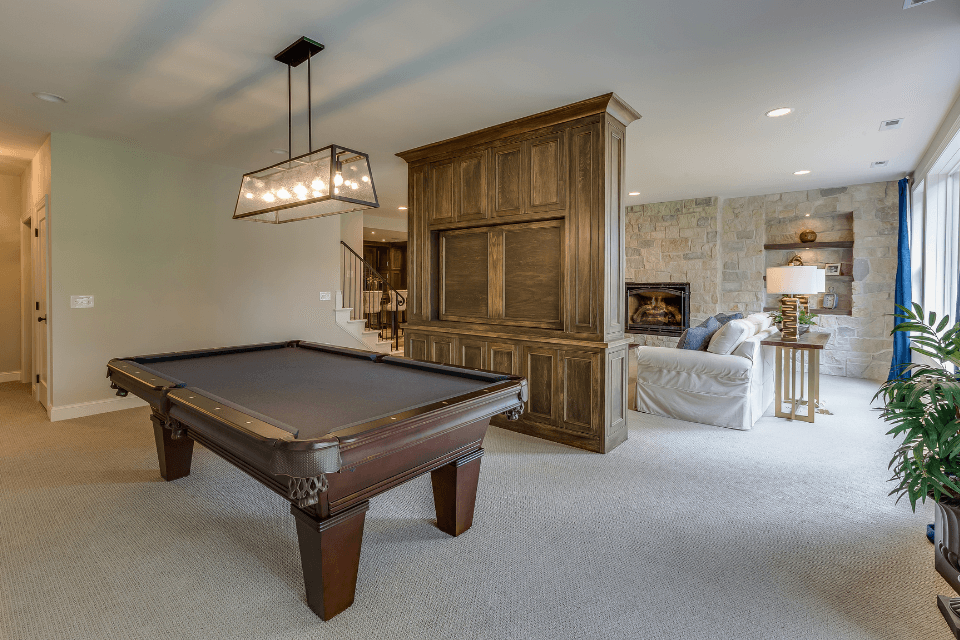
- Family rooms or entertainment areas: Basements are perfect for media rooms, large TVs, gaming systems, and comfortable seating.
- Home offices: Remote work has increased the demand for quiet workspaces separated from the rest of the house.
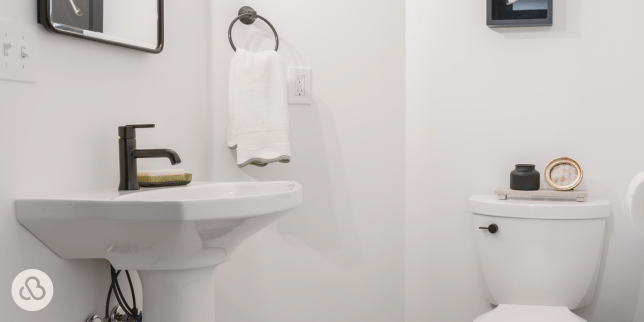
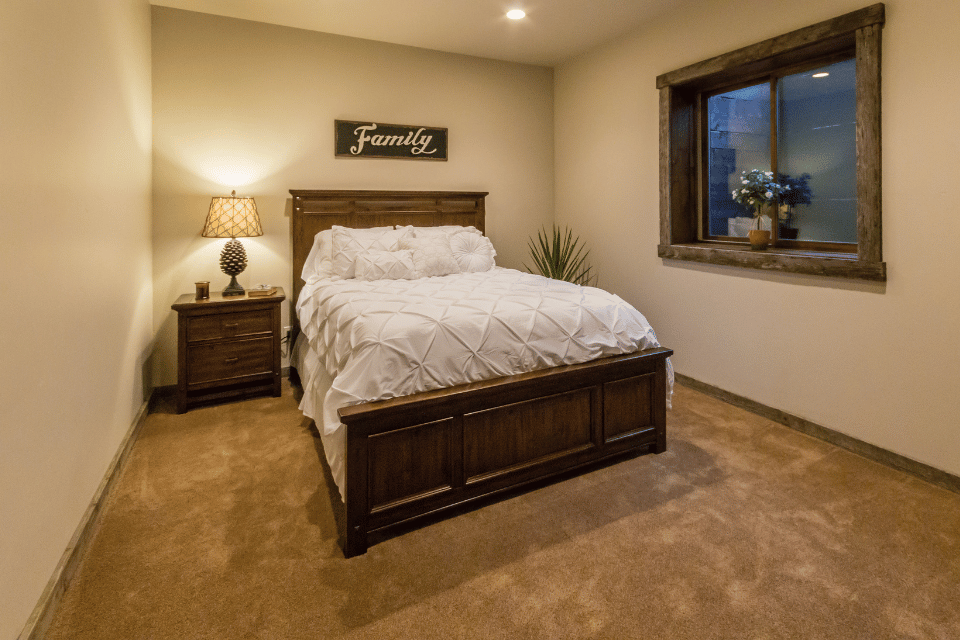
- Guest suites: Adding a bedroom and bathroom can create a private area for visiting family or friends.
- Children’s playrooms: Basements offer large open spaces where kids can play without disrupting other areas of the home.
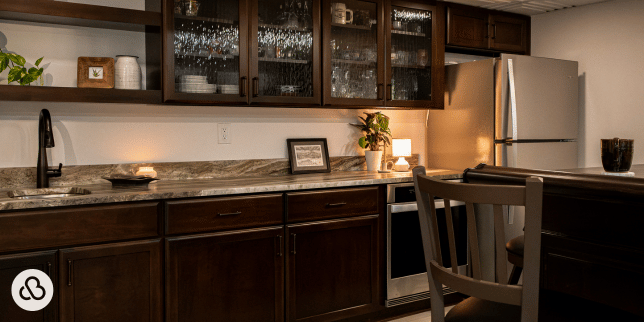
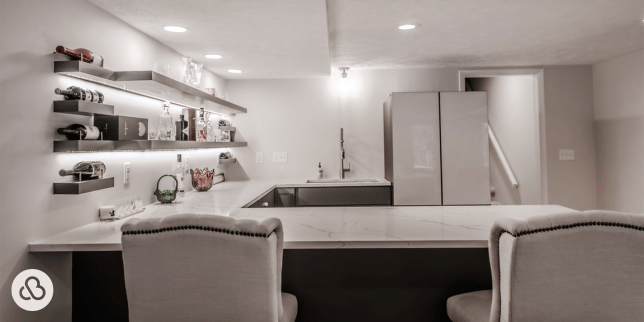
- Wet bars or kitchenettes: These spaces are ideal for entertaining during parties, game nights, or family gatherings.
- Home gyms or wellness spaces: Fitness areas, yoga studios, or meditation rooms are increasingly popular features.
- Home theaters: Basements naturally provide a darker environment, making them ideal for theater-style entertainment spaces with soundproofing and surround sound.
5. What Permits Are Required for Basement Remodeling?

Most basement remodels require permits to ensure that construction meets local building codes and safety standards.
Typical permits include:
- Electrical permits: Required when installing new wiring, lighting, outlets, or electrical panels.
- Plumbing permits: Needed for bathrooms, sinks, wet bars, or laundry areas.
- Structural permits: Required when removing or adding walls, installing beams, or modifying the structure of the home.
- Mechanical permits: Required when adding or modifying HVAC systems or ventilation systems.
Permits protect you by ensuring that construction is safe, properly inspected, and legally compliant.
Working with an experienced contractor helps streamline the permitting process and ensures all required approvals are obtained before construction begins.
6. How Can I Prevent Moisture Problems in My Basement?
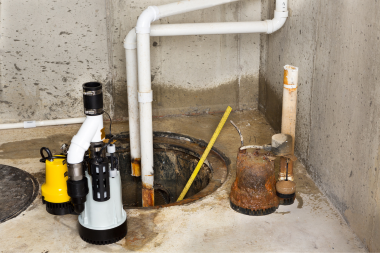
Example of Sump Pump System
Moisture control is one of the most important aspects of basement remodeling in Michigan. Without proper protection, water intrusion can damage flooring, drywall, and structural components.
You can reduce moisture risks by taking several preventative measures:
- Inspect the foundation: Cracks in foundation walls or floors should be sealed before finishing the basement.
- Improve exterior drainage: Proper grading directs water away from the home’s foundation.
- Install waterproof barriers: Moisture-resistant membranes and vapor barriers help protect walls and flooring.
- Use sump pumps or French drains: These systems redirect groundwater away from the home.
- Seal joints and gaps: High-quality sealants prevent water from entering through small openings.
- Control humidity: Dehumidifiers or HVAC-integrated moisture-control systems help maintain optimal indoor air conditions.
Taking these steps ensures that the finished basement remains dry, comfortable, and durable for years to come.
7. How Do I Choose Materials for My Basement Remodel?
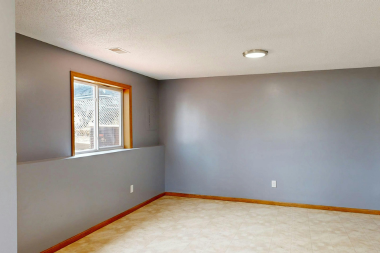
Material selection plays an important role in both appearance and long-term durability.
Basements experience higher humidity levels than other parts of the home, so materials should be chosen with moisture resistance in mind.
Flooring
Popular basement flooring options include:
- Luxury vinyl plank (LVP)
- Engineered hardwood
- Ceramic or porcelain tile
- Decorative epoxy flooring
- Carpet with moisture-resistant padding
These materials provide durability while helping prevent damage from humidity or minor moisture exposure.
Walls
Moisture-resistant drywall or specialized basement wall systems help prevent mold growth while creating a finished appearance.
Ceilings
Drop ceilings provide easy access to plumbing and electrical lines, while drywall ceilings create a more seamless appearance.
Fixtures and Finishes
Durable cabinetry, moisture-resistant trim, and energy-efficient lighting fixtures help ensure the basement remains functional and attractive over time.
8. How Can I Maximize My Basement’s Resale Value?
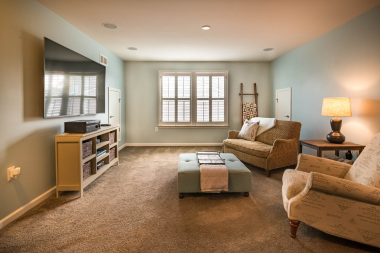
A well-designed basement remodel can significantly increase a home's overall value and livable square footage, with 77.2% of your project’s cost recouped.
To maximize resale value, you should focus on creating spaces that appeal to a wide range of buyers.
- Add functional living areas: Bathrooms, guest bedrooms, and family rooms tend to provide the strongest return on investment.
- Maintain design consistency: The basement should match the style and quality of the rest of the home.
- Use durable materials: Low-maintenance finishes help attract buyers and reduce long-term upkeep.
- Follow building codes: Ensuring that construction meets local regulations protects both the homeowner and future buyers.
- Work with licensed professionals: Experienced contractors ensure high-quality craftsmanship and help avoid costly mistakes.
When designed thoughtfully, a finished basement can become one of the most valuable and versatile spaces in the entire home.
9. How Can I Improve My Basement’s Energy Efficiency?
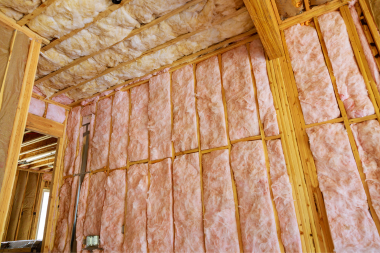
Energy efficiency is crucial, especially for basements in Michigan's cold winters and humid summers.
Here’s how to make your finished basement more energy-efficient:
- Insulate Walls and Ceilings: Proper insulation reduces heating and cooling costs. Closed-cell spray foam or fiberglass batt insulation are common options that work well in basement spaces.
- Upgrade Windows: Opt for energy-efficient windows to prevent heat loss. Double or triple-paned windows can make a significant difference.
- Sealing Gaps: Air leaks around doors, windows, and vents should be sealed with weatherstripping or caulk to keep your basement’s temperature stable.
- Energy-Efficient Lighting: LED lights use less energy and generate less heat, which is a good choice for basement spaces.
- Smart Thermostats: Installing a smart thermostat ensures better control over your basement’s heating and cooling, especially if you’ve converted it into a livable space.
These upgrades not only improve comfort but also save you money in the long run.
10. Should I Consider Adding Egress Windows to My Basement?
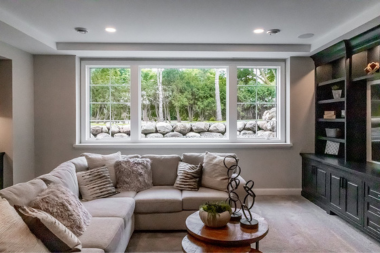
PC: Andersen Windows
In Michigan, egress windows are required by building codes if you plan to use the basement as a bedroom or living space. These windows provide emergency exit routes and ensure the safety of those living or sleeping in the basement.
Benefits of Egress Windows:
- Safety: Provides an emergency exit in case of fire or other emergencies.
- Natural Light: Egress windows allow natural light into basement spaces, making them feel more open and less "below-ground."
- Increased Property Value: Adding egress windows can boost your home's resale value by making the basement a legal living space.
Considerations:
- Cost: Egress window installation can be a significant investment because it involves excavation, new window installation, and often, a new foundation.
- Local Code Compliance: In Michigan, specific building codes govern the size and placement of egress windows. Working with a licensed contractor ensures that the windows meet safety and legal standards.
If you're planning to add a bedroom or living area, investing in egress windows can make your basement safer, more functional, and compliant with building codes.
Next Steps to Remodeling Your Basement in Michigan
Remodeling your basement in Michigan offers an incredible opportunity to increase your home's value and functionality. Whether you're aiming to create a home office, entertainment area, or extra living space, careful planning and the right materials are key.
By addressing essential factors such as moisture control, proper insulation, and complying with local codes, you’ll ensure that your finished basement is not only beautiful but also durable and comfortable year-round.
At Custom Built Design & Remodeling, we bring decades of experience to every project, helping Michigan homeowners navigate the complexities of basement remodeling and create spaces that truly shine.
Ready to start your basement transformation? Contact us today to schedule a consultation and discover how we can help bring your vision to life with a seamless, high-quality remodel.

Now that you know more about Michigan basement remodeling, let’s explore hidden costs to watch out for, how your unique design feature can influence your budget, and a closer look at our basement finishing services:
- 7 Hidden Basement Remodeling Costs in Michigan - Discover expenses that can arise during a Michigan basement remodel, from structural repairs to waterproofing, and how to budget for them.
- Wet Bar, Bathroom, or Guest Suite? How Each Affects Your Basement Remodeling Costs - Explore how adding different functional spaces in your basement impacts remodeling costs, timelines, and overall home value.
- Custom Built’s Basement Finishing Contractor Services - We design and build custom basement finishing projects that transform underused lower levels into functional, comfortable living spaces tailored to your home and lifestyle.
Topics: