
Thinking about remodeling your kitchen? It’s one of the most popular home improvement projects, but the process can feel overwhelming. Between budgeting, selecting materials, and choosing a layout, it's easy to get lost in the details. Whether you're planning to update your kitchen for style or functionality, navigating the project's logistics can be daunting for homeowners.
At Custom Built Design & Remodeling, we understand the intricacies of kitchen renovations in Michigan. With 20+ years of experience, we’ve helped many homeowners transform their kitchens into beautiful, functional spaces that reflect their lifestyles. We’re here to help answer the most common questions and provide guidance every step of the way.
In this article, we’ll cover the essential information you need to know about kitchen remodeling, including frequently asked questions, costs, and tips for a smooth renovation. By the end, you’ll have a clearer understanding of what to expect, helping you make informed decisions for your kitchen remodel:
- How long does a kitchen remodel take?
- What is the average cost of a kitchen remodel in Michigan?
- What should I prioritize in a kitchen remodel?
- What permits do I need for a kitchen remodel in Michigan?
- How do I choose the right contractor for my kitchen remodel?
- What are the current trends in Michigan kitchen remodeling?
- How can I stay on budget during my kitchen remodel?
- Will remodeling my kitchen add value to my home?
- How can I avoid delays in my kitchen remodel?
- Can I live in my home during the remodel?
1. How long does a kitchen remodel take?

The timeline for your kitchen remodel largely depends on the scope of the project and how much change you want to make to your space. Whether you're refreshing the look of your kitchen or completely reworking its layout and features, understanding the expected timeline can help set realistic expectations. Below, we've outlined typical timelines for two of the most common types of kitchen remodels:
1. Pull-and-Replace Kitchen Remodel
A pull-and-replace kitchen remodel involves updating various elements of your kitchen but leaving the existing layout and structure intact. This is the fastest type of kitchen remodel because the fundamental components remain unchanged.
Here's why:
- Cabinet sizes, shapes, and configurations remain the same
- Plumbing and electrical components stay in their original positions
- Countertop size and shape are unchanged
- Flooring size and layout are kept the same
If you love the layout of your kitchen but want a fresh look, this option is ideal. Your builder will "pull" out the old components and "replace" them with updated features, such as new cabinets, countertops, and flooring, all while maintaining the existing layout.
Timeline:
- Design Phase: 12-20 weeks (this includes design, planning, and purchasing materials)
- Construction Phase: 4-8 weeks (actual remodel work)
Overall, a pull-and-replace kitchen remodel can take 16-28 weeks to complete, depending on factors such as material availability and any additional customization.
2. Complete Kitchen Re-Design
A complete kitchen re-design takes the pull-and-replace remodel to the next level by completely reworking the size, layout, and features of your kitchen. This type of remodel is ideal for those looking to transform their kitchen into a more functional and visually appealing space.
The timeline for a full kitchen re-design is longer because it involves moving plumbing, electrical components, and possibly even walls. This often requires inspections and permits, which can add time to the project.
Timeline:
- Design Phase: 14-28 weeks (includes layout planning, selecting materials, and obtaining necessary permits)
- Build Phase: 8-16 weeks (construction, plumbing, electrical, and final installation)
For a complete re-design, you can expect the project to take 22-44 weeks, depending on the complexity of the changes, material availability, and any unforeseen challenges.
Common design changes in a complete kitchen re-design include:
- Adding a kitchen island
- Moving appliances (refrigerators, dishwashers, ovens, etc.)
- Relocating sinks or plumbing
- Re-arranging cabinet locations and layout
Keep in mind that delays can happen if issues arise that weren't visible during the planning stage.
Pro Tip: Work with your contractor to establish a detailed timeline before the project begins, and be prepared for unexpected delays, such as shipping or material issues.
2. What is the average cost of a kitchen remodel in Michigan?
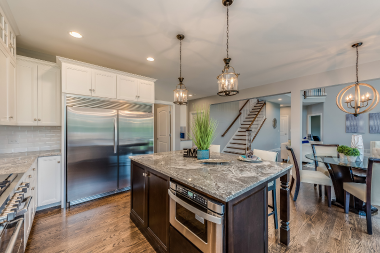
Cost can vary widely depending on the size of your kitchen, the materials you choose, and the complexity of the project. Here's a general range based on common remodels in Michigan (based on a small-sized, 100 to 150 square foot kitchen):
- Entry-Level Kitchen Remodel ($50,000+): Ideal for homeowners looking for a refreshed kitchen with minimal changes, such as updating countertops and cabinets, while maintaining the existing layout.
- Mid-Level Kitchen Remodel ($60,000+): For those who want more customization, including layout modifications and upgraded materials like mid-range granite countertops, new cabinetry, and possible appliance relocation.
- Luxury-Level Kitchen Remodel ($70,000+): A complete transformation that includes structural changes, custom cabinetry, high-end countertops, and premium appliances. This remodel is for homeowners who want a truly high-end kitchen.
It's essential to work with your contractor to create a realistic budget and include a contingency for unexpected costs.
Pro Tip: Make sure to factor in hidden costs, such as permits or temporary living arrangements if necessary, and always have a 10-15% cushion for unexpected expenses.
3. What should I prioritize in a kitchen remodel?
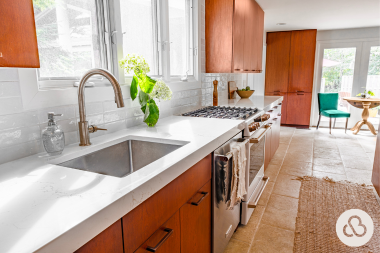
When remodeling your kitchen, it’s essential to focus on both functionality and aesthetic appeal. Prioritizing these elements ensures that the space is as useful as it is beautiful.
Here are some key features that will help improve your kitchen's design:
- Layout: The work triangle (sink, stove, and fridge) should be functional and intuitive. Avoiding overcrowding in work areas will make cooking more enjoyable and efficient.
- Storage: Maximize storage with cabinets that reach the ceiling, pull-out pantries, or lazy Susans. A well-organized kitchen is a functional kitchen.
- Counter space: Ample counter space is essential for meal prep. Consider adding a kitchen island for extra workspace and seating.
- Lighting: Layering different types of lighting (task, ambient, and accent) can help create the right mood while making sure all areas are well-lit.
- Quality finishes: Choose materials that stand the test of time, like quartz or granite countertops, hardwood floors, and durable cabinetry.
Pro Tip: Focus on functionality first. A kitchen that’s easy to work in will make all the difference in your daily life, even if it’s not the most “fashionable.”
4. What permits do I need for a kitchen remodel in Michigan?

Before you get started with your kitchen remodel, it’s important to know which permits are required to stay in compliance with local building codes. The types of permits you need will depend on the nature of your remodel:
- Building Permit: Required if you’re making any structural changes, such as moving walls or installing new windows or doors.
- Plumbing Permit: If you’re adding or changing plumbing fixtures, such as sinks, dishwashers, or garbage disposals, you’ll need a plumbing permit.
- Electrical Permit: Any work involving lighting, outlets, or wiring upgrades will require an electrical permit.
- HVAC Permit: If your remodel involves new heating, ventilation, or air conditioning systems (e.g., new range hoods or ductwork), you’ll need an HVAC permit.
Pro Tip: Always work with a licensed contractor who can guide you through the permitting process. Failing to obtain the right permits can delay your project and result in fines.
5. How do I choose the right contractor for my kitchen remodel?

Finding the right contractor is crucial to the success of your kitchen remodel. Here are some key factors to keep in mind when selecting the right professional for the job:
- Experience: Look for contractors who specialize in kitchen remodels and have completed similar projects.
- Licensing and Insurance: Make sure your contractor is licensed and insured to protect you from liability in case of accidents or damage.
- References and Reviews: Ask for references and read reviews from past clients to gauge their reputation and the quality of their work.
- Detailed Estimate: A trustworthy contractor will provide a clear, written estimate that includes labor, materials, and any potential extra costs.
Pro Tip: Take the time to interview multiple contractors and compare their proposals. Don’t settle for the first quote you receive. Quality work requires careful selection.
6. What are the current trends in Michigan kitchen remodeling?

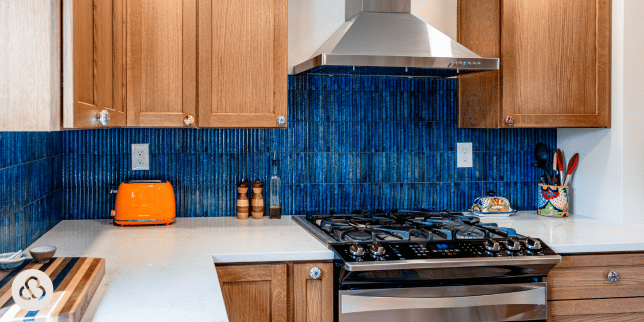
PC: Tilebar
Kitchen remodeling trends can vary by region, but in Michigan, the focus tends to be on energy-efficient, high-tech solutions that also make the space more inviting. Here’s a look at what’s popular in kitchen design:
- Smart appliances: Energy-efficient, Wi-Fi-connected devices like refrigerators, ovens, and dishwashers are becoming standard in modern kitchens.
- Eco-friendly materials: Sustainable options, such as bamboo flooring, recycled countertops, and low-flow faucets, are gaining popularity.
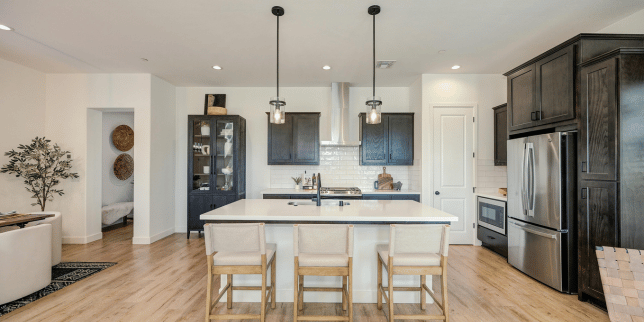
- Bold cabinetry: Darker colors, such as navy and matte black, are taking over the once-popular white and grey cabinets.
- Open shelving: This trend combines function with style, allowing homeowners to display their favorite dishes and glassware.
- Textured or slab backsplashes: Hand-painted tiles, geometric patterns, and slab selections create visual interest and elevate the overall design.
Pro Tip: While trends are exciting, make sure the updates you choose are timeless and durable enough to stand the test of time.
7. How can I stay on budget during my kitchen remodel?

Managing your budget is one of the most important parts of any remodel. Here are some tips to help you stay on track without overspending:
- Set a firm budget: Establish a clear budget early on, including a 10-15% contingency for unexpected costs.
- DIY where possible: Tackle smaller tasks, such as painting or installing backsplash tiles, to save on labor costs.
- Prioritize high-ROI upgrades: Focus on upgrades that will add the most value, such as energy-efficient appliances or a functional layout.
Pro Tip: Track your spending throughout the project to stay on top of costs and avoid surprises at the end.
8. Will remodeling my kitchen add value to my home?
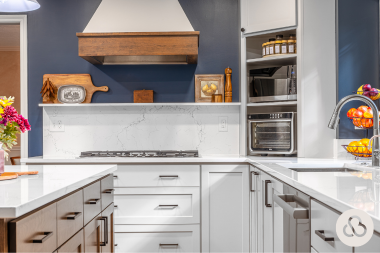
Yes, a kitchen remodel can increase your home’s value, making it a smart investment. On average, you can expect to recoup 33.1% to 90.7% of the costs, depending on the scope and market conditions.
Here are the best ways to maximize ROI:
- Energy-efficient appliances: These modern upgrades are a huge selling point for future buyers.
- Custom cabinetry: High-quality, custom-made cabinets make a lasting impression and add significant value.
- Durable countertops: Materials like granite, quartz, and marble are timeless and increase your kitchen’s appeal.
- Good layout: A kitchen with an efficient layout and ample storage space can enhance both functionality and resale value.
Pro Tip: If you plan to sell your home soon, focus on making mid-range improvements that will appeal to a wide range of potential buyers.
9. How can I avoid delays in my kitchen remodel?

Delays can be frustrating, but there are steps you can take to minimize disruptions during your remodel:
- Plan early: Get started on design and material selection well in advance to avoid last-minute decisions.
- Be flexible: Understand that delays in materials or scheduling may occur, especially with custom pieces.
- Set realistic timelines: Allow extra time for inspections, permits, and unforeseen challenges.
Pro Tip: Keep the lines of communication open with your contractor. Regular updates can help prevent misunderstandings and ensure your remodel stays on track.
10. Can I live in my home during the remodel?
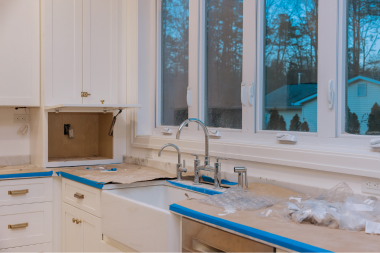
Whether or not you can live in your home during the remodel depends on the scope of the project:
Minor remodels:
These are generally less invasive, and it’s usually possible to continue living in your home. For example, if you’re just updating cabinets or countertops, most of the mess and disruption will be contained to the kitchen.
Major remodels:
If significant structural work is involved (e.g., moving walls, installing new plumbing, or changing the layout), living in your home during the remodel can be more challenging.
In these cases, it’s often better to consider temporary relocation to minimize stress and ensure safety, especially if parts of your kitchen or the whole space are unusable for extended periods.
Pro Tip: If you plan to live in your home during the remodel, designate a temporary kitchen area (such as setting up a small fridge and microwave in another room) to help you maintain normal routines.
Next Steps to Remodeling Your Kitchen
Remodeling your kitchen is a big decision, and understanding the ins and outs of the process can help you avoid common pitfalls and make the most of your investment.
By knowing what to expect, from costs to timelines, you’ll be better prepared to approach your kitchen remodel with confidence. Keep in mind the importance of working with experienced professionals who can guide you through every step.
At Custom Built Design & Remodeling, we specialize in creating luxury kitchens that fit your needs and vision, helping homeowners throughout Michigan bring their dream culinary havens to life.
If you’re ready to get started or have more questions, reach out to us today to schedule a consultation. Together, we can turn your kitchen into a space you’ll love for years to come.

Now that you know more about kitchen remodeling in Michigan, let’s explore how to decide where to incorporate kitchen features, what it’s really like living without a culinary space during a remodel, and our full-service kitchen remodeling services:
- How to Decide Where to Put Features in Your Kitchen Remodeling Project - Learn how thoughtful planning and strategic placement of key kitchen features—like appliances, storage, and prep areas—can improve functionality, workflow, and long-term satisfaction with your remodel.
- What Living Without a Kitchen Is Really Like During a Remodeling Project - Discover what to expect when living without a kitchen during a remodel, including daily challenges, practical workarounds, and tips to make the temporary disruption more manageable for your family.
- Custom Built Luxury Kitchen Remodeling Services - Explore how Custom Built delivers high-end kitchen remodeling solutions through personalized design, premium materials, and a proven process focused on creating beautiful, functional spaces tailored to your lifestyle.
Topics: