
You're excited about your remodel and ready to choose finishes, but once you start looking at faucets, cabinet hardware, light fixtures, mirrors, and accessories, the options can quickly become overwhelming. Should everything match? Can you mix black and brass? What about nickel and bronze?
As a Greater Lansing design-build firm, we've helped homeowners select finishes for kitchens, bathrooms, additions, and whole-home remodels. Our designers work with homeowners every day to create spaces that reflect their style while supporting how they actually live in their homes.
In this article, you'll gain insights about how to select materials and finishes to properly shape your remodeling project’s aesthetic:
- Start with One Dominant Finish
- How to Mix Metal Finishes Successfully
- Balance Color, Texture, and Sheen
- Coordinate Finishes Within Functional Areas
- Finish Combinations That Work Well in Kitchens
- Finish Combinations That Work Well in Bathrooms
- Let Large Surfaces Guide Smaller Selections
- View Samples Together Before Making Final Decisions
- Consider Adjacent Rooms and Sightlines
- Common Finish Selection Mistakes to Avoid
- Work with a Designer When You’re Unsure
1. Start with One Dominant Finish
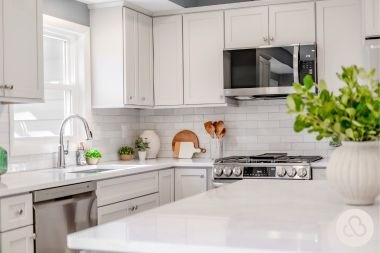
One of the easiest ways to create a cohesive design is to choose a primary finish that serves as the foundation for the room. This dominant finish should align with the overall style you're trying to achieve and help guide the rest of your selections.
When selecting a primary finish, start by thinking about the feeling you want the space to create. Brushed nickel is a timeless option that works well with nearly any design style, while brass, champagne bronze, and matte black finishes create a more modern or luxurious appearance.
Popular Dominant Finish Options
- Brushed Nickel: Timeless and versatile
- Polished Nickel: Elegant and upscale
- Matte Black: Modern and dramatic
- Champagne Bronze: Warm and sophisticated
- Brass: Luxurious and eye-catching
- Oil-Rubbed Bronze: Rich and traditional
Starting with one dominant finish creates a framework that makes every other design decision easier.
2. How to Mix Metal Finishes Successfully
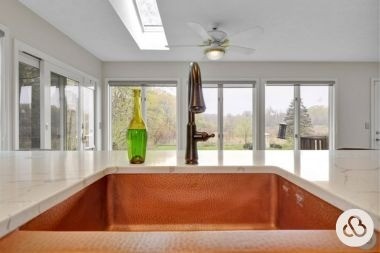
Mixing finishes can add depth and personality to a room, but it works best when there's a clear plan behind it.
In most cases, limiting a space to two metal finishes creates the most balanced appearance. Introducing three or more finishes often makes a room feel disjointed rather than intentional.
Guidelines for Mixing Finishes
- Choose one dominant finish
- Limit the room to two metal finishes
- Keep cabinet hardware consistent
- Use accent finishes in lighting and accessories
- Repeat each finish throughout the room
- Avoid randomly mixing finishes from fixture to fixture
For example, you might use brass cabinet hardware and faucets while incorporating black light fixtures and mirrors.
When done correctly, mixed finishes create visual interest without making the room feel busy.
3. Balance Color, Texture, and Sheen
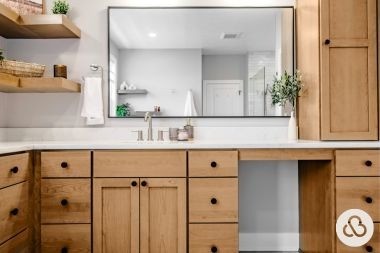
Finish selection isn't just about color. Texture and sheen also influence how a room looks and functions.
Some decorative hardware includes grooves, ridges, and ornate detailing that add visual interest but may be more difficult to maintain.
Before selecting a finish, consider how the space will be used. A finish that looks beautiful in a showroom may require more upkeep in a busy household. The best choice often balances appearance with practicality.
Questions to Ask Yourself
- Is this a high-traffic space?
- How often will the hardware be touched?
- Will fingerprints be noticeable?
- How easy is it to clean?
- Does the finish fit my lifestyle?
- Does it support the overall look I'm trying to achieve?
The best finish is one that continues to work for your family long after the remodel is complete.
4. Coordinate Finishes Within Functional Areas
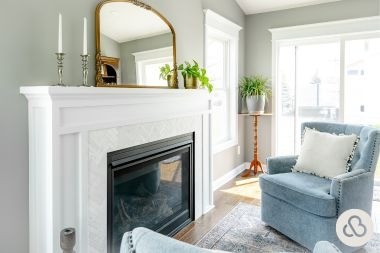
Different rooms have different priorities. A finish that works perfectly in a powder room may not be ideal for a busy family kitchen.
Functionality should influence finish selections just as much as aesthetics. For example, homeowners designing an aging-in-place home may prioritize hardware that's easier to grip, while someone creating a luxury entertaining space may focus more on decorative details.
Considerations by Space Type
-
Family Kitchens
- Easy-to-clean finishes
- Fingerprint resistance
- Durable hardware
- Luxury Spaces
-
Decorative finishes
- Premium materials
- Statement fixtures
-
- Accessible Homes
- Easy-grip hardware
-
Smooth operation
- Simple maintenance
The most successful remodels balance beauty with practicality.
5. Finish Combinations That Work Well in Kitchens
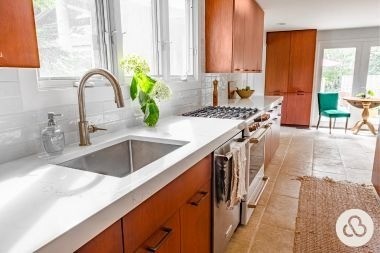
Kitchens contain many visual elements, making finish coordination especially important.
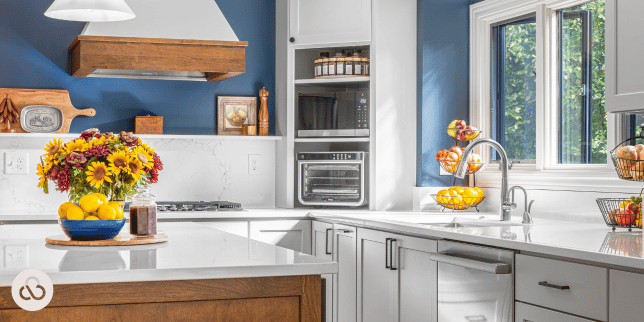
Matte black has become one of today's most popular anchor finishes because it pairs well with a wide variety of materials, colors, and cabinet styles.
Kitchen Finish Combinations We Often Recommend
- Black + Brass
- Black + Brushed Nickel
- Champagne Bronze + Black
- Brushed Nickel + Natural Wood Tones
- Brass + White Cabinetry
These combinations work well because they create contrast while maintaining balance throughout the space. The right pairing will depend on your cabinetry, countertops, backsplash, and overall design style.
6. Finish Combinations That Work Well in Bathrooms
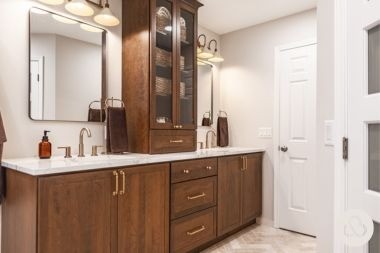
Bathrooms often benefit from softer, more coordinated finish combinations that create a relaxing atmosphere.
Brushed nickel continues to be one of the safest choices for homeowners looking for a timeless design, while polished nickel remains popular for those wanting a brighter, more refined appearance.
Bathroom Finish Combinations That Work Well
- Brushed Nickel + White Finishes
- Polished Nickel + Marble
- Bronze + Brass Accents
- Matte Black + Wood Vanities
- Champagne Bronze + Warm Neutrals
Choosing complementary finishes helps create a bathroom that feels intentional and relaxing.
7. Let Large Surfaces Guide Smaller Selections
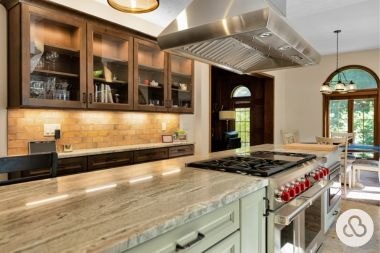
One of the most common finish-selection mistakes occurs when homeowners choose hardware before selecting larger materials.
A more successful approach is to make decisions from the largest visual elements down to the smallest details. Once cabinetry, countertops, flooring, and tile have been selected, choosing complementary hardware and fixtures becomes much easier.
Select These Items First
- Cabinetry
- Countertops
- Flooring
- Tile or backsplash
- Paint colors
- Hardware and fixtures
This approach creates a more cohesive design and reduces the risk of costly changes later.
8. View Samples Together Before Making Final Decisions
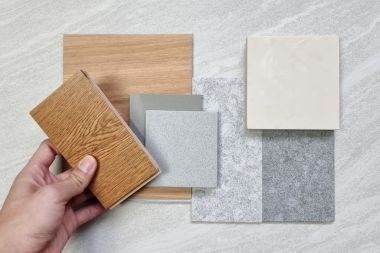
Individual samples rarely tell the whole story. Finishes often look different when paired with surrounding materials and viewed under actual lighting conditions.
Before placing final orders, compare all materials together in the space where they'll be installed. Seeing cabinets, flooring, countertops, tile, and hardware side by side helps eliminate surprises.
Before Finalizing Finishes
- Compare samples side-by-side
- View materials in natural light
- Review selections at different times of day
- Look at materials from multiple angles
- Confirm finishes work together
Taking time to review selections together can prevent disappointment and expensive changes later.
9. Consider Adjacent Rooms and Sightlines
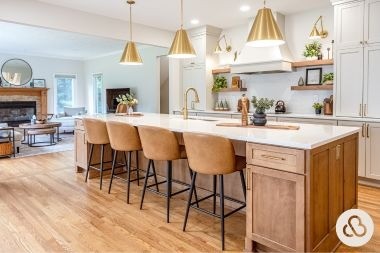
While every room doesn't need to match exactly, connected spaces should feel visually related. Finish selections should transition naturally from one room to the next, creating consistency throughout the home.
For instance, open-concept homes require homeowners to think beyond the room being remodeled.
Areas to Evaluate
- Kitchen-to-living room views: Consider how cabinet hardware, lighting, and metal finishes will look from adjoining gathering spaces.
- Bathroom-to-bedroom transitions: Choose finishes that complement nearby fixtures and décor without making the spaces feel disconnected.
- Hallway sightlines: Consider what visitors see as they move through your home and whether the finishes create a natural visual flow.
- Open-concept layouts: Coordinate finishes across connected areas while allowing each space to maintain its own personality.
- Adjacent entertaining spaces: If your kitchen opens to a dining room, great room, or outdoor living area, select finishes that help tie those spaces together.
10. Common Finish Selection Mistakes to Avoid
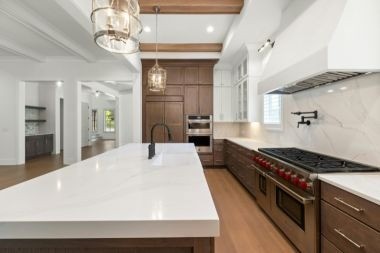
Even beautiful finishes can create problems when they're selected without a clear plan.
Many mistakes occur when homeowners focus only on appearance instead of considering maintenance, longevity, and how finishes relate to the rest of the design.
Mistakes We Commonly See
- Mixing three or more metal finishes
- Choosing finishes before selecting cabinets
- Ignoring maintenance requirements
- Following trends without considering longevity
- Selecting finishes that don't fit the home's style
- Failing to view samples together
Avoiding these mistakes can help create a design that feels timeless and intentional.
11. Work with a Designer When You're Unsure

With so many finish options available today, it's normal to feel overwhelmed. A designer can simplify the process by narrowing your options and helping every selection work together.
Seeing materials, colors, and finishes side by side often makes decision-making much easier and gives homeowners greater confidence before final selections are made.
A Designer Can Help You
- Narrow finish options
- Coordinate colors and materials
- Avoid costly mistakes
- Balance style and practicality
- Create a cohesive design plan
Professional guidance can help you make confident decisions and create a finished space you'll enjoy for years.
Next Steps to Remodeling Your Home’s Interior in Greater Lansing
Choosing finishes isn't just about selecting what looks good on its own. Every finish contributes to the overall feel of your home and how enjoyable the space will be to use every day.
By starting with a dominant finish, limiting metal combinations, considering your lifestyle, and coordinating selections throughout the space, you can create a home that feels polished, cohesive, and uniquely yours.
At Custom Built Design & Remodeling, we help Greater Lansing homeowners navigate finish selections every day. From kitchens and bathrooms to additions and whole-home remodels, our design team works closely with homeowners to create spaces that are beautiful, functional, and designed around how they live.
If you're planning a remodel and need help selecting finishes, schedule a consultation with our team. We'll help you create a cohesive design that balances style, practicality, and long-term enjoyment.

Now that you know more about how to mix and match finishes, let’s explore how design choices influence basement remodeling costs, how to integrate a kitchen pantry, and our design-build services:
- How Do Design Choices Influence Your Basement Remodeling Cost?: Advice from a Greater Lansing Basement Contractor - Learn how layout, bathrooms, lighting, finishes, and custom features can impact your basement remodeling budget and overall project cost.
- How to Integrate a Kitchen Pantry Without Sacrificing Space: Designer Insights from a Kitchen Remodeler - Discover smart pantry design ideas that maximize kitchen storage while preserving functionality, flow, and valuable square footage.
- Custom Built Remodeling Services - Explore Custom Built Design & Remodeling’s full-service approach to home remodeling, where design and construction come together to deliver a seamless, guided experience from start to finish.
Topics: