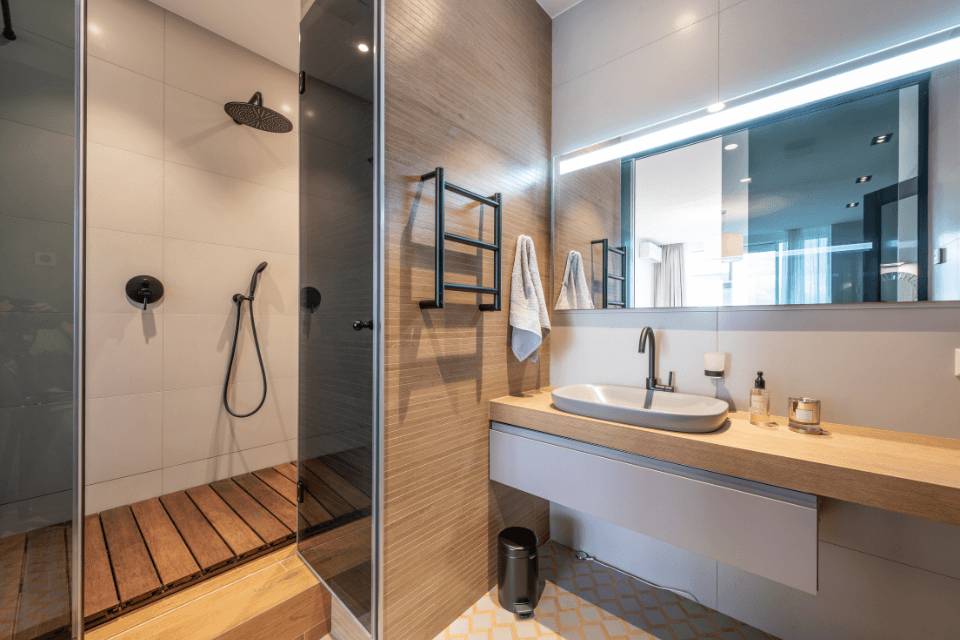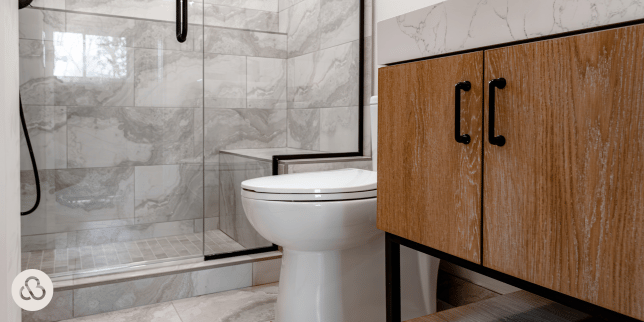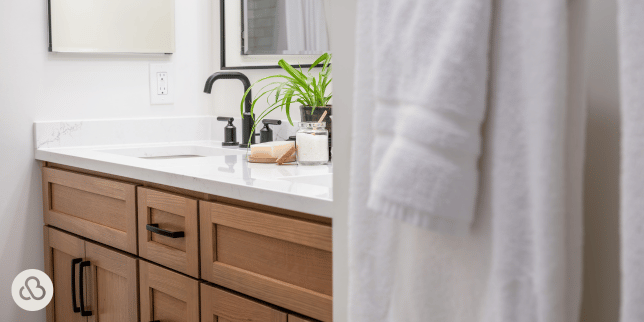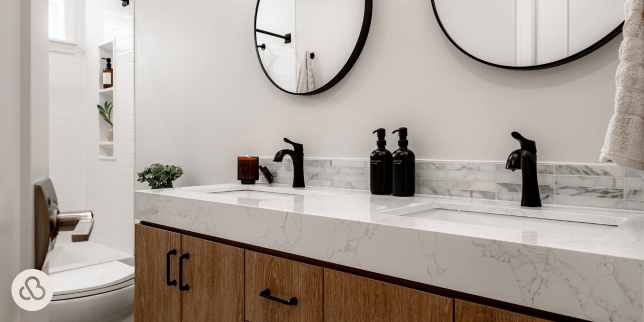

A bathroom can look great on paper and still feel frustrating to use. Tight clearances, awkward layouts, and overlooked details often don’t show up until the space is finished, and by then, they’re hard to ignore. For many homeowners, these issues stem from layout decisions made too early or without a full understanding of how the bathroom will be used every day.
At Custom Built Design & Remodeling, we’ve seen how thoughtful layout planning makes the difference between a bathroom that simply meets code and one that truly supports your routine. Our team designs bathrooms with real-life use, long-term comfort, and the structural realities of Michigan homes in mind, so the space works just as well years from now as it does on day one.
In this article, we’ll explore the ten most common bathroom layout mistakes to avoid and explain what to consider instead, helping you plan a bathroom that feels comfortable, functional, and built for how you live:
- Ignoring Proper Clearance and Spacing
- Creating Poor Traffic Flow
- Placing Fixtures Too Close Together
- Making the Bathroom Feel Smaller Than It Is
- Treating Storage as an Afterthought
- Overlooking Lighting in the Layout
- Failing to Plan for Proper Ventilation
- Designing Shared Bathrooms Without Defined Zones
- Not Planning for Aging-in-Place or Long-Term Use
- Skipping Professional Layout Planning
1. Ignoring Proper Clearance and Spacing
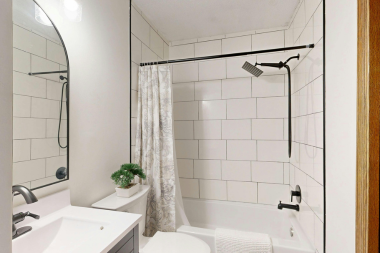
Clearance requirements aren’t just code-related; they directly impact comfort and usability.
Bathrooms need enough room for people to move naturally. For example, most codes require at least 21 inches of clear space in front of a toilet to pass inspection, but meeting the minimum doesn’t always mean the space feels good to use.
Why it matters:
You’re in this space every day. You should be able to move your arms freely, step in and out of the shower comfortably, and navigate the room without feeling boxed in, especially in primary bathrooms used by more than one person.
Recommended design tips:
- Design beyond minimum code requirements whenever possible
- Consider how many people use the bathroom daily
- Allow extra space in showers for movement and comfort
- Think about real-life tasks, not just fixture placement
2. Creating Poor Traffic Flow
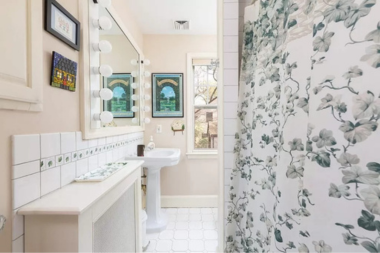
PC: Houzz
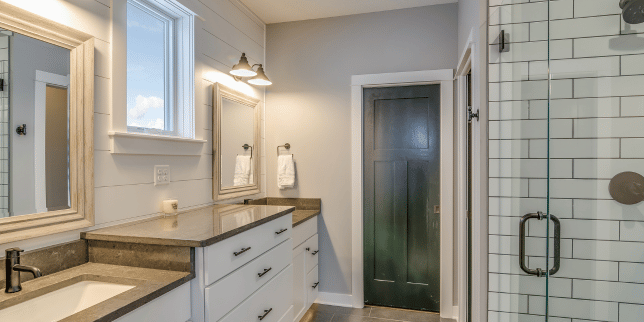
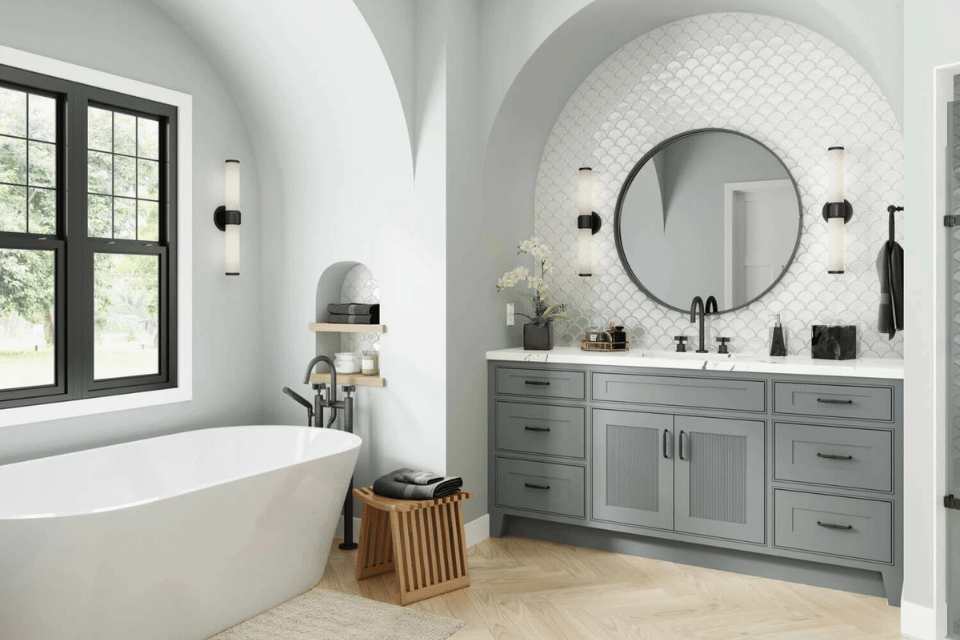
Bathrooms are small spaces, so traffic flow is especially important. Door swings that collide with vanities, toilets, or laundry doors are common issues. Shower doors that open into tight walkways can also make the room feel awkward.
Why it matters:
Poor traffic flow creates daily frustration and makes the bathroom feel smaller than it actually is.
Recommended design tips:
- Plan door swings carefully (bathroom, shower, laundry)
- Account for baskets, hampers, and storage access
- Ensure clear walkways between fixtures
- Think through how the space is entered and exited
3. Placing Fixtures Too Close Together
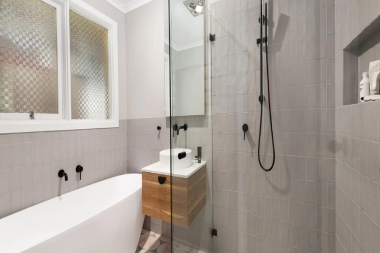
Fixtures need proper spacing, not just from walls, but from each other.
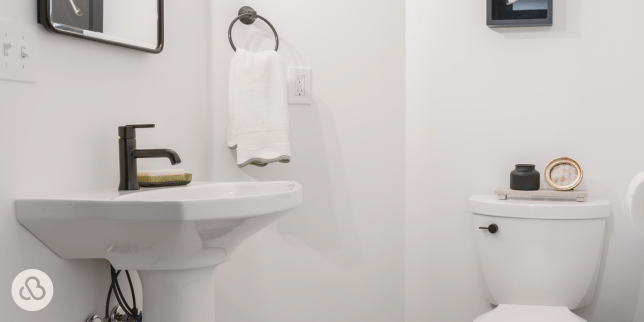
Toilets generally need 15 inches of clearance from walls and nearby fixtures. Sink-to-toilet and shower-to-toilet spacing also matters for comfort and accessibility.
Why it matters:
When fixtures are too close, the bathroom feels cramped, awkward to use, and can even fail inspection.
Recommended design tips:
- Verify all fixture clearances early in layout planning
- Ensure there’s enough room to enter and exit the shower easily
- Avoid squeezing in features that don’t truly fit
- Prioritize function over forcing extra elements into the space
4. Making the Bathroom Feel Smaller Than It Is
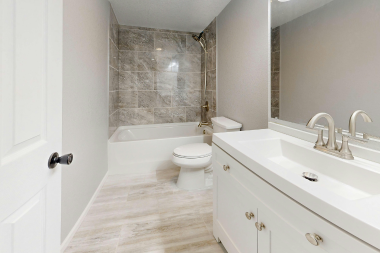
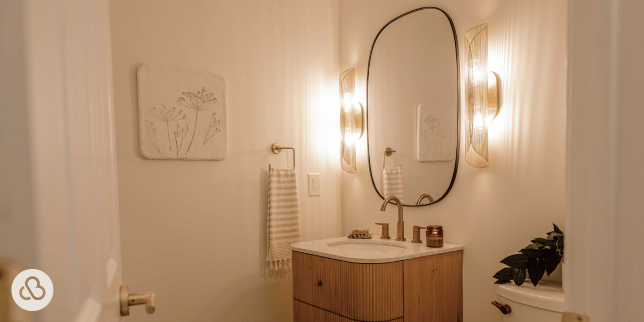
A bathroom can be technically the right size, but feel much smaller due to layout and design choices. Oversized vanities, bulky cabinetry, and too many visual focal points can overwhelm the room.
Why it matters:
A crowded design makes daily use stressful and visually cluttered.
Recommended design tips:
- Avoid oversized vanities that dominate the space
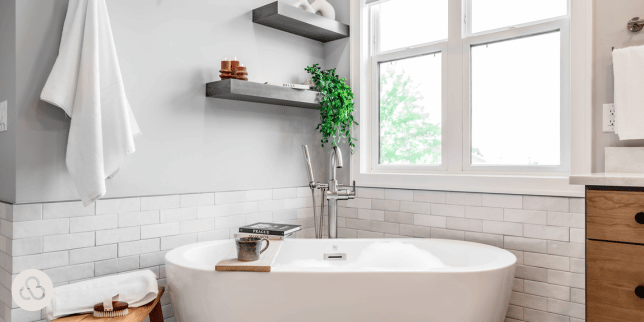
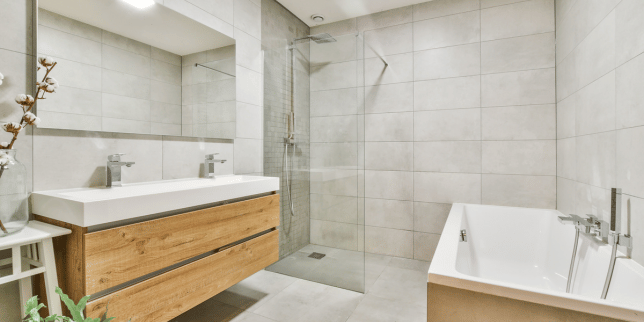
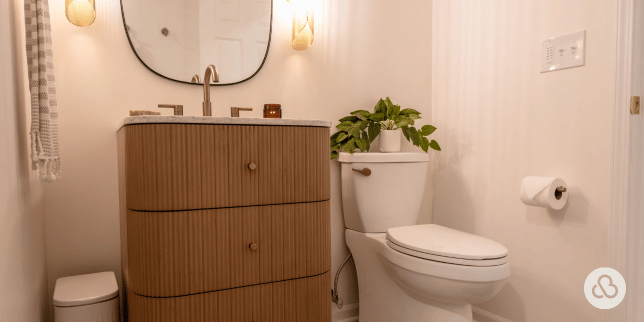
- Consider freestanding or floating vanities to open up sightlines
- Choose one main design “feature moment”
- Balance storage needs with visual openness
5. Treating Storage as an Afterthought
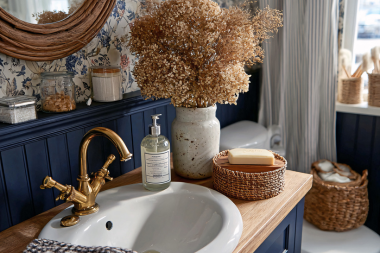
Style is important, but bathrooms are lived-in spaces that need to function.
Freestanding and floating vanities are popular, but they often come with reduced storage. Many homeowners prioritize the look and forget about where everyday items will go.
Why it matters:
Lack of storage leads to cluttered countertops and frustration over time.
Recommended design tips:
- Inventory what you actually need to store
- Balance aesthetic choices with practical storage
- Use a mix of drawers, cabinets, and niches
- Plan storage early, not after fixtures are selected
6. Overlooking Lighting in the Layout
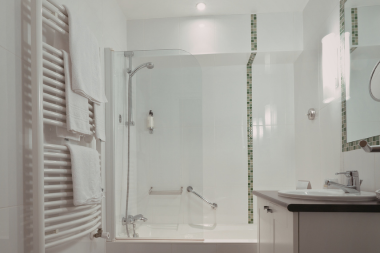
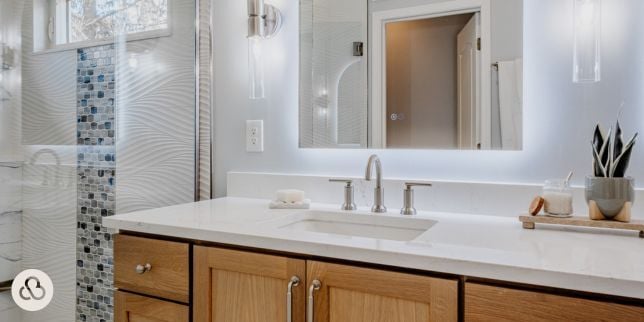
Lighting isn’t just decorative; it’s functional. Many bathrooms rely on a single sconce or overhead light, which creates shadows and limits visibility.
Why it matters:
Poor lighting affects daily routines like shaving, makeup, and grooming.
Recommended design tips:
- Use side lighting at mirrors to reduce shadows
- Include overhead lighting for general visibility
- Add lighting in showers and tubs where appropriate
- Combine functional lighting with character-driven fixtures
7. Failing to Plan for Proper Ventilation
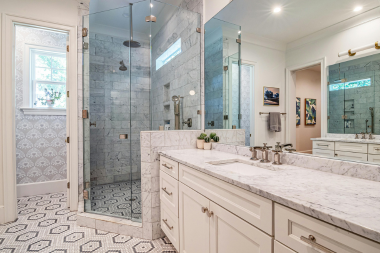
Bathrooms produce a lot of moisture. Older homes often vent moisture into the attic, which can lead to mold, rot, and peeling paint.
Why it matters:
Improper ventilation causes long-term damage that isn’t always visible right away.
Recommended design tips:
- Vent moisture directly to the exterior
- Use fans correctly and consistently
- Choose a fan sized for the bathroom’s square footage
- Address ventilation during layout planning, not after
8. Designing Shared Bathrooms Without Defined Zones
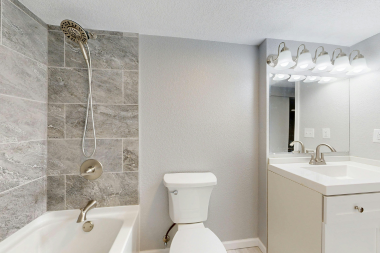
When more than one person uses a bathroom, layout decisions become even more important. Without clear zones, the space can feel crowded and harder to keep clean. These tips focus on improving privacy, flow, and usability in shared bathrooms.
Why it matters:
Without defined zones, bathrooms feel chaotic and less sanitary.
Recommended design tips:
- Consider a water closet for the toilet
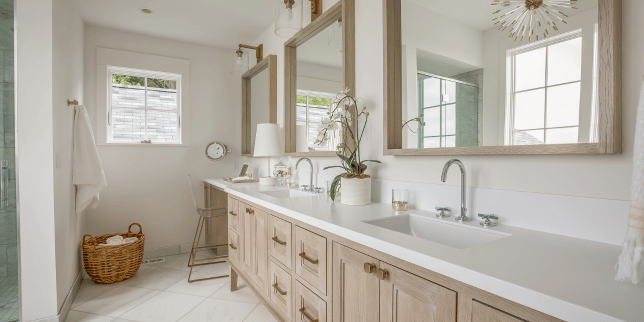
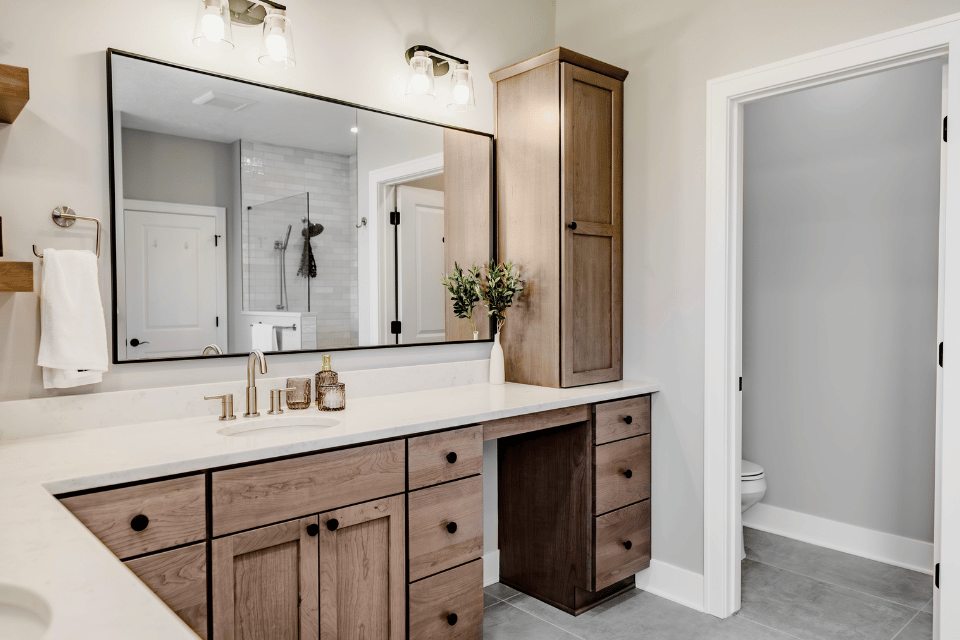
- Increase the walkway width for double vanities
- Separate wet and dry areas where possible
- Improve privacy and cleanliness through layout
9. Not Planning for Aging-in-Place or Long-Term Use
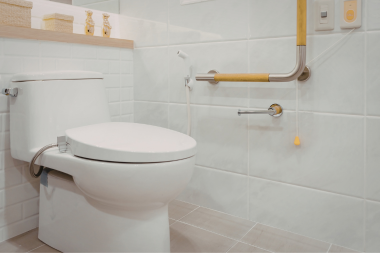
Bathrooms should evolve with you, not limit you over time. Planning ahead during the layout phase allows for flexibility without sacrificing style. The following considerations help future-proof the space.
Why it matters:
Planning ahead avoids costly changes later and improves safety.
Recommended design tips:
- Add wall blocking for future grab bars
- Use wider doorways (36 inches when possible)
- Consider curb height and shower access
- Include benches or half walls in showers
10. Skipping Professional Layout Planning
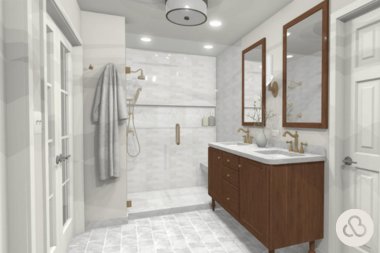
Pinterest and inspiration photos are helpful, but they don’t account for your home’s structure, codes, or daily needs.
Why it matters:
Professionals understand how to design within limitations while still delivering a space that feels intentional and personal.
Recommended design tips:
- Work with a designer who understands code and structure
- Lean on professional experience to avoid costly mistakes
- Customize the layout to your lifestyle, not a stock plan
- Trust experts to think through details you may not consider
Next Steps to Remodeling Your Bathroom
The way a bathroom is laid out determines how it feels every single day. When spacing, flow, and function are thoughtfully planned, the room feels easier to use, more comfortable, and far less likely to cause frustration down the road.
By understanding common layout mistakes, like poor spacing, awkward traffic flow, inadequate lighting, and overlooked ventilation, you’re better equipped to plan a bathroom that works as well as it looks.
At Custom Built Design & Remodeling, we help homeowners design bathrooms that work for real life, meet local codes, and address long-term needs.
If you’re planning a bathroom remodel, schedule a free consultation with our team to discuss layout options and make informed decisions before construction begins.

Now that you know more about bathroom layout mistakes to avoid, let’s explore the first step of your project with Custom Built, how much your bathroom will cost, and the factors that influence that final price:
- What is a Discovery Call with Custom Built? - This article details what your first call with Custom Built looks like as you start planning your remodel.
- How Much Does a Bathroom Remodel Cost in Lansing, Michigan? - Discover accurate price ranges for your potential bathroom remodeling project.
- 10 Factors That Affect the Cost of Bathroom Remodels - Learn more about the details that impact the cost of your bathroom remodel before you sign on the dotted line.