Dealing with insurance during a home remodel can quickly become frustrating, especially if you’re unsure what your policy actually covers. Many homeowners don’t think about their insurance until something goes wrong, and by then, they’re left trying to navigate a myriad of confusing details, all while figuring out how to rebuild.
As a Greater Lansing home remodeling company, we’ve worked alongside homeowners during insurance-related projects and understand how challenging these conversations can be. From reviewing scopes of work to helping clients advocate for the quality their homes deserve, we’ve seen how preparation and clear communication can make a significant difference in outcomes.
In this article, we’ll share practical tips to help you communicate effectively with your insurance company, so you can protect your investment, avoid costly gaps in coverage, and ensure your remodel is done right:
- Know Your Policy Before You Need It
- Clearly Explain the Scope of Your Remodeling Project
- Keep Documentation Organized and Accessible
- Update Your Insurance Company if the Project Changes
- Ask Questions and Advocate for Yourself
- Understand the “Three Bids” Conversation
- Watch Out for Storm Chasing Companies
- Review Your Coverage After the Remodel is Complete
1. Know Your Policy Before You Need It

The best time to understand your insurance coverage is before anything goes wrong, not after you’re filing a claim.
Many homeowners shop for insurance the same way they shop for internet service: looking for the lowest price. But when it comes to your home, cheaper coverage can come with major trade-offs.
What to focus on:
- Understand your total loss coverage:
- What is your home insured for?
- Do you have enough coverage on other structures like pole barns, pools, etc.?
- Does that number reflect your home's actual rebuild value (not what it can be sold for)?
- Ask whether your policy pays Actual Cash Value (ACV) or Replacement Cost (RC). ACV factors in depreciation, meaning you'll receive less based on the age and condition of damaged items. Replacement Cost coverage pays what it costs to replace those items with new equivalents, though many policies reimburse the replacement cost only after repairs or replacements are completed and documented.
- Compare small cost differences:
- A policy that costs a few dollars more per month could provide tens of thousands more in coverage.
- Build a relationship with your agent:
- If you don't know your agent, you may not fully understand your coverage.
- It is beneficial to have a baseline rapport established with your agent, which will make discussing insurance-related questions more streamlined.
- Ask yourself: What endorsement options are available to enhance coverage at your minimum premium?
Why It Matters:
When something happens, you can’t go back and adjust your policy. Having the right coverage from the start ensures you’re protected when it matters most.
2. Clearly Explain the Scope of Your Remodeling Project
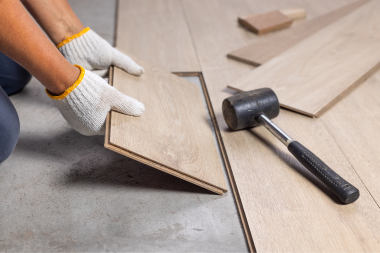
Your insurance company can only evaluate what you clearly communicate. That starts with understanding what you have, what was damaged, and what needs to be rebuilt.
What to communicate:
- Your home’s current value vs. insured value
- What was damaged or lost, including:
- Furniture
- Appliances
- Personal belongings (pool tables, electronics, etc.)
- What needs to be restored or rebuilt
Best practices:
- Get a written scope of work from your restoration company
- Stay involved in the process; don’t let demo and disposal happen without documentation
- Your adjuster is who you work through first, so build a relationship with them right away
- Work closely with your insurance agent to ensure they’re advocating for you
Why It Matters:
The more clearly you communicate the scope, the more accurate your payout will be. Gaps in communication often lead to missed items and underpaid claims.
3. Keep Documentation Organized and Accessible

Documentation is one of the most powerful tools you have when working with your insurance company.
What to document:
- Photos and videos of all damage before you touch anything (You can never have enough!)
- Lists of damaged or lost items
- Receipts (if available)
- Written scopes from restoration or remodeling professionals
How to stay organized:
- Keep everything in one place (digital folder or shared document)
- Update your records as the project progresses
- Take photos before, during, and after restoration
Why It Matters:
You have a contract that states you will mitigate against further loss as long as you can safely do so. Because of this, you need to keep receipts for reimbursement. Clear documentation shows your due diligence and strengthens your claim. It also helps prevent disputes and increases the likelihood of receiving a fair payout.
4. Update Your Insurance Company if the Project Changes

Home damage and repairs don’t always follow a straight path. Additional issues can surface as work begins, especially after storms or ongoing structural problems.
Common scenarios:
- New water damage after an initial repair
- Gutters, fascia, or drainage issues are causing repeated problems
- Additional interior damage was discovered during demolition
What to do:
- Document new damage immediately with photos and notes
- Communicate changes clearly to your adjuster
- Update the scope of work to reflect additional repairs
Why It Matters:
If you don’t report changes as they happen, you risk paying out of pocket for damage that could have been covered.
5. Ask Questions and Advocate for Yourself

Insurance claims are often a negotiation, not a one-time decision. It’s important to stay engaged and ask the right questions.
Key questions to ask:
- Does this payout reflect the full scope of work needed?
- Are material allowances realistic (e.g., countertops, finishes)?
- What assumptions were made in this estimate?
Important mindset shifts:
- Don’t accept the first number automatically
- Understand that some insurance companies aim to minimize payouts
- Focus on quality, not just cost
Why It Matters:
If you want your home restored properly, not just patched together, you need to advocate for a solution that reflects the true cost of quality work (which starts with having correct coverage on the policy first).
6. Understand the “Three Bids” Conversation

Sometimes insurance companies will tell you to get three bids for your remodel or repairs. While this may sound straightforward, it’s often misunderstood and can create unnecessary stress for homeowners.
What You Should Know:
- Insurance companies typically compare bids to determine a payout, often focusing on averages or the lowest number.
- Not all bids are equal; they may differ in scope, materials, or quality.
- A lower bid might exclude important details, such as:
- Higher-quality materials or finishes
- Design-build services and attention to detail
- Long-term durability and structural considerations
What You Can Do:
- Choose a contractor you trust and feel confident will do the job right.
- Communicate with your insurance adjuster about why that contractor is the best choice for your home.
- Highlight differences between bids, including materials, workmanship, and project scope, so your adjuster understands why your preferred contractor may be higher than the lowest bid.
Why It Matters:
Following the “three bids” instruction blindly can result in underpaid claims or work that doesn’t meet your standards. Choosing the right contractor ensures your home is restored properly, not just cheaply.
7. Watch Out for Storm Chasing Companies

After severe weather, it's common for out-of-town contractors, often called storm chasers, to go door-to-door offering free inspections and encouraging homeowners to file an insurance claim immediately. While some may be legitimate, others rely on high-pressure sales tactics that can complicate the claims process or lead to repairs that aren't in your best interest.
What You Should Know:
- Storm chasers often appear immediately after major weather events and leave the area once demand slows.
- Some may pressure you to sign contracts or agreements before you've spoken with your insurance company.
- No contractor can guarantee your insurance claim will be approved or promise a specific settlement amount.
- Filing an unnecessary claim can still appear on your insurance history, even if little or no damage is ultimately covered.
What You Can Do:
- Contact your insurance company first if you suspect storm damage.
- Ask your adjuster what documentation they need before committing to any repairs.
- Work with a reputable local contractor who can provide an honest assessment of the damage and communicate clearly with your insurance company.
- Never feel pressured to sign paperwork or authorize repairs before you fully understand your coverage and options.
Why It Matters:
A rushed insurance claim or a contractor chosen under pressure can create unnecessary headaches, from claim disputes to incomplete or low-quality repairs. Taking the time to verify the damage, understand your coverage, and choose a trusted local remodeling professional helps ensure that your claim and your home are handled properly from the start.
8. Review Your Coverage After the Remodel Is Complete

Once your remodel is finished, your home is likely worth more than it was before. Your insurance coverage should reflect that.
Set up a review with your agent to go over:
- Updated home value after renovations
- Total dwelling coverage limits
- Replacement costs for upgraded materials and features
Why It Matters:
If your coverage doesn’t match your home’s new rebuild value, you risk being underinsured in the event of future damage.
The Biggest Takeaway
The most important decision you can make isn’t just how you communicate with your insurance company; it’s who you trust to insure your home in the first place.
- Choose an insurance provider you trust
- Build a relationship with your agent
- Understand your policy before you need it
When things go wrong, you don’t want it to feel like a battle. You want someone in your corner helping you navigate the process.
Next Steps to Remodeling Your Home
Communicating with your insurance company during a remodel can be challenging, especially if you’re unsure about your coverage or the true scope of your project.
By understanding your policy, documenting everything clearly, and confidently advocating for your needs, you can improve your chances of receiving a fair and accurate payout.
At Custom Built Design & Remodeling, we help homeowners navigate the remodeling process with clarity, ensuring their home is restored with the quality and care it deserves.
Review your policy, connect with your insurance agent, and let our team at Custom Built guide you through the process. Schedule a consultation today to ensure your remodel is protected and your investment is handled with care.

Now that you know more about how to communicate with your insurance company about a home remodel, let’s explore three pricing models to consider while comparing quotes, how long it should take to get a quote back from your contractor, and our design-build remodeling services:
- Navigating Remodeling Quotes: A Deep Dive into Three Pricing Models - Explore the pros and cons of three common remodeling pricing models to make informed decisions for your project.
- How Long Should It Take to Get a Quote Back From Your Contractor? - Learn what a reasonable timeline looks like when waiting for a detailed contractor quote and what factors can affect it.
- Custom Built’s Remodeling Services - Discover all of Custom Built Design & Remodeling’s services, from kitchens and bathrooms to additions, decks, and whole-home remodeling, designed to help you plan your next project with confidence.
Topics: