

When winter settles in across Michigan, many families start to notice their homes feeling a little darker and colder than they’d like. Shorter days, gray skies, and more time indoors can make your living spaces feel flat or uninspired. It’s normal to want a home that feels warm, grounded, and welcoming, especially during a season when comfort matters most.
At Custom Built, we guide homeowners through design decisions every day, including choosing colors that support the way families live through our long Midwest winters. We understand how the right palette can lift your mood, brighten your home, and make your spaces feel more connected. Whether you're refreshing a room or planning a full remodel, color plays a bigger role than most people realize.
In this guide, we’ll walk you through the seven top winter color palettes that bring warmth, balance, and an inviting feel to your home. You’ll learn why these colors work, how they interact with natural light, and how to choose the palette that fits your lifestyle, so your home feels like a place your family truly wants to gather all season long:
- Earthy Neutrals
- Rich Greens
- Warm Terracottas and Rusts
- Deep Burgundy and Wine Hues
- Soft Browns and Caramels
- Burnt Orange Accents
- Metallic Warmth: Copper, Brass, and Bronze
1. Earthy Neutrals
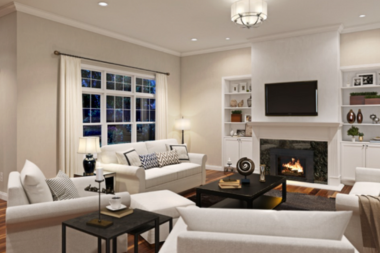
PC: Sherwin-Williams
Earthy neutrals, like beiges, tans, and soft whites, are some of the most flexible and family-friendly options for winter. They brighten up your space without feeling stark, and they make it easy to layer in seasonal colors. One week, you can bring in greens and reds for a holiday feel, and the next, you can switch to blues or browns for a calmer look.
A favorite neutral is Sherwin-Williams Shoji White. It brings in multiple tones depending on the light (sometimes a warm off-white, sometimes a soft yellow undertone). Because these shades shift throughout the day, we always tell homeowners to test large paper samples on their walls.
Look at them in natural daylight and under overhead lighting to see how they behave in your home. That simple step helps set the right mood from the start.
2. Rich Greens
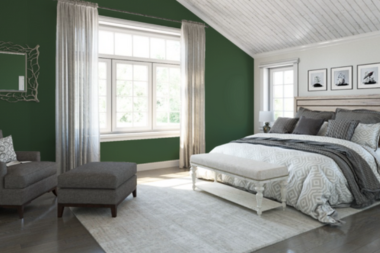
PC: Sherwin-Williams
During a Michigan winter, we go months without seeing green outside. That’s why rich, deep greens can make such an impact inside your home. They provide a natural, biophilic feel, bringing the calming effect of trees, plants, and outdoor life into your everyday environment.
A strong option is Sherwin-Williams Evergreens. It’s rich and grounded, not too bright, and creates a peaceful, relaxing atmosphere. These greens are especially helpful for homeowners who struggle with the winter blues or seasonal affective disorder (SAD). They make your space feel connected to nature, even when everything outside is covered in snow.
3. Warm Terracottas and Rusts
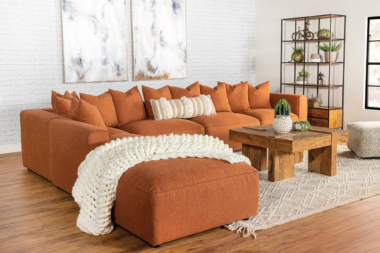
Terracotta and rust tones bring soft oranges and reds into your space; colors that instantly add warmth during the colder months. These shades work beautifully in both Craftsman-style homes, often found in Michigan, and more modern spaces with brick or warm wood tones.
Because terracotta is so versatile, you can easily bring in greens to complement it, creating a balanced and cozy look. Whether used in pottery, textiles, or accent walls, these earth-driven hues give your home a warm, lived-in feel.
4. Deep Burgundy and Wine Hues

PC: Decoist
If you want something bold, burgundy and wine tones deliver a dramatic winter look. Most homeowners use these colors as accents, such as pillows, tablecloths, throws, artwork, or seasonal décor. But if you’re brave enough to put it on the walls, we won’t say no. It’s your home, your story, and your style.
Because these shades pair so naturally with holiday décor, they add richness to your home during winter gatherings and special occasions. They’re a great choice if you love hosting or want a touch of elegance without overwhelming your space.
5. Soft Browns and Caramels
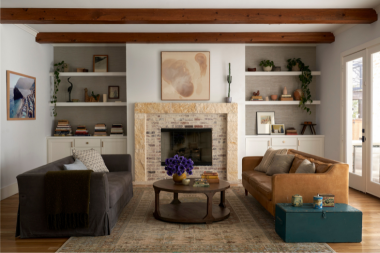
Soft browns and caramels are warm, grounding colors that never go out of style. You can bring them in through textiles, artwork, and even cabinetry if you’re ready for a more permanent update. Wood accents, like bowls, serveware, or decorative pieces, help carry this palette through your space without feeling heavy.
These tones are also perfect for homeowners who prefer subtle color changes throughout the year. Browns tie in beautifully with reds, oranges, and greens, making them one of the most dependable winter palettes for Michigan homes.
6. Burnt Orange Accents
PC: ELLE Decor
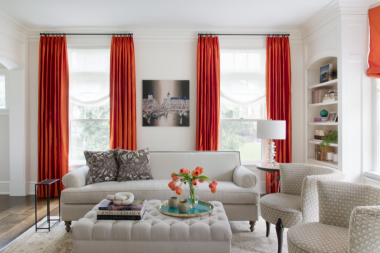
Burnt orange sits right between fall and winter, which makes it a natural transition color during the holiday season. It works well with cranberries, deep reds, plaids, and even cinnamon-based scents like potpourri. It’s cozy, nostalgic, and gives your home a warm glow.
Use burnt orange in throw pillows, candles, vases, or artwork. It pairs nicely with terracotta and makes your space feel inviting without overwhelming it.
7. Metallic Warmth: Copper, Brass, and Bronze
PC: Rejuvenation
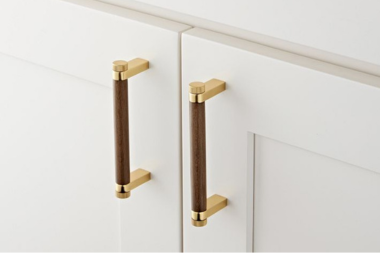
Warm metallics are one of the easiest ways to elevate your home for winter. Copper, brass, and bronze add shine without feeling cold. They work well for both everyday use and special gatherings.
You can incorporate metallics in:
- Napkin rings and serveware
- Drawer pulls or towel rings
- Decorative pieces like vases, trays, or mantel décor
- Holiday items like reindeer statues or special-occasion china
- Textiles with subtle metallic threads for a soft shimmer
These accents are universal and don’t have to be swapped out once the holidays end. They create a warm, polished look all winter long.
Choosing the Right Palette for Your Home
Every home is unique, especially during winter when lighting changes dramatically from room to room. That’s why we always recommend testing colors in your actual space before committing.
1. Start With How You Want the Space to Feel
Before choosing any color, think about the mood you want the room to create for your family.
Do you want calm and quiet mornings, a warm gathering space for guests, or a bold, energized kitchen?
Cool neutrals create a soothing atmosphere, warm tones make a space feel inviting, and stronger colors bring personality and energy. Let the feeling lead the color choice, not the other way around.
2. Identify the “Anchor” Materials First
Large, permanent materials like cabinets, flooring, countertops, or built-ins set the tone for the entire palette.
Because these elements are harder and more expensive to change, choose them first. Your wall colors, trim, and accents should support these core materials. Matching your palette to your anchors keeps the space consistent and grounded.
3. Pull From Existing Elements You Love
If there’s a tile pattern, piece of furniture, or even a piece of artwork that already inspires you, use it as a starting point.
These pieces often hold the colors you naturally gravitate toward. By building from something meaningful, your palette will feel intentional and personal.
4. Stick to a 3-5 Color Framework
Too many colors can make a home feel busy and disconnected. Instead, choose a simple structure:
- Primary color for dominant surfaces
- Secondary color for cabinets or built-ins
- Accent colors for details, décor, or feature moments
This framework keeps your home cohesive and makes design decisions easier.
5. Consider Lighting: Natural and Artificial
Lighting dramatically affects how a color appears. A paint that looks warm in the store can turn cool under LED lights or in a room with limited daylight.
Place your samples in different corners, view them in morning and afternoon light, and look at them again in the evening. This ensures the colors stay consistent throughout the day.
6. Use Online Tools and 3D Renderings
Digital tools, like color-matching apps or 3D design renderings, help you see how colors and materials work together in a realistic setting.
This is especially helpful when you’re planning full remodels where multiple materials need to coordinate.
At Custom Built, we use renderings throughout our design process because they help homeowners visualize decisions and feel confident before anything is installed.
7. Stay Consistent With the Rest of Your Home
Your rooms don’t need to match perfectly, but they should complement each other. Think about the sightlines: what rooms can you see from where?
Using palettes that flow together creates a sense of harmony and makes your home feel more intentional as a whole.
8. Start Neutral, Add Personality Later
If you’re unsure about bold colors, stick with timeless neutrals for the large, permanent features.
You can bring in personality through accent walls, tile details, hardware, furniture, or décor. This gives you flexibility to update your look later without redoing major parts of your home.
9. Test Large Sample Boards
Small paint swatches can be misleading because they don’t show how the color behaves on a full wall. Paint a large sample board or grab oversized samples that let you see the tone in a real-life setting.
This helps you avoid surprises once the paint goes up or the new cabinetry arrives.
10. Think Long-Term, Not Trends
Trendy colors can be fun but may date your home quickly, especially on cabinets, tile, or flooring.
Choose colors that you’ll feel good about in 10-15 years. You can still follow trends through accessories or smaller features that are easy to change.
Next Steps to Updating Your Home’s Interior Color Palette
Winter colors set the tone for warmth, comfort, and connection in your home. Earthy neutrals, rich greens, terracottas, and metallic accents can transform your space into a cozy, inviting retreat.
At Custom Built, we guide homeowners in creating spaces that balance style, function, and family living.
Explore our project galleries or schedule a consultation to bring your ideal winter-inspired home to life.

Now that you know more about the top winter color palettes for your home’s interior, let’s explore DIY holiday remodeling projects, ways to get your kitchen ready for the season, and how to create the perfect guest suite for visiting relatives and friends:
- Deck the Halls: 9 DIY Holiday Remodeling Projects to Prepare for the Season - Ready to make your home holiday-ready? Check out these 9 DIY remodeling projects that add festive cheer and function to your space.
- 8 Holiday Kitchen Remodel Ideas: Get Your Space Ready for Festive Gatherings - Transform your kitchen for the holidays! Discover eight remodeling ideas to make cooking, entertaining, and celebrating easier and more festive.
- Creating the Perfect Guest Suite for Holiday Visitors - Make every guest feel at home this holiday season. Learn how to design a comfortable, stylish guest suite that’s ready for family and friends.
Topics: