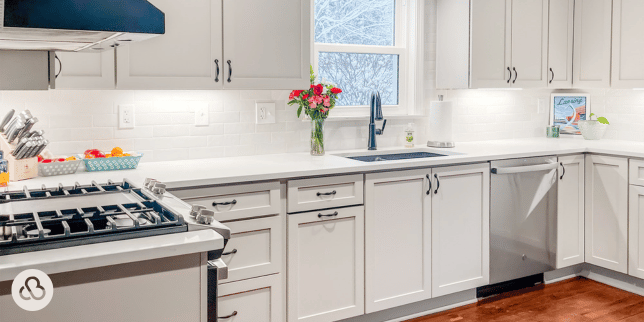

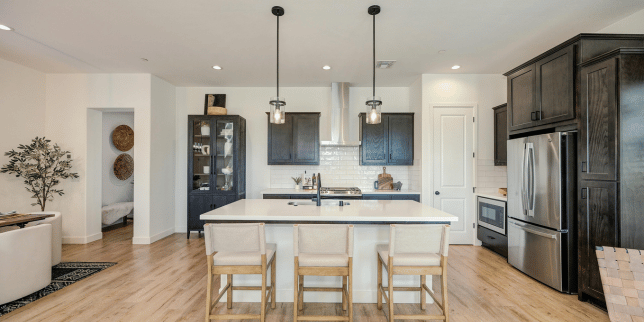
Planning your kitchen remodel can feel overwhelming, especially when deciding where to place every feature. From appliances to islands, sinks to lighting, the choices you make now will shape how you live in your kitchen for years to come.
At Custom Built Design & Remodeling, we guide homeowners in the Greater Lansing and Northern Michigan areas through every step of the remodel process. With decades of experience designing functional, beautiful kitchens, we help families make decisions that balance style, efficiency, and long-term usability.
In this article, we’ll discuss the eight key considerations for thoughtfully placing kitchen features, so your space works as well as it looks, feels intuitive, and supports how your family actually lives:
- Build Around the Work Zones
- Think Through Appliance Placement First
- Balance Storage With Walkways and Clearances
- Use the Island With Purpose
- Place Plumbing Fixtures Intentionally
- Align Lighting With How the Kitchen Is Used
- Consider Sightlines and Visual Balance
- Plan for Long-Term Use and Flexibility
1. Build Around the Work Zones
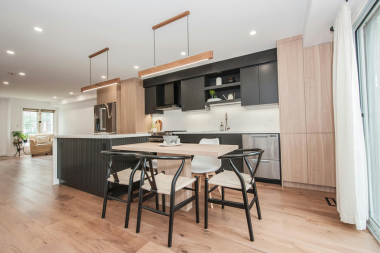
A well-designed kitchen doesn’t just look good; it supports how you move through everyday tasks. When features are placed without considering workflow, simple activities like cooking dinner can feel inefficient and crowded. That’s why experienced designers start by understanding how the kitchen functions as a system, not a collection of parts.
By organizing the layout around natural work zones, the kitchen becomes easier to use, easier to share, and far more intuitive day to day.
Core kitchen work zones typically include:
- Prep zone
- Cooking zone
- Cleaning zone
- Storage zone
2. Think Through Appliance Placement First
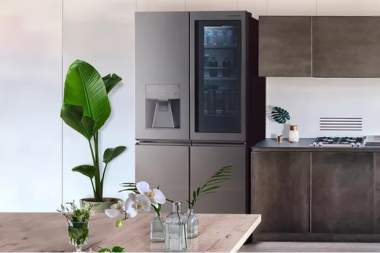
PC: LG Electronics
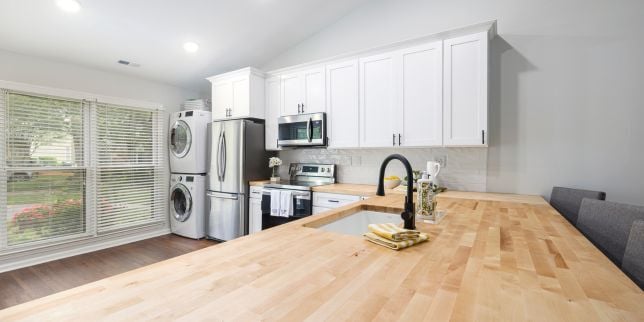
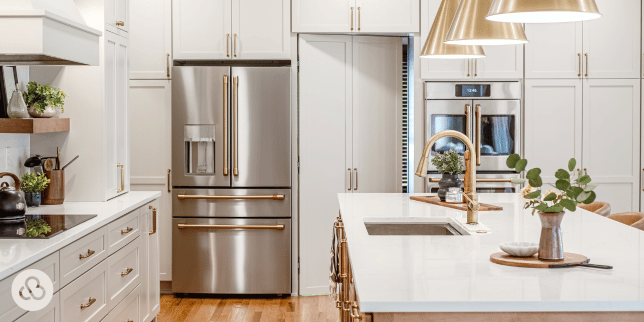
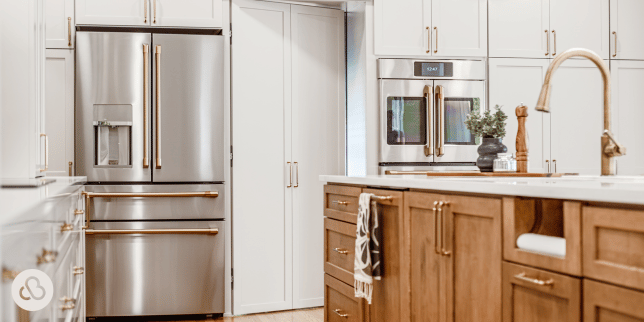
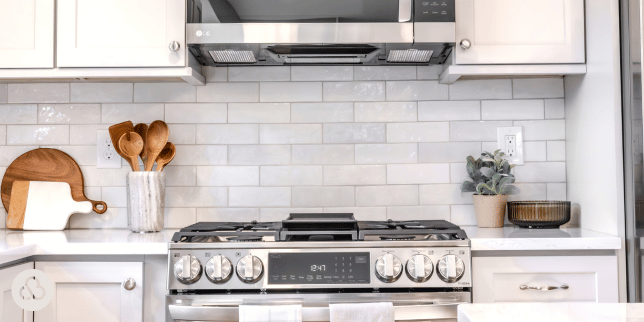
Appliances are some of the largest and least flexible elements in a kitchen. Once they’re placed, the rest of the design must work around them, which is why appliance locations should be decided early in the planning process.
Poor placement can lead to blocked walkways, awkward door swings, or appliances that disrupt the flow. Taking time to map this out early helps prevent costly changes later.
When planning appliance placement, consider:
- Door swing and clearance requirements
- Landing space for safety and convenience
- How appliances affect traffic flow
3. Balance Storage With Walkways and Clearances
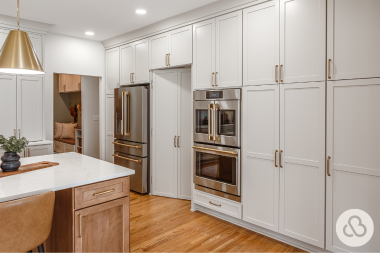
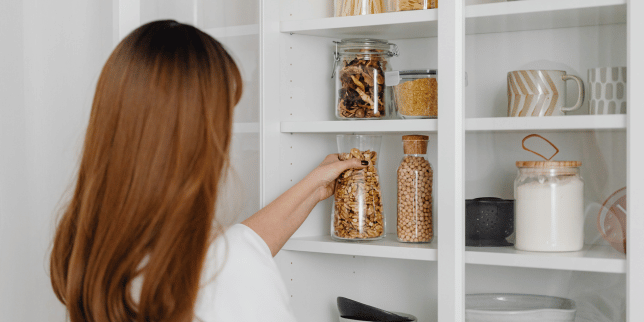
It’s natural to want as much storage as possible, especially in a kitchen remodel. But when storage is prioritized without considering spacing, the kitchen can quickly feel tight and uncomfortable. Cabinets, drawers, and islands all need room to function properly.
A thoughtful layout balances storage needs with the space required to move comfortably through the kitchen.
Key spacing considerations include:
- Recommended walkway widths (more than 36 inches)
- Clearance for cabinets and drawers
- Island size relative to room scale
4. Use the Island With Purpose
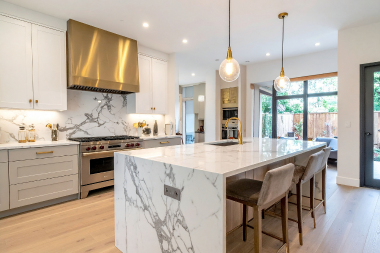
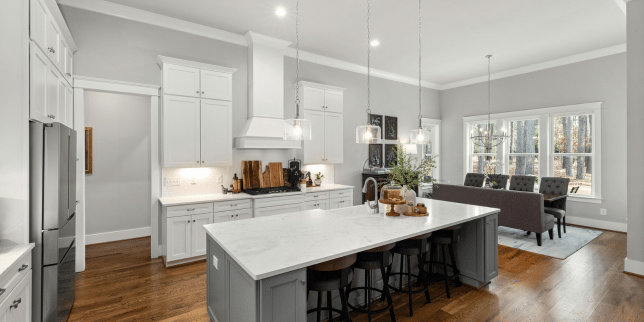
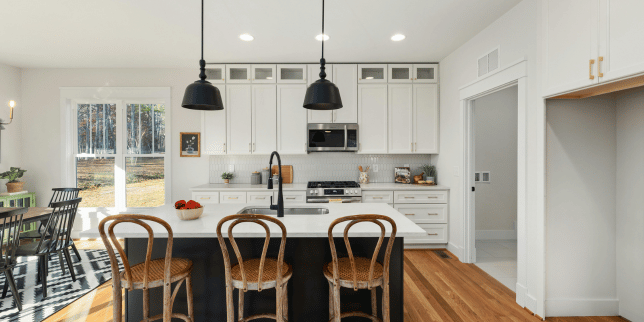
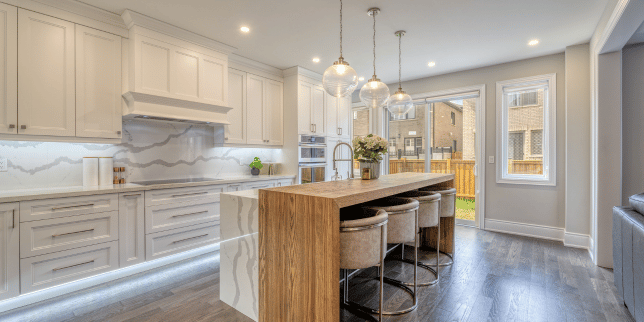
Kitchen islands are among the most popular features, but they’re also among the easiest to misdesign. Without a clear purpose, an island can become oversized, underused, or disruptive to the layout.
Before deciding what goes into the island, it’s important to define its role in daily life and how it supports the rest of the space.
Common island functions include:
- Food prep
- Seating and gathering
- Additional storage
- Housing appliances or fixtures
5. Place Plumbing Fixtures Intentionally
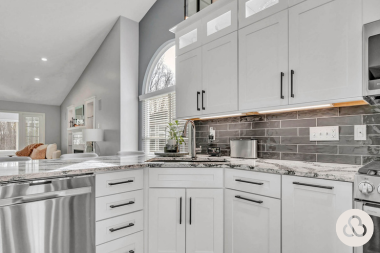
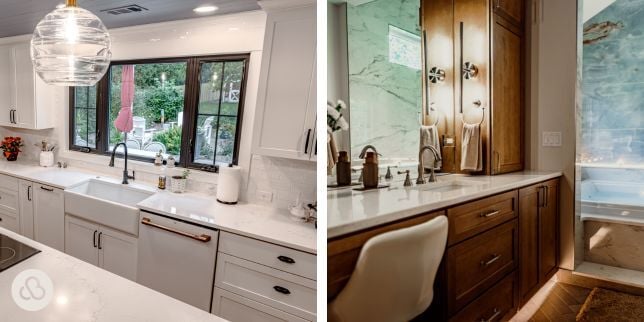
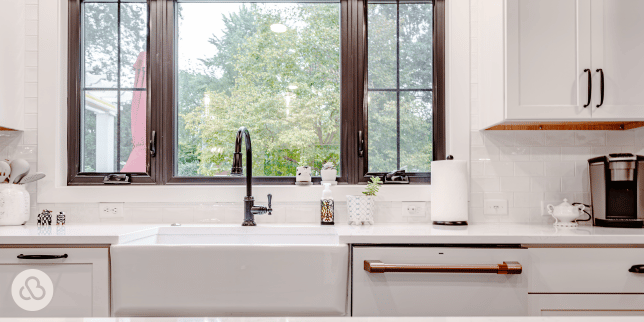
Sinks, faucets, and dishwashers play a central role in how a kitchen functions. When these features are placed without intention, homeowners often end up with cramped work areas or overlapping tasks, especially in busy households.
Strategic placement helps ensure that cleaning, prep, and cooking can happen comfortably and efficiently.
Plumbing placement considerations include:
- Distance between sink, stove, and refrigerator
- Space for multiple users
- Alignment with cabinetry and appliances
6. Align Lighting With How the Kitchen Is Used
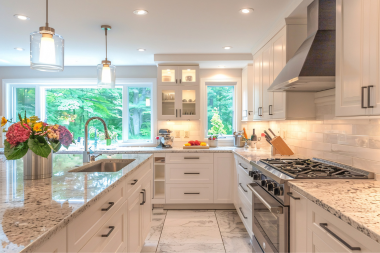
Lighting should support function first, then style. Too often, lighting is selected solely on appearance, leaving work areas underlit or creating harsh shadows. A well-planned lighting layout enhances both usability and comfort.
By placing lighting where tasks actually happen, the kitchen becomes safer, more inviting, and easier to use at all hours of the day.
Effective kitchen lighting plans typically include:
- Task lighting for prep and cooking
- Layered lighting for balance
- Fixtures aligned with work zones
7. Consider Sightlines and Visual Balance
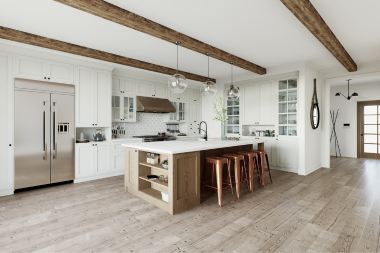
Where features are placed has a major impact on how the kitchen feels visually. Tall cabinets, appliances, or walls placed in the wrong spots can block views, lower perceived ceiling height, or make the space feel closed off.
Thinking about sightlines and balance early helps create an area that feels open, intentional, and cohesive.
Visual balance considerations include:
- Grouping tall elements thoughtfully
- Preserving open sightlines
- Creating focal points without clutter
8. Plan for Long-Term Use and Flexibility

A kitchen remodel is a long-term investment, and feature placement should reflect how the space will be used, not just today, but years from now. Planning only for current habits can lead to limitations as needs change.
Designing with flexibility in mind helps ensure your focal point continues to serve the household well over time.
Long-term planning considerations include:
- Aging-in-place features, like lowered cabinets and countertops
- Adaptable storage solutions
- Future resale appeal
Next Steps to Remodeling Your Kitchen
Thoughtful placement of appliances, fixtures, and work zones can transform your kitchen from just a space to a highly functional, enjoyable hub of your home.
By considering workflow, clearances, lighting, and long-term needs, you can avoid common layout mistakes and create a kitchen that truly fits your lifestyle.
At Custom Built Design & Remodeling, we combine experience, creativity, and practical solutions to guide homeowners through every step of a kitchen remodel.
Ready to plan your kitchen with confidence? Book a free consultation today and let us help you design a space that works beautifully for your family.

Now that you know more about how to decide where to put features in your kitchen remodeling project, let’s explore what living without a kitchen is really like during a project, the layout mistakes to avoid, and Custom Built's luxury kitchen remodeling services:
- What Living Without a Kitchen Is Really Like During a Remodeling Project - Learn what to expect when living without a kitchen during a remodel and how to prepare for the temporary adjustments.
- 9 Common Kitchen Layout Mistakes Homeowners Regret Later - Discover common kitchen layout mistakes and how thoughtful planning can help you create a more functional, enjoyable space.
- Custom Built Luxury Kitchen Remodeling Services - Explore Custom Built’s luxury kitchen remodeling services, designed to create beautiful, functional spaces tailored to your lifestyle.
Topics: